Hamilton, Ohio is pushing deeper into one of its most ambitious neighborhood rebuilding efforts in decades, launching a second round of underground utility work designed to make room for new homes in parts of the city that have been hollowing out for generations.
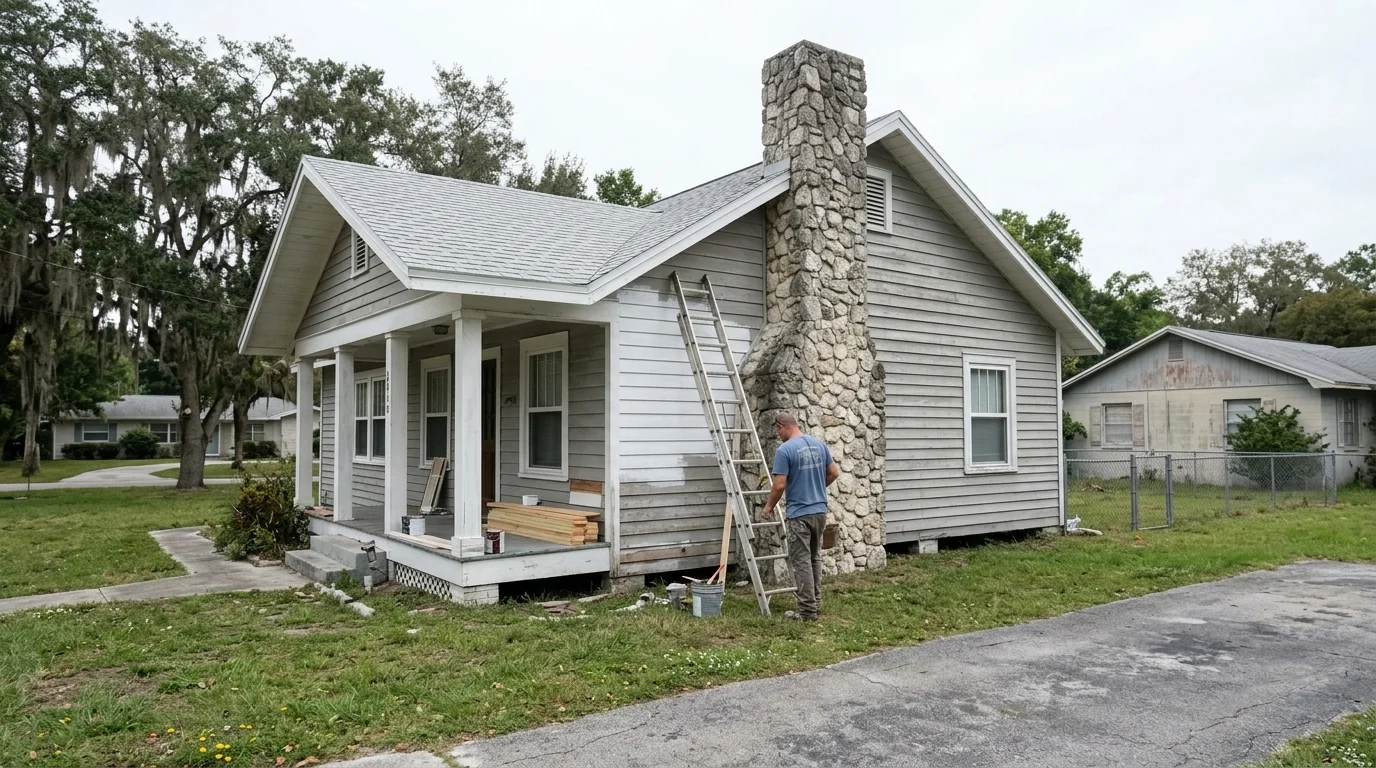
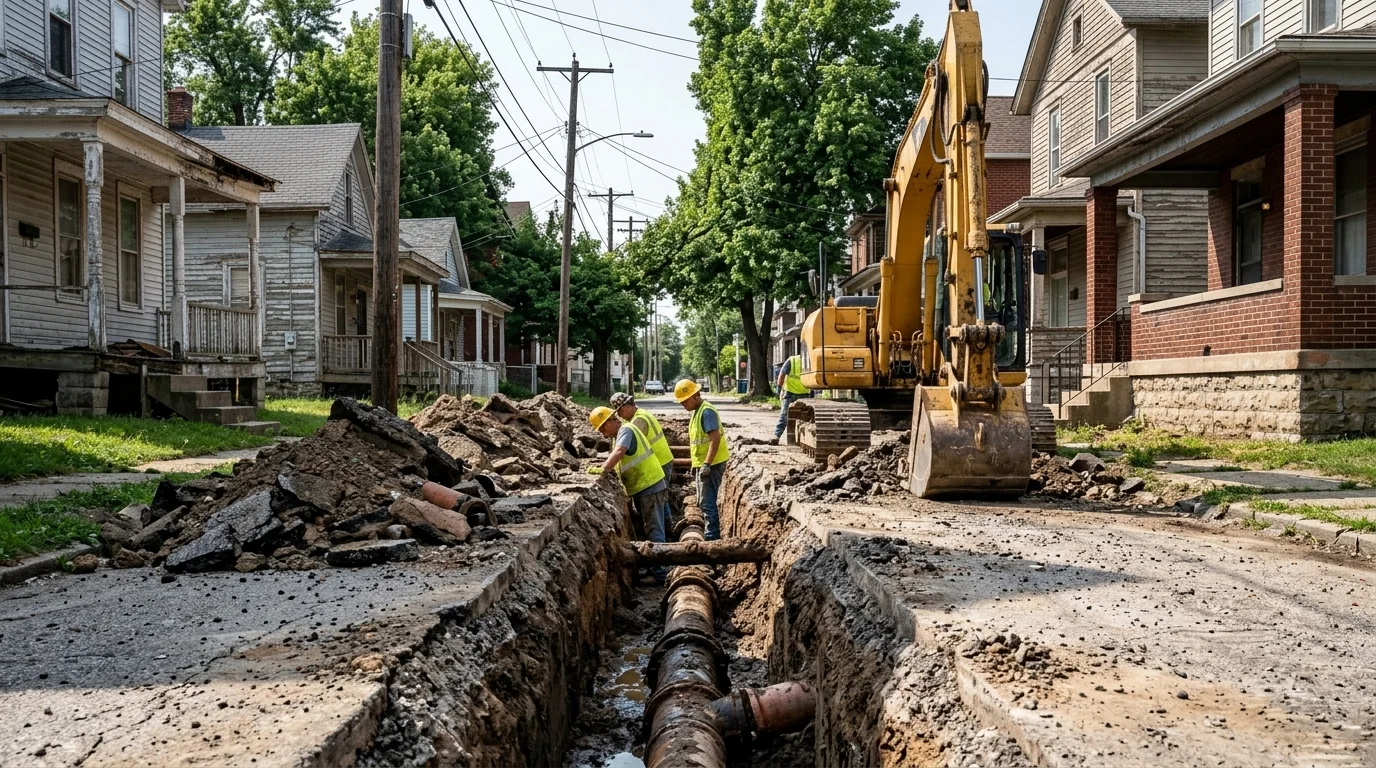
The city's Build Back the Block program pairs the removal of blighted housing with new water and sewer service lines, then hands the cleared, utility-ready land to builders for infill construction. Phase II of that work is now underway, with the city soliciting contractors to install the service connections that link individual properties to city mains, the basic plumbing that any new home requires before a single wall goes up.
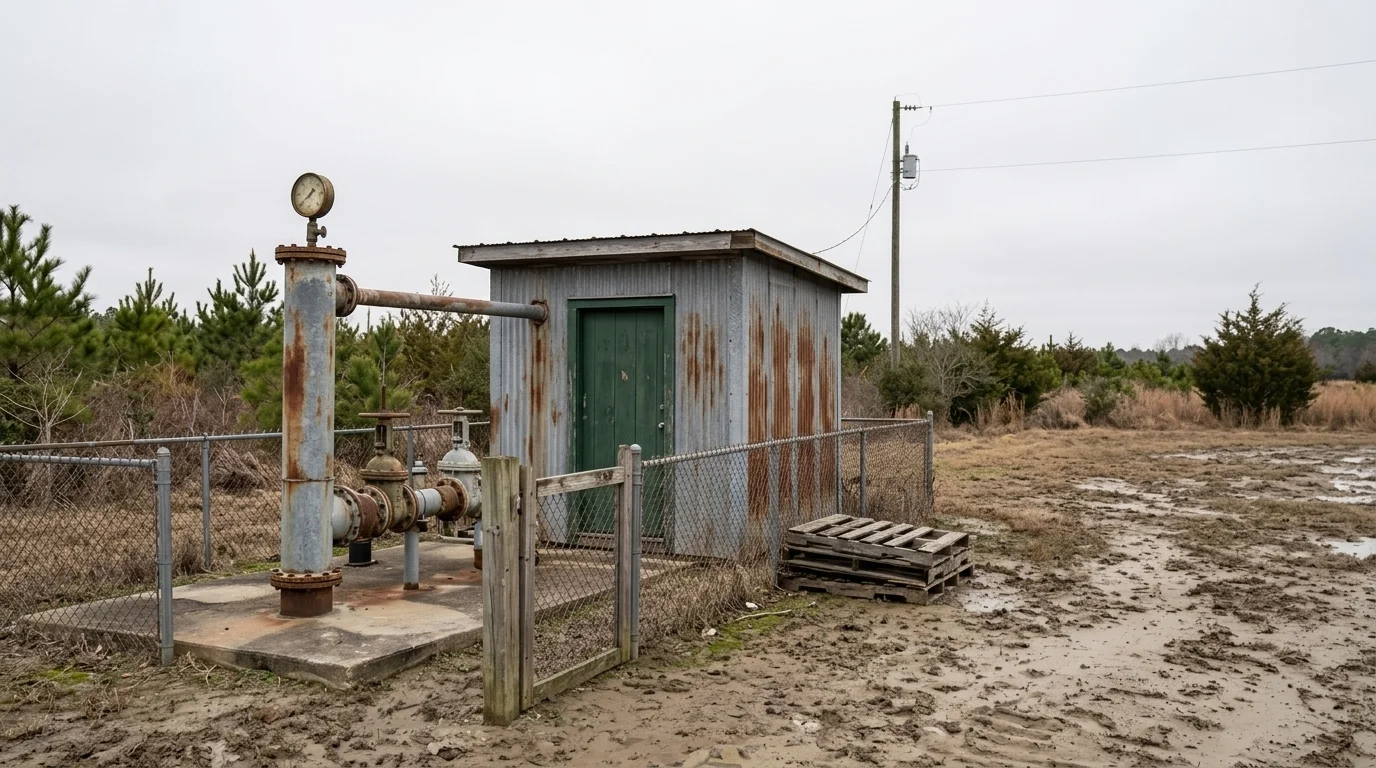
The need runs deep, literally. Hamilton's older neighborhoods sit atop sewer and water infrastructure that in many cases dates to the late 1800s and early 1900s, when the city was a booming factory town of more than 50,000 people. The original clay tile and unlined cast iron pipes are well past their design life, and decades of population loss left the city without the tax base to replace them. The collapse of major employers like Champion Paper, Mosler Safe and Fisher Body starting in the 1980s gutted Hamilton's finances and left behind vacant lots and deteriorating homes throughout the urban core.
Hamilton, the Butler County seat about 25 miles north of Cincinnati, operates its own municipal water and wastewater utilities, giving it direct control over this kind of work but also full responsibility for the bill. The city has leaned on federal dollars to make it happen. The 2021 Bipartisan Infrastructure Law directed $55 billion toward water infrastructure nationally, with Ohio receiving hundreds of millions through EPA revolving loan funds. Hamilton has combined that federal money with American Rescue Plan funds and local bonds to fund Build Back the Block.
The program is part of a broader civic bet on growth. The Spooky Nook Sports complex, which opened inside the former Champion Paper mill in 2022, and new downtown apartment projects signal that city leaders believe Hamilton can attract new residents, but only if the infrastructure beneath the streets can support them.
Phase I of the sanitary and water installation work is already underway or complete. Phase II extends that foundation further into neighborhoods like the German Village and North End areas. Contractor selection will follow the current solicitation process.