Five Missouri institutions issued their first transit-related procurement request in more than a year during the 30 days ending September 20, 2026, and the timing is not a sign of health. It is a workaround.
The burst of contracting activity follows Governor Mike Kehoe's FY2027 budget, signed in July 2026, which reduced Missouri's Transit Operating Investment to a combined $4.2 million: $1.7 million from the State Transportation Fund and $2.5 million from Capitol Commission funds. That is a 64% drop from the $11.7 million available when Kehoe took office. As KCUR reported in March, advocates warned the reductions would make Missouri cities less competitive and more expensive to operate in, and agencies are now confirming that through their procurement calendars.
The state appropriation was not simply a subsidy. It was the match layer that unlocks federal transit dollars. FTA Formula Grants, Section 5307 for urbanized areas, Section 5311 for rural operators, require a local or state funding match to activate. When the state match evaporates, the federal money does not automatically fill the gap. Cities that have their own revenue base can substitute local funds as match and keep drawing down federal grants directly. Rural agencies that depended on the state supplement cannot.
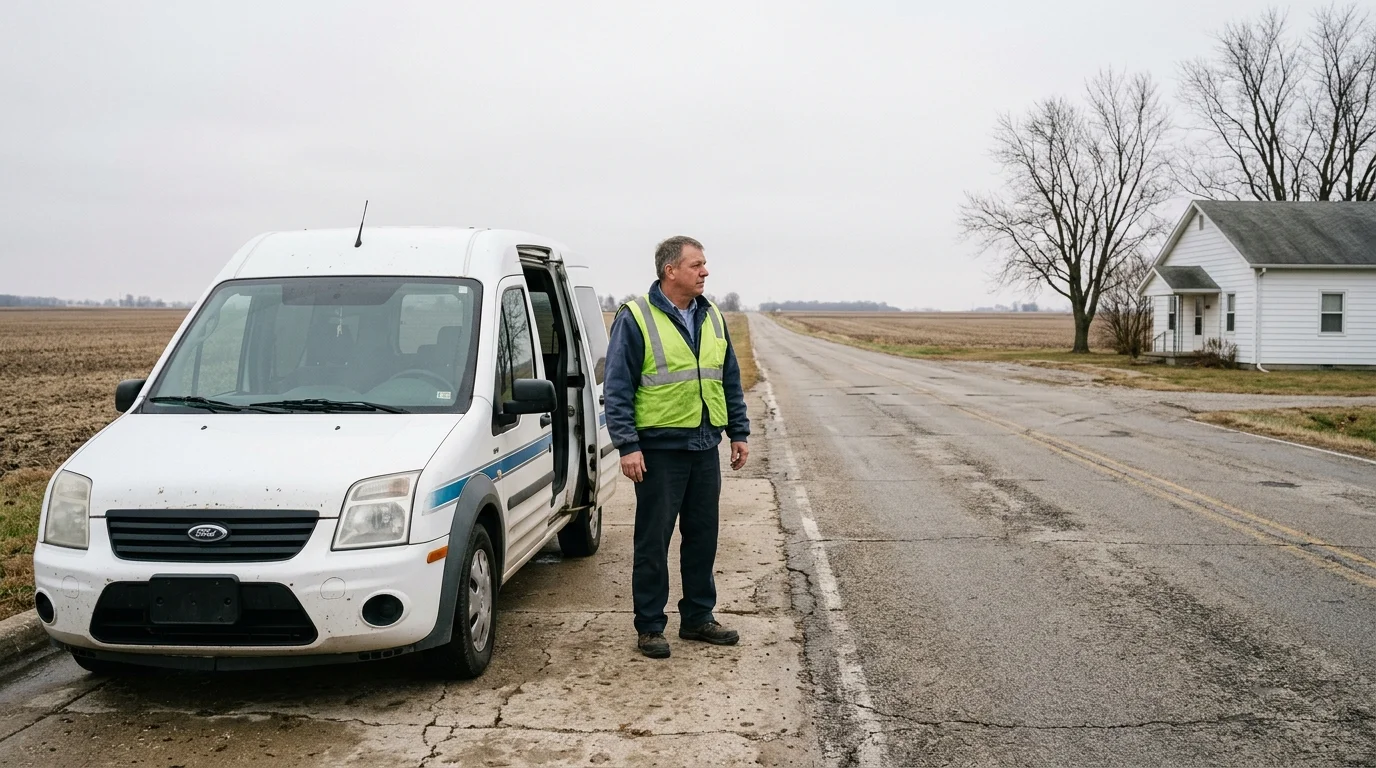
Columbia is the clearest illustration of the urban pivot. Go COMO Transit issued an advertising services RFP on August 30, its first transit procurement in over a year, within weeks of receiving a $3.2 million FTA Section 5307 Formula Grant awarded directly to the city on August 7, 2026. St. Joseph's Transit Division followed on September 2 with a health insurance procurement backed by a $2.1 million FTA Section 5307 grant it received in December 2025. The Missouri Office of Administration issued a separate fleet procurement RFP the same day for passenger vans and minivans, a state-level vehicle refresh drawing on different funding. These are not the same program: the FTA Formula Grants are federal capital and operating assistance awarded directly to urbanized areas, while the Office of Administration procurement runs through state appropriations. They are happening simultaneously for different reasons, and collapsing them into a single story misreads what is actually breaking.
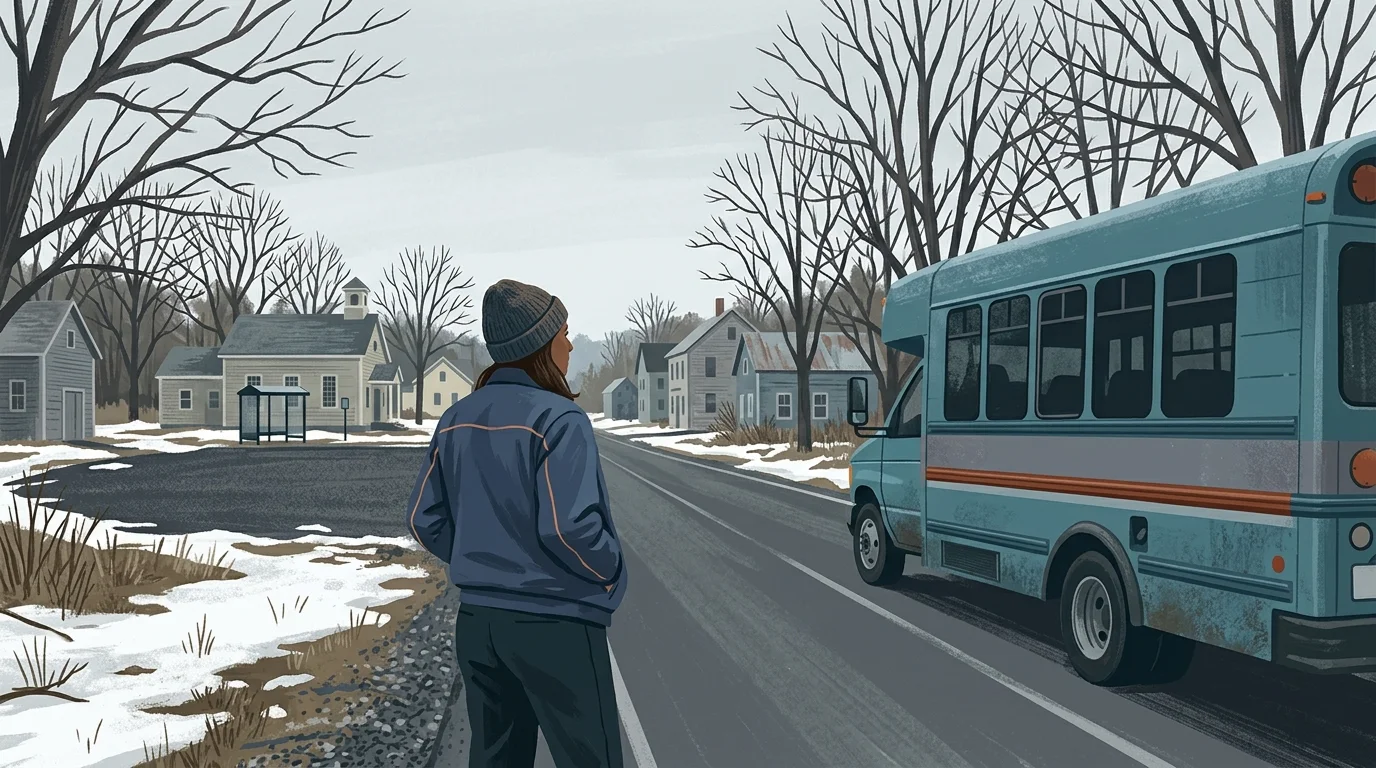
What is breaking is the rural network. OATS Transit, which operates in 87 Missouri counties, lost $900,000 in state funding in 2025. Because federal match multiplies the impact of state dollars, that translates to a $1.8 million total loss in operating capacity. Kimberly Cella, CEO of Citizens for Modern Transit and executive director of the Missouri Public Transit Association, put the arithmetic plainly: 30 transit providers are now sharing $1.7 million in state Transportation Fund money. MoDOT did receive a $25.8 million FTA Section 5311 rural formula grant in March 2026, running through 2031, but that grant requires state and local match to unlock, the same match that is no longer reliably available. Federal money sitting in an account that cannot be matched is not the same as federal money moving buses.
The statewide federal transit portfolio is substantial on paper: $922 million across 132 active grants in Missouri's DOT ledger. But the distribution of that money reflects a system designed around the assumption that state operating support would exist. Urban agencies with direct FTA relationships and their own local revenue can navigate a state withdrawal. The architecture of rural transit in Missouri runs through MoDOT as a pass-through administrator, and that architecture depends on the match layer Kehoe's budgets have steadily removed.
Missouri already occupied a weak position before these cuts. It is one of only four states without an active transportation plan accounting for non-motorized users, and it spends substantially less on transit than neighboring states. The Missouri Public Transit Association's member agencies collectively averaged 40.1 million rides per year from 2019 through 2023, generating an estimated $1.4 billion in annual direct economic impact according to a Saint Louis University analysis. That output is now running on a narrowing base.
The September procurement activity, viewed in isolation, looks like momentum. Placed against the budget trajectory, it looks like triage. Urban agencies are signing contracts because they found a substitute funding path. The signal to watch is not how many RFPs Missouri cities issue in October, it is whether rural operators like OATS can sustain service through a winter season without the state supplement that historically kept their federal grants functional. The FY2027 budget is already signed. The next leverage point is the FY2028 appropriations process, which MoDOT and transit advocates will begin shaping in early 2027.