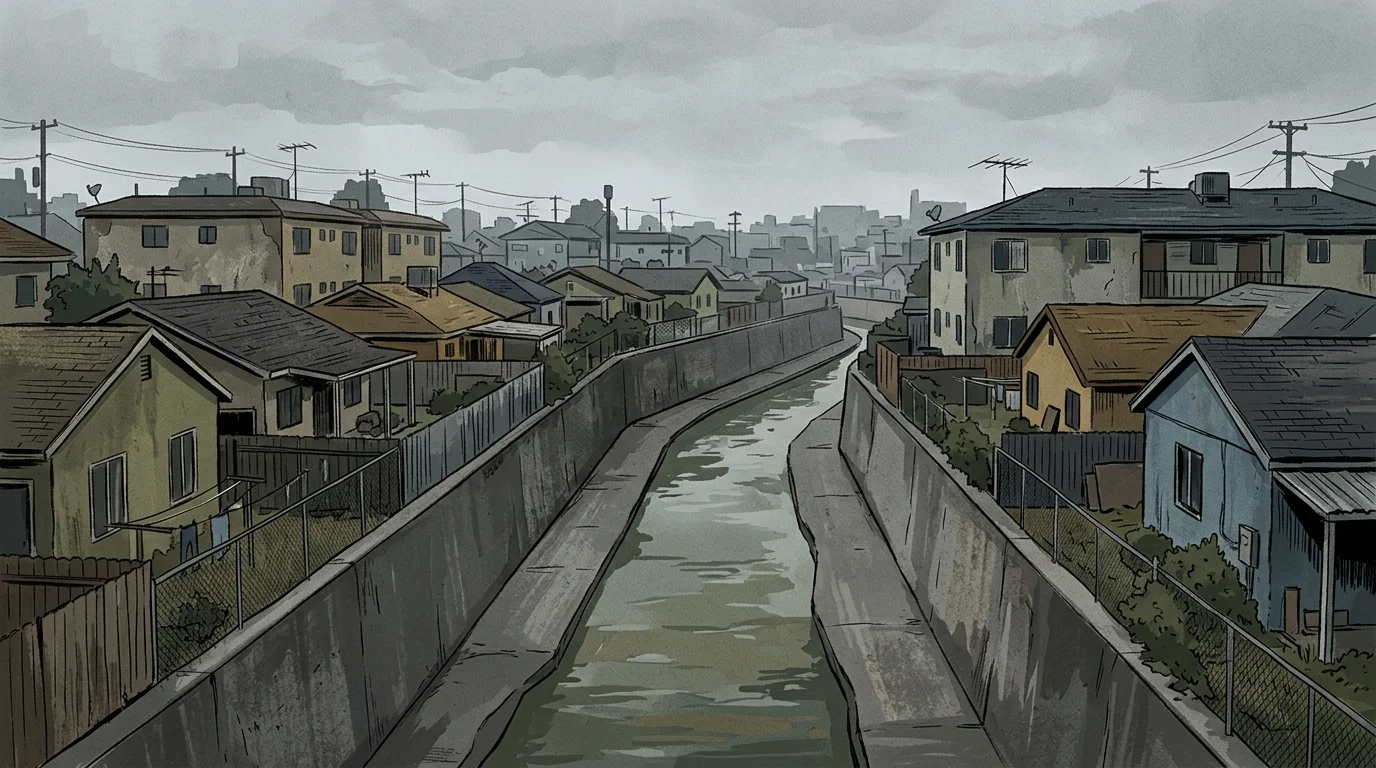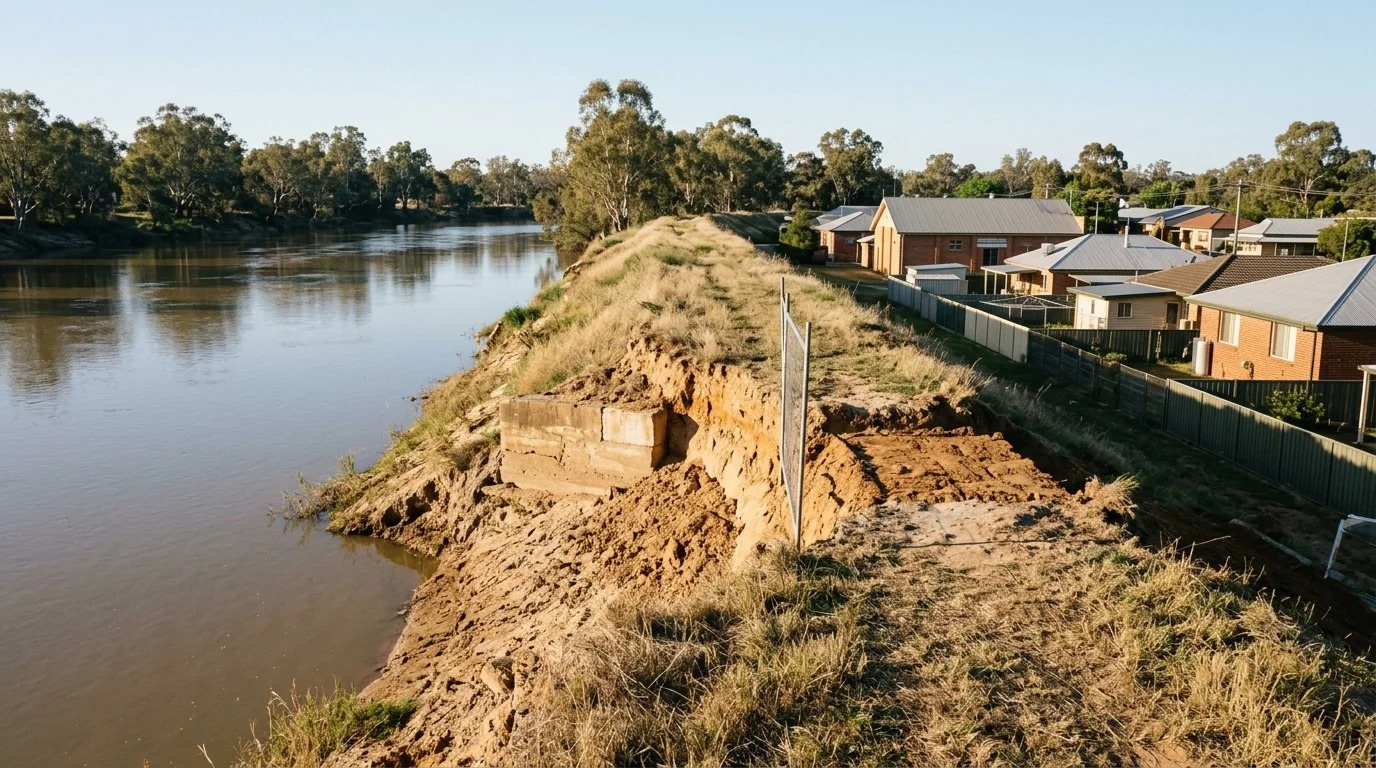
Grafton, New South Wales is moving to repair 20 vulnerable points in the levee network that has protected its low-lying city centre from the Clarence River for more than six decades, nearly five years after the largest flood ever recorded there came within centimetres of overtopping those same walls.
In February and March 2022, the Clarence River peaked at 7.66 metres on the Grafton gauge, part of the broader eastern Australia flooding crisis that killed dozens and caused more than $5 billion in insured losses. While Lismore, to the south, suffered catastrophic levee failure and drew most of the national attention, Grafton's defences held, barely. That near-miss exposed weaknesses spread across the city's distributed network of levees protecting Grafton, South Grafton, and surrounding villages, and triggered a long review of where the system needed strengthening.
The scale of the problem is reflected in the scope of the current project: repairs spanning 20 separate sites posted through the NSW Government procurement portal, suggesting damage and deterioration was widespread rather than concentrated in any single location. Preliminary assessment work is already done; what's being contracted now is the final design and construction work to fix what was found.
Grafton is a city that cannot afford a levee failure. The CBD sits on a low-lying river flat, and without a functioning levee network, floodwater would inundate the centre of town. The broader Clarence Valley, covering around 10,400 square kilometres with roughly 53,000 residents, also relies on the floodplain for sugar cane, beef, fisheries, and tourism. Clarence Valley Council has limited own-source revenue and depends heavily on state and federal grants for work at this scale.
The 2022 disaster accelerated that funding. The NSW Reconstruction Authority, established in December 2022 in response to that year's Northern Rivers catastrophe, has been pushing a shift from disaster recovery toward pre-disaster mitigation. Federal funding through the Disaster Ready Fund, launched in 2023, prioritises exactly this kind of infrastructure. Climate projections for the NSW north coast showing more intense rainfall and more frequent extreme flood events have added urgency to the case for reinforcing ageing levees built decades ago under different engineering assumptions.
With the contract now being sought, the question is how quickly the work can move from procurement to completed repairs before the next major flood season tests the system again.