On land that once manufactured chemical weapons and was declared one of the most contaminated sites in the United States, federal officials in Commerce City, Colorado are now trying to build housing.
The Rocky Mountain Arsenal, a 17,000-acre site in Adams County that spent decades on the Superfund cleanup list, has posted a bid solicitation for the "Wild Horse Tiny Home Village," a modular housing development planned for a portion of the property. Modular construction, where units are built off-site and assembled on location, is seen as a faster and cheaper alternative to traditional building, and has been deployed across Colorado for everything from homeless services to workforce housing in ski towns.
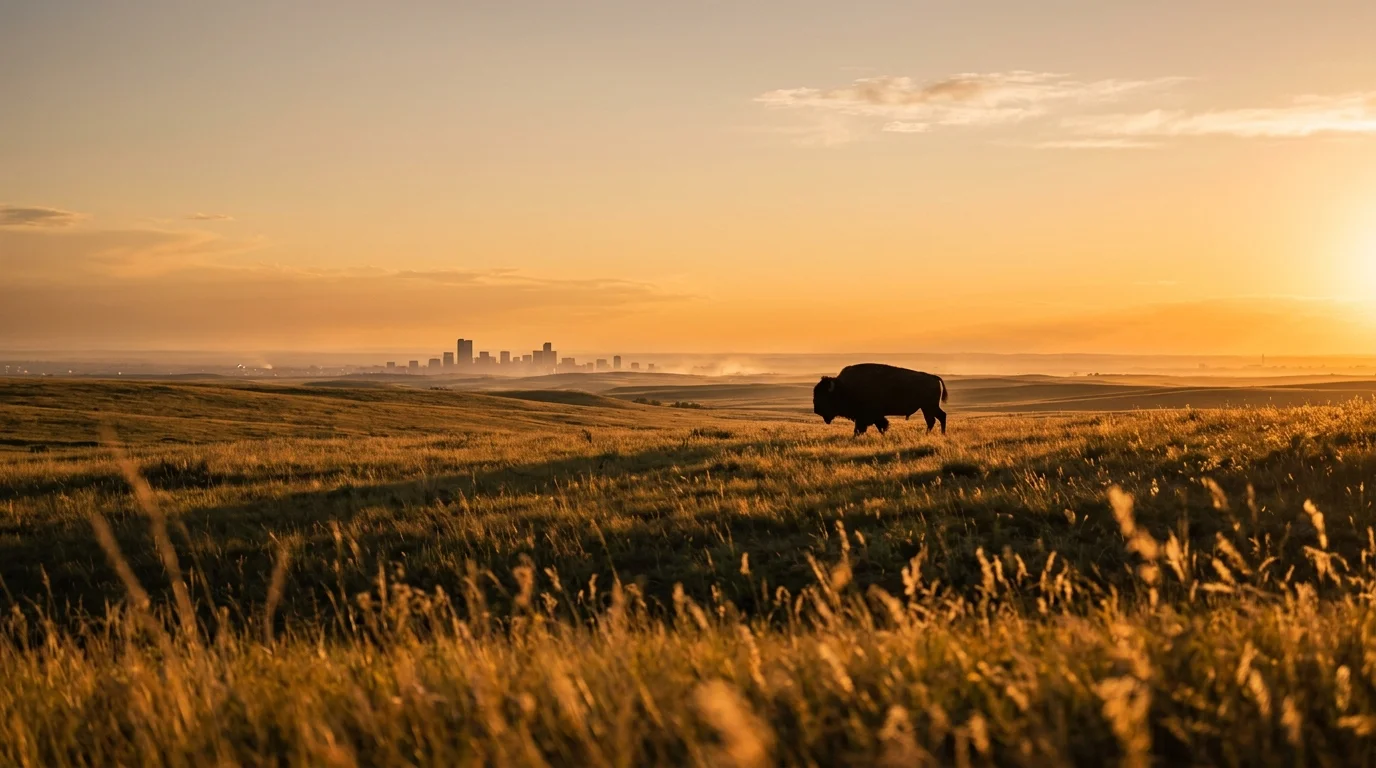
The Arsenal's history makes this a striking site for any residential project. Established in 1942 to produce mustard gas and other chemical weapons, it later hosted Shell Oil's pesticide operations through the Cold War era. By the 1980s it was widely described as the most polluted square mile on Earth. A Superfund cleanup, one of the largest in U.S. history, began in 1987. Most of the site was eventually transferred to the U.S. Fish and Wildlife Service and reopened as the Rocky Mountain Arsenal National Wildlife Refuge, now home to bison, bald eagles and deer. The "Wild Horse" name likely nods to that wildlife legacy and the surrounding Commerce City neighborhood.
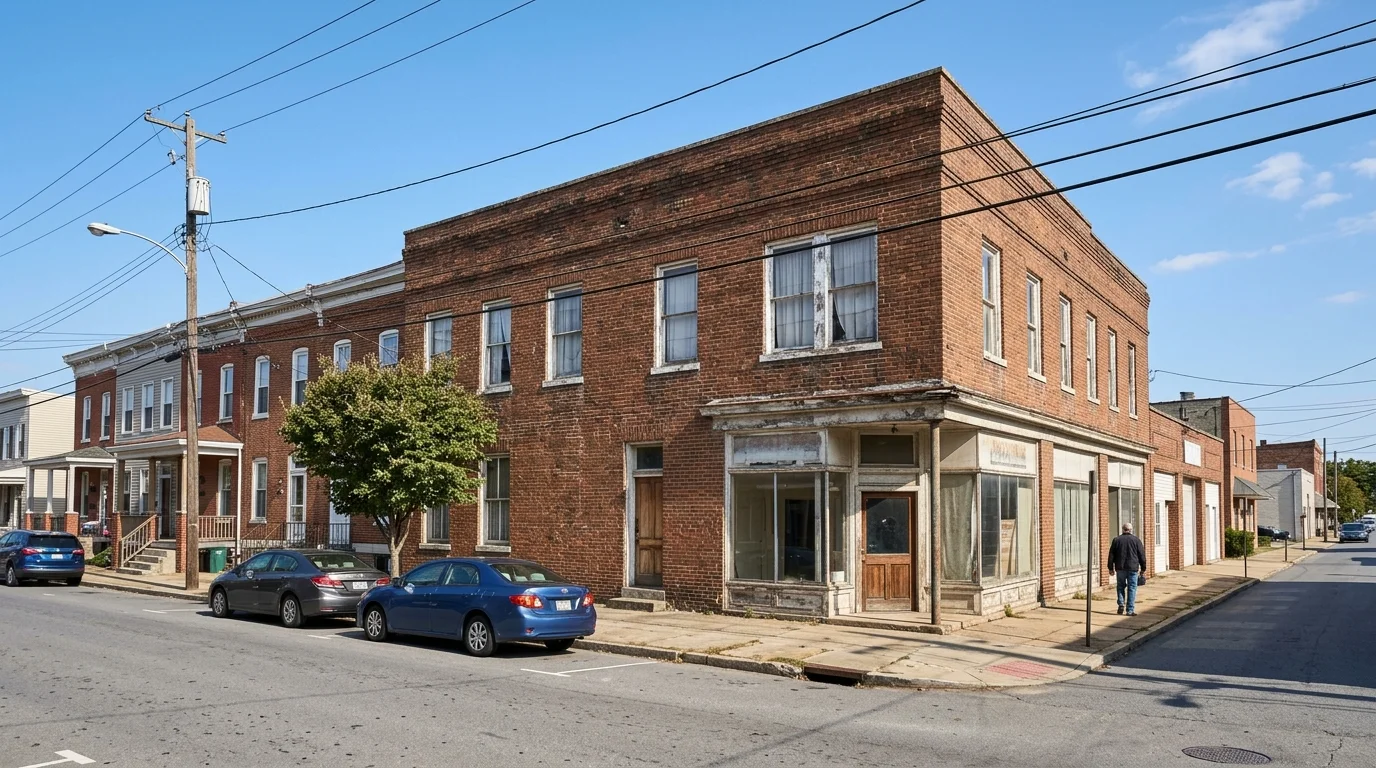
The project lands in one of Colorado's most housing-stressed communities. Adams County's median home price now exceeds $500,000 while household incomes lag behind the broader Denver metro. Commerce City itself, a majority-Latino, working-class suburb, has long shouldered a heavy industrial burden from nearby refineries and rail yards. As Denver Mayor Mike Johnston has pushed tiny-home villages as a tool to address street homelessness, and as the city works to stabilize its homelessness safety net, the Arsenal project fits into a wider regional scramble for fast housing solutions.
The bid record does not specify how many units are planned, who would be eligible to live there, or how the project is funded. Whether the village is intended for Arsenal or refuge employees, veterans, people experiencing homelessness, or low-income residents more broadly is a question the solicitation leaves open, and the answer will significantly shape the project's impact on the surrounding community.
Any construction on a former Superfund site also comes with regulatory strings attached, including EPA monitoring obligations and deed restrictions that govern what can be built and where. Those constraints will likely face scrutiny as the bidding process moves forward.