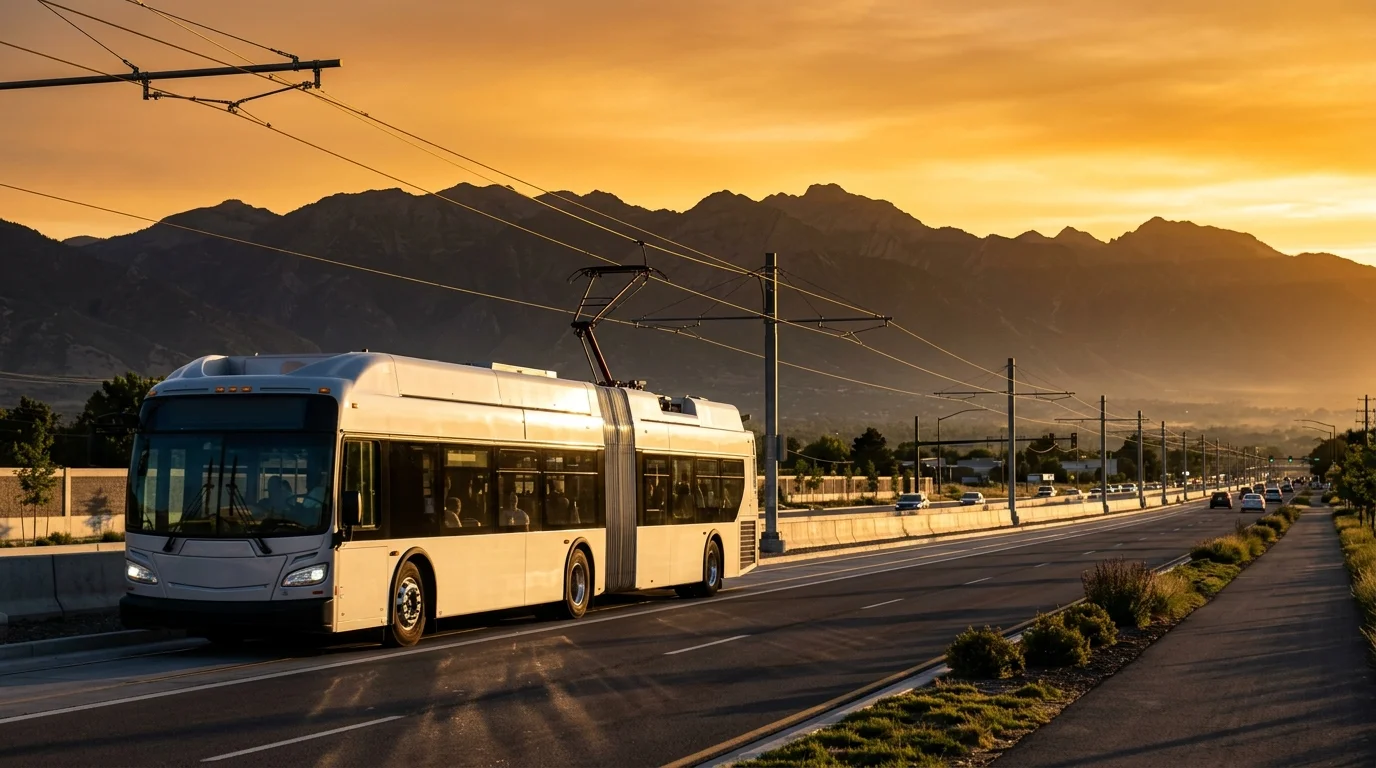
Transit procurement requests touched all 51 states and 1,537 institutions in the last 60 days, roughly 4.5 times the prior 12-month bimonthly average of 343, the broadest simultaneous contracting push American public transit has ever produced. The titles tell the story: zero-emission bus fleet purchases, EV charging infrastructure, transit facility rehabilitation, ADA transition plans, short-range transit plans. This is what agencies do when federal money has arrived and a deadline is closing in.
The deadline is December 11, 2026. That is when the Infrastructure Investment and Jobs Act's transit program authorities expire under a short-term continuing resolution (H.R. 6500 / P.L. 119-103) that Congress passed after the original authorization lapsed September 30. The IIJA was, by any measure, the largest federal investment in public transit in U.S. history: $108 billion authorized over FY2022 through FY2026, averaging $21.4 billion per year, a 67 percent increase over the prior FAST Act baseline. No successor bill has been enacted. The BUILD America 250 Act (H.R. 8870) passed a House committee in May but has not moved further. Without reauthorization, formula transit funding reverts to pre-IIJA levels, a cut estimated at roughly $28 billion per year.
Agencies are not waiting to find out what happens. The Federal Transit Administration has already obligated more than $9.6 billion in transit grants to the top ten states alone over the past 18 months, seeding a downstream procurement wave that is now cresting simultaneously across the country. California leads at $3.6 billion in new transit grants, explaining why 238 California institutions appear in the current RFP data, the state's transit network spans LA Metro, BART, Caltrain, SFMTA, and dozens of smaller operators, each running its own procurement calendar. New York (89 institutions), Washington (66), Florida (60), and Illinois (58) follow, but the spread reaches states that rarely register in national transit conversations: North Carolina, with 48 active procurement institutions in the same window, is a signal of how far down the agency hierarchy this push has reached.
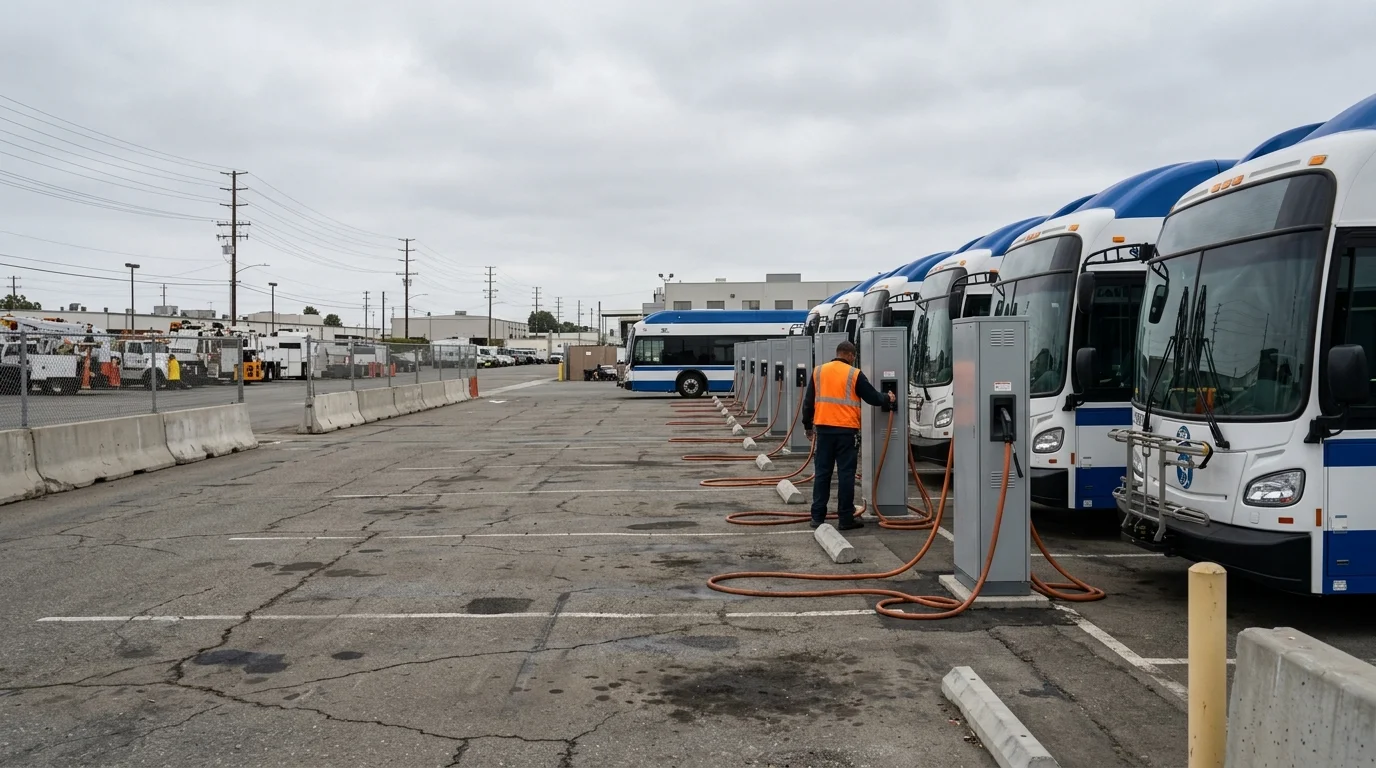
The money flowing into those procurement offices comes from distinct programs within FTA's IIJA portfolio, and they work differently. Formula grants under sections 5307 (urbanized area) and 5311 (rural areas) are apportioned automatically by population and transit intensity, the FY2026 urbanized area formula alone distributed $7 billion nationally, an increase of $363 million above FY2025. State of Good Repair grants (§5337) target capital rehabilitation of rail and high-intensity bus systems; LA Metro's $189 million award and SFMTA's $132 million award, both in August 2025, are now turning into infrastructure contracts. Competitive programs work on a different timeline: the FTA's FY2025 Low or No Emission program awarded roughly $2 billion to 165 projects in 45 states, announced November 2025, and those awardees are now in the market for buses and charging equipment. The FY2026 Bus and Low-No NOFO, $610 million posted in July, applications closed September 21, is expected to generate another round of awards in early December, landing just before the authorization deadline.
The Chicago Transit Authority's $444 million Federal Transit Formula grant, received in August 2025, is the largest single award in the study period and illustrates the scale of capital commitment agencies are now trying to execute. For context: a major bus fleet replacement, the kind that a $50 million Low-No award might fund, typically requires six to eighteen months from RFP to vehicle delivery. Agencies that haven't started procurement by late 2026 risk receiving buses after the political environment for transit funding has shifted in ways that are difficult to predict.
That political uncertainty is the other force compressing the timeline. As NACo has noted in urging Congress to maintain current funding levels, the coalition needed to pass reauthorization is under strain. The BUILD Act's proposed formula changes would cut rural-state transit funding, Idaho, North Dakota, Maine, and Montana are each projected to lose more than 16 percent of federal transit support, fracturing the rural-urban alignment that passed the IIJA in 2021. Urban states gain under the new formula; rural delegations have reason to resist. That divide makes a quick reauthorization harder and makes the December 11 extension feel less like a runway and more like a cliff edge.
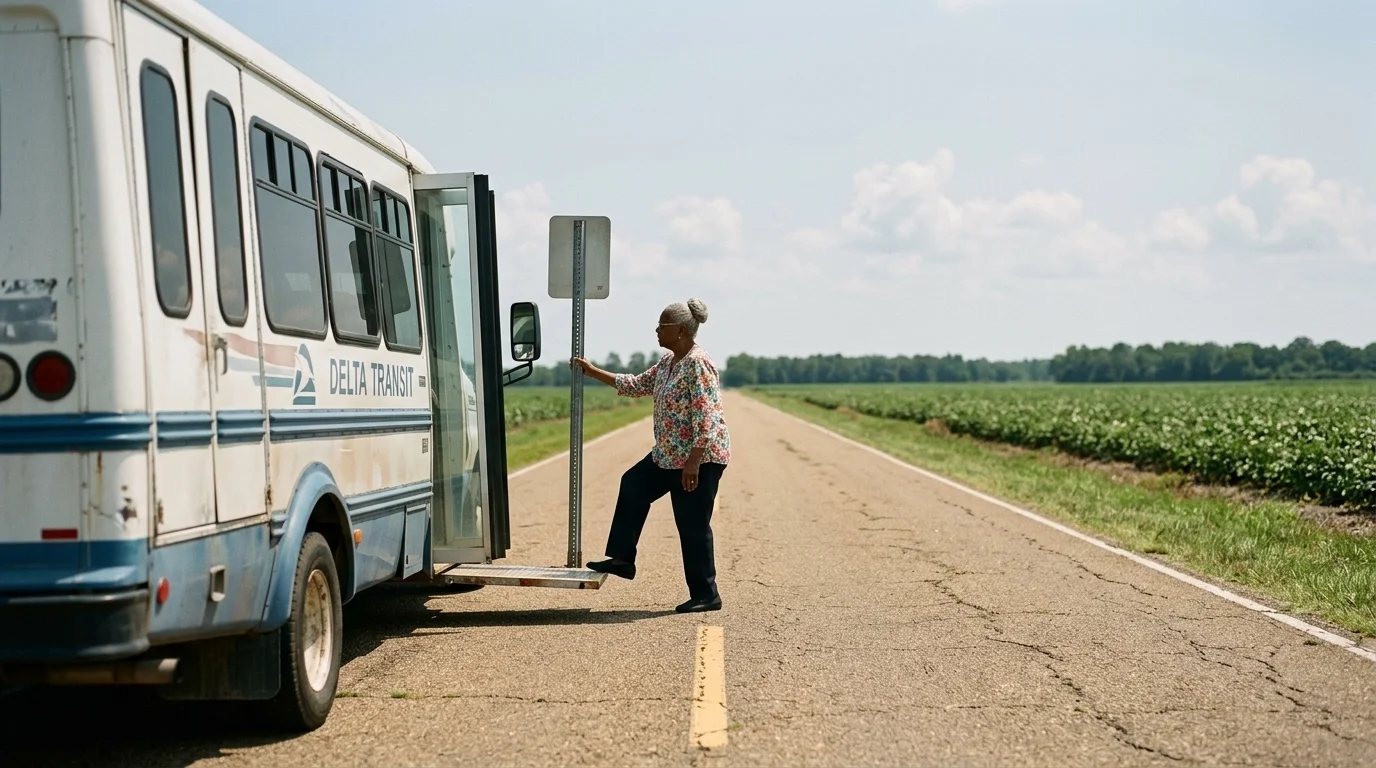
For riders, the practical question is what gets delayed or descoped if the authorization lapses without a successor. Operating assistance under §5307, the funding that keeps buses running and drivers paid in mid-sized cities, is the most immediate exposure. Capital projects already under contract would likely continue; new ones would not start. Agencies in states where transit depends heavily on federal formula dollars, including rural systems receiving §5311 funds, face the sharpest near-term risk.
The next signal to watch is the FY2026 Bus and Low-No award announcement, expected in the first week of December. If awards land before December 11, those agencies will have formula allocations in hand but will be writing procurement documents into a legal and funding environment that Congress has not yet defined.