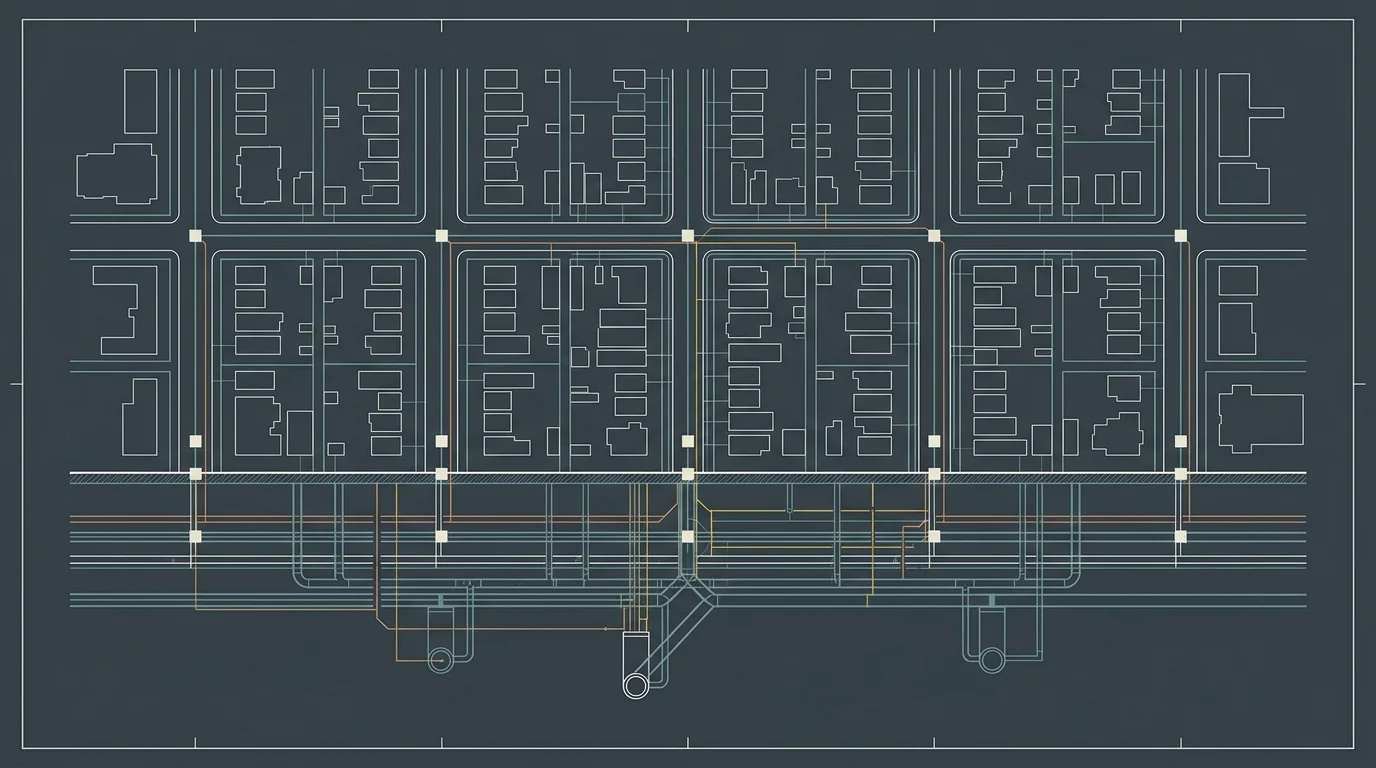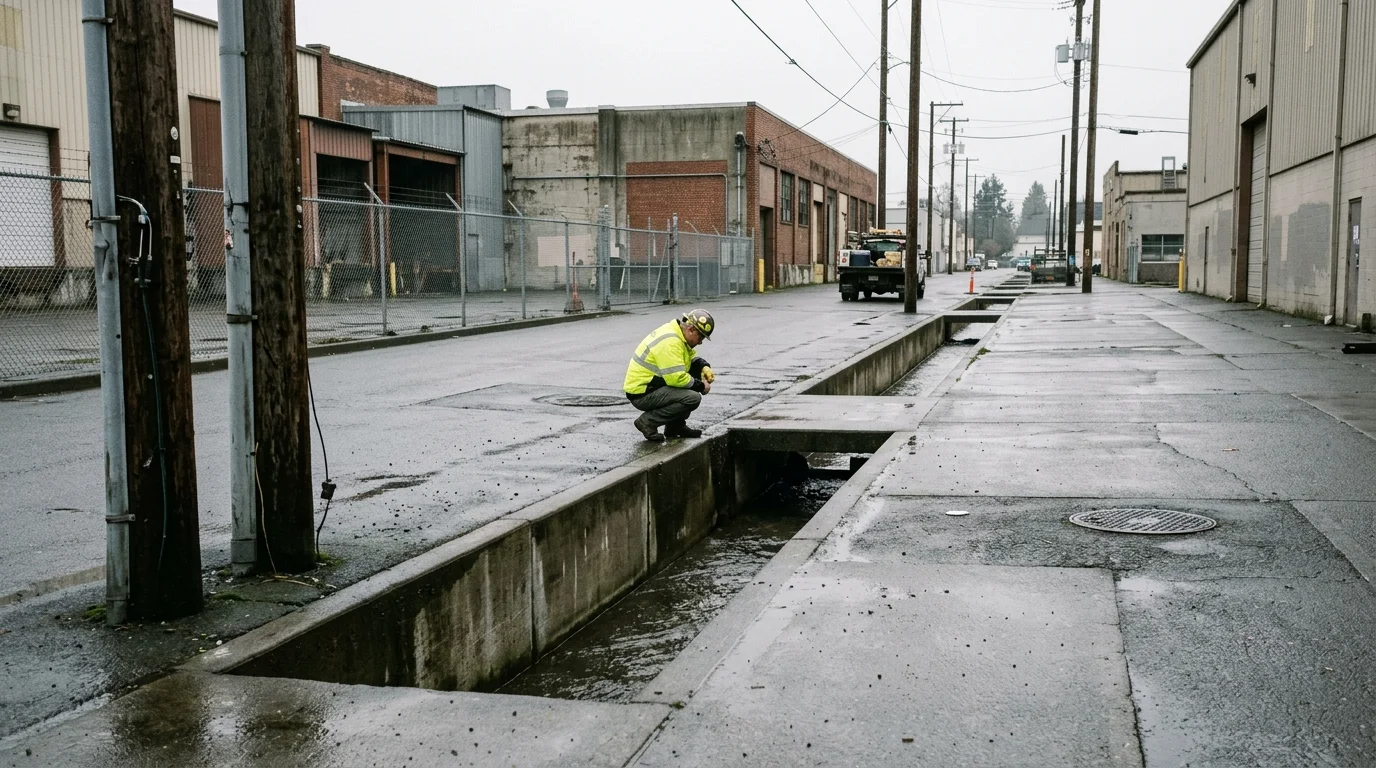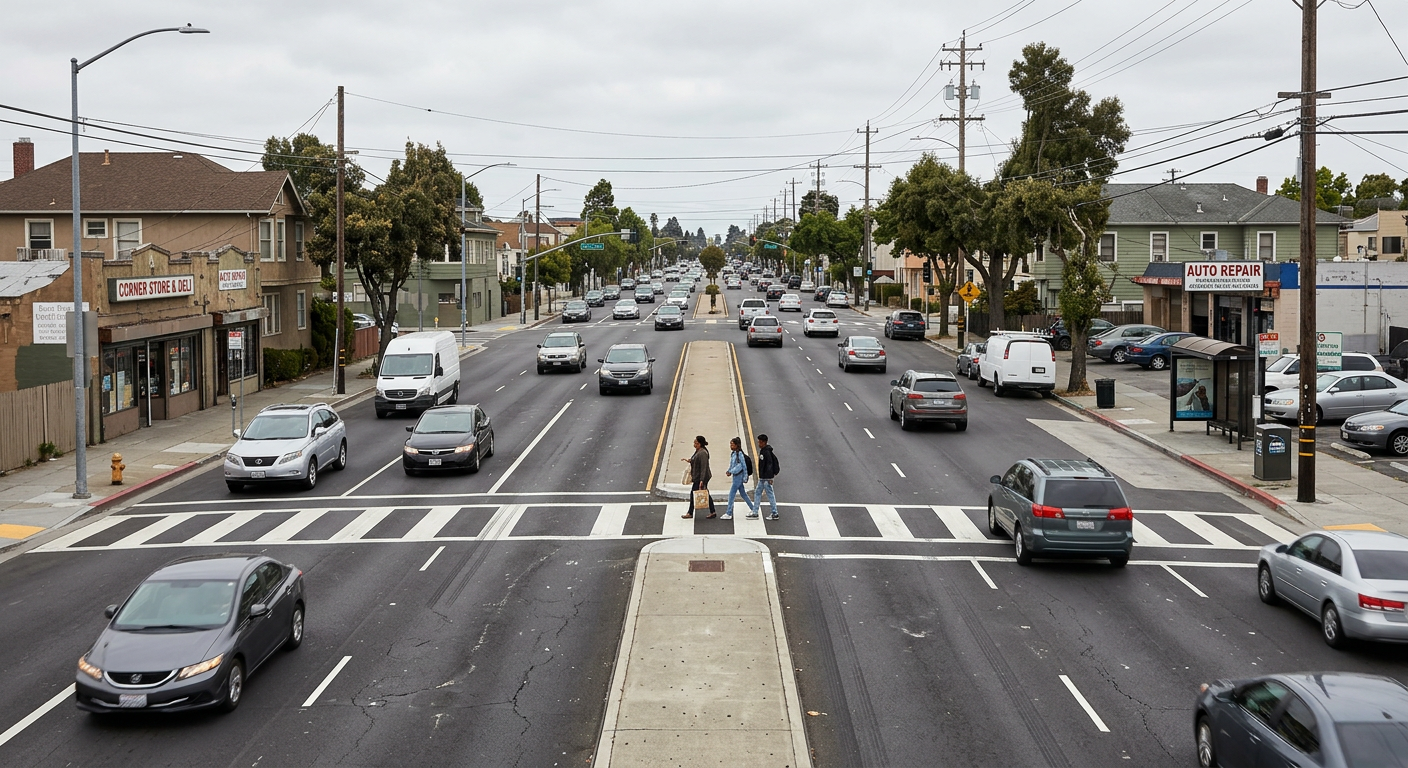
Five intersections along 98th Avenue in East Oakland, California are getting a major safety redesign aimed at protecting pedestrians in a neighborhood that has seen disproportionate traffic deaths for over a decade.
The project will install flashing warning beacons at three crosswalks, upgrade traffic signals at all five intersections, and add physical barriers like concrete refuge islands and corner bulb-outs that force drivers to slow down. New curb ramps will bring the street into compliance with disability access laws.
Residents of East Oakland are three to four times more likely to be killed or severely injured in crashes than people living in wealthier parts of the city. 98th Avenue, a major north-south artery that connects to Interstate 880, handles both local foot traffic and fast-moving commuters, a combination that has proven deadly.
The improvements are part of Oakland's Vision Zero commitment, a 2016 pledge to eliminate traffic deaths by 2025. The city badly missed that deadline. Traffic fatalities have remained stubbornly high, especially in East Oakland, a predominantly Black and Latino area that has faced decades of underinvestment in street infrastructure.
The redesign uses proven countermeasures: rectangular rapid flashing beacons cut pedestrian crashes by about 47 percent, according to federal highway safety data. Refuge islands and bulb-outs physically narrow the street and give people safer places to wait while crossing.
Drought-resistant cacti will be planted in the new bulb-outs. Construction is likely to begin in late 2026 or early 2027, after the city selects a contractor this spring.