Dutchess County, New York is moving to put mental health clinicians on the road to respond to psychiatric emergencies, filling what officials and advocates have long identified as the missing piece of the county's behavioral health system.
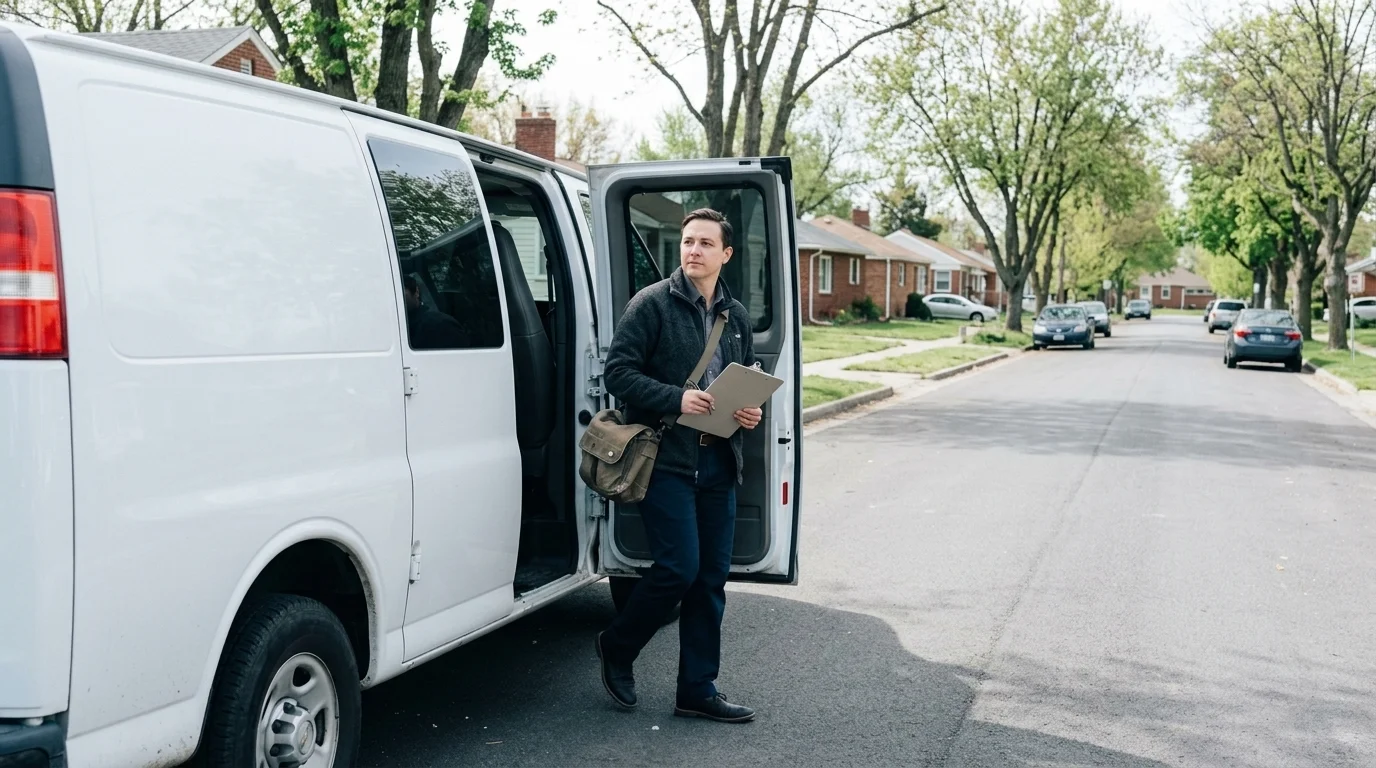
The county is seeking a provider to run a Mobile Crisis Intervention Team, a civilian-led unit that would go directly to people experiencing mental health crises in the community. The solicitation is listed on BidNet Direct. Specific details about the team's size, hours and budget were not included in the public summary.
The move follows nearly a decade of investment in crisis infrastructure in Dutchess, a Hudson Valley county of about 297,000 people centered on Poughkeepsie. In 2017, the county opened a 24/7 walk-in Stabilization Center, one of the first of its kind in New York, designed to give people in crisis somewhere to go besides an emergency room. What the county has lacked is a way to reach people who can't or won't get there on their own.
Source: NationGraph.
That gap has real consequences. Without a civilian response option, most psychiatric emergencies in Dutchess go to police, who are trained for law enforcement, not mental health treatment. Those calls often end at Vassar Brothers Medical Center or MidHudson Regional, both of which have documented problems with patients waiting hours or days in emergency departments for psychiatric beds. The closure of St. Francis Hospital's inpatient psychiatric unit years ago narrowed options further.
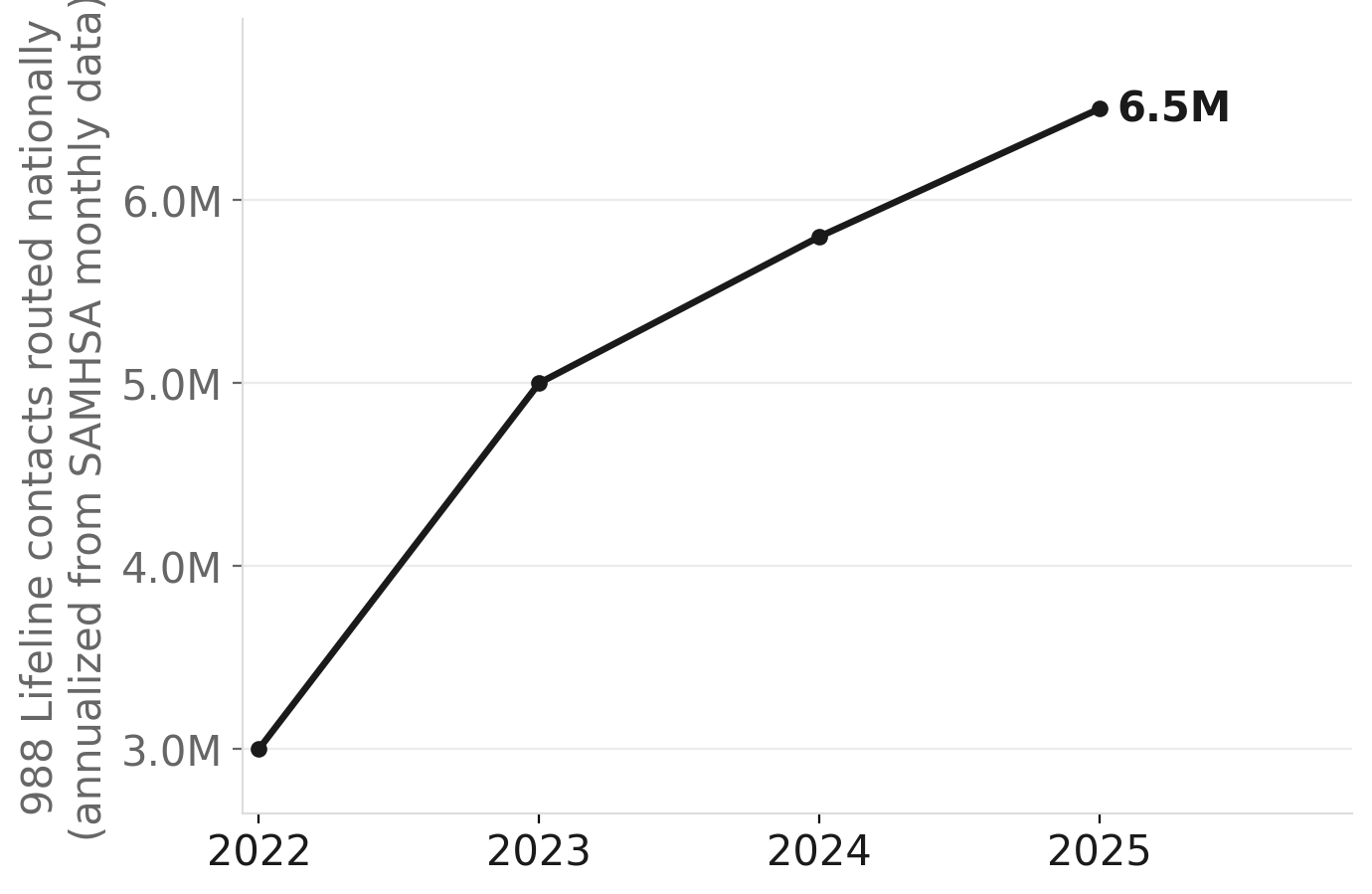
The timing reflects pressure from both Albany and Washington. The federal 988 Suicide and Crisis Lifeline, launched in July 2022, was designed as one leg of a three-part system: a number to call, a team to respond and a place to go. Dutchess already has the other two legs. Governor Kathy Hochul's administration has committed more than $1 billion to mental health infrastructure in recent state budgets, with mobile crisis teams a centerpiece of that investment.
The model Dutchess is pursuing has proven track records elsewhere. Eugene, Ore.'s CAHOOTS program has dispatched clinicians and medics to behavioral health calls since 1989. Denver's STAR program, launched in 2020, handled thousands of calls in its first years without a single instance requiring police backup.
For Dutchess, covering a county that stretches from urban Poughkeepsie and Beacon to rural towns in the hills to the east will be a logistical challenge for any team. How the county intends to staff and deploy the unit will likely become clearer once a provider is selected and a contract is finalized.