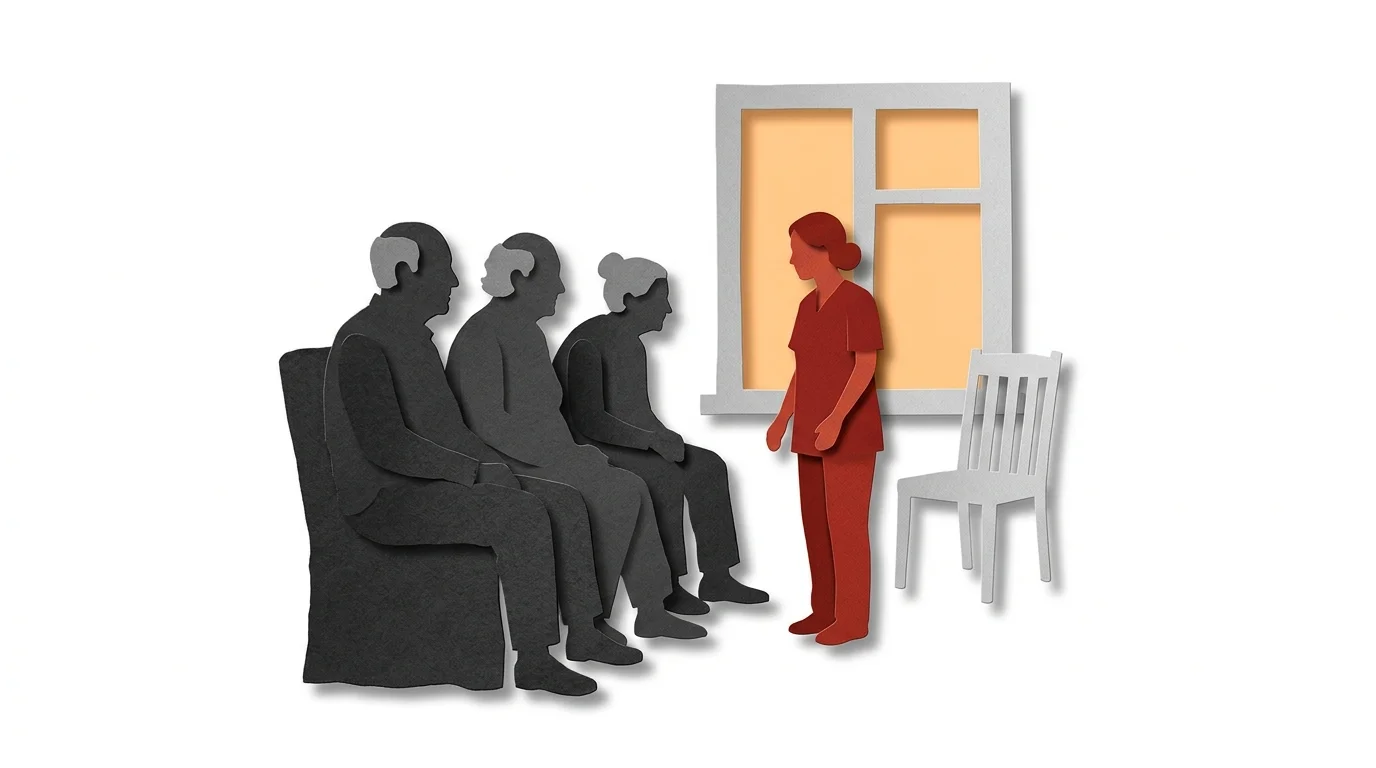
Manatee County, Florida is searching for providers to deliver in-home care for elderly and Alzheimer's patients as the county's senior population swells and dementia cases climb toward a projected 30% increase this decade.
The county is contracting services under two long-running Florida state programs: the Alzheimer's Disease Initiative (ADI), which funds memory-specific care including respite support for family caregivers, and Community Care for the Elderly (CCE), which helps frail residents 60 and older stay in their homes rather than move into nursing facilities. Both programs are funded through the Florida Department of Elder Affairs and administered locally by counties. Manatee County posted the solicitation for new service contracts on April 29, 2026.
The stakes are significant. About 28 to 30 percent of Manatee County's roughly 420,000 residents are 65 or older, well above Florida's already high statewide average of 22 percent. Florida ranks second in the nation for its share of elderly residents, and an estimated 580,000 Floridians are currently living with Alzheimer's, a number the Alzheimer's Association projects will reach 720,000 by 2030.
The policy math behind both programs is straightforward: keeping a senior at home with in-home services costs far less than nursing home placement, which runs $90,000 to $120,000 or more per year in Florida. Caregiver burnout, without respite support, is one of the main reasons families turn to institutional care.
But finding enough workers to actually deliver that care is an increasingly serious problem. Home health aides in the region typically earn $13 to $16 an hour, wages that have not kept pace with Manatee County's sharply rising cost of living, particularly housing. Many aides can no longer afford to live in the communities they serve, fueling turnover rates that in some Florida markets exceed 60 to 80 percent annually. That workforce shortage directly limits how many seniors can be served, regardless of what contracts are in place or how much state funding flows to the county.
Florida's legislature funds both programs, allocating roughly $78 million for CCE and $28 million for ADI in the current fiscal year, but advocates and aging services groups have long argued those appropriations haven't kept pace with demographic growth. Waitlists for both programs have persisted statewide for years.
The county is expected to finalize new contracts in time for a late 2026 or early fiscal year 2027 start. Whether enough qualified providers step forward, and whether they can staff up to meet demand, will determine how many Manatee County seniors actually receive the care the programs promise.