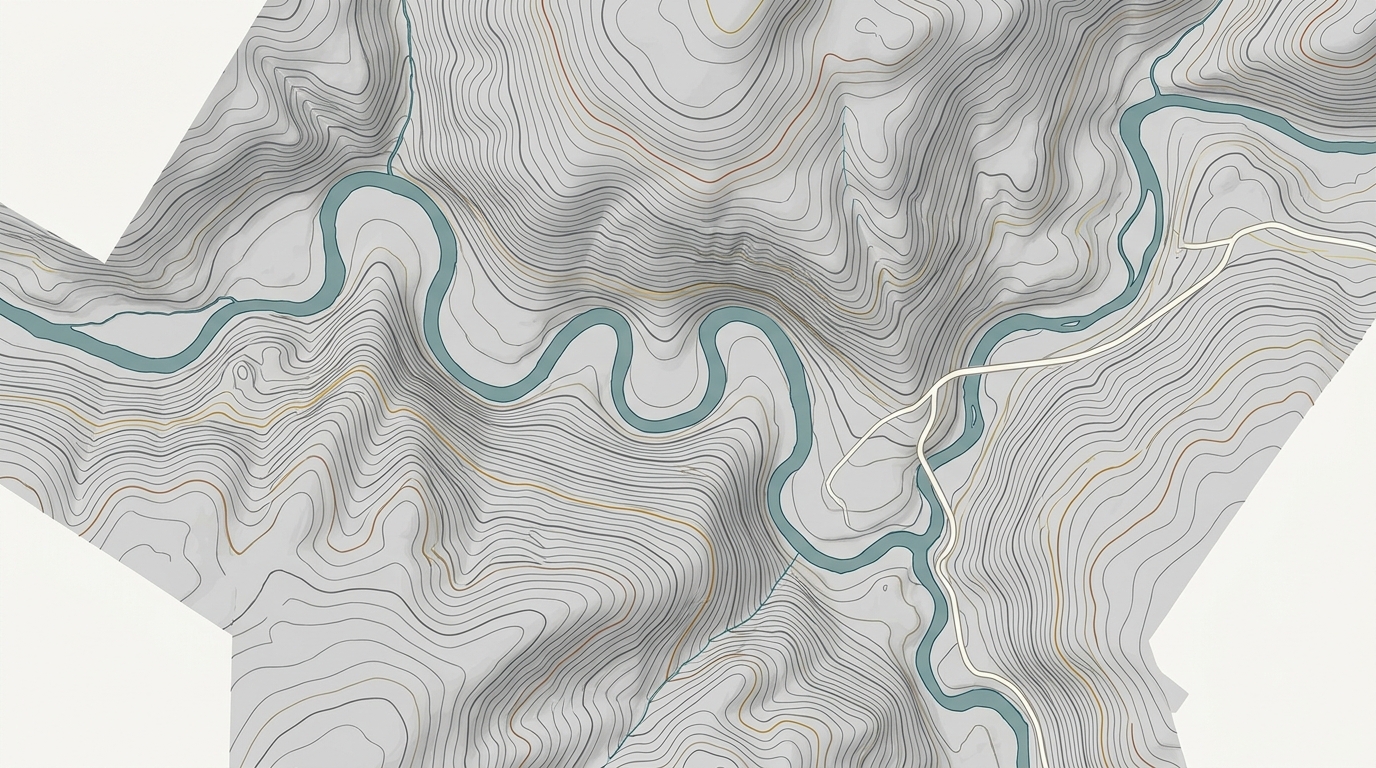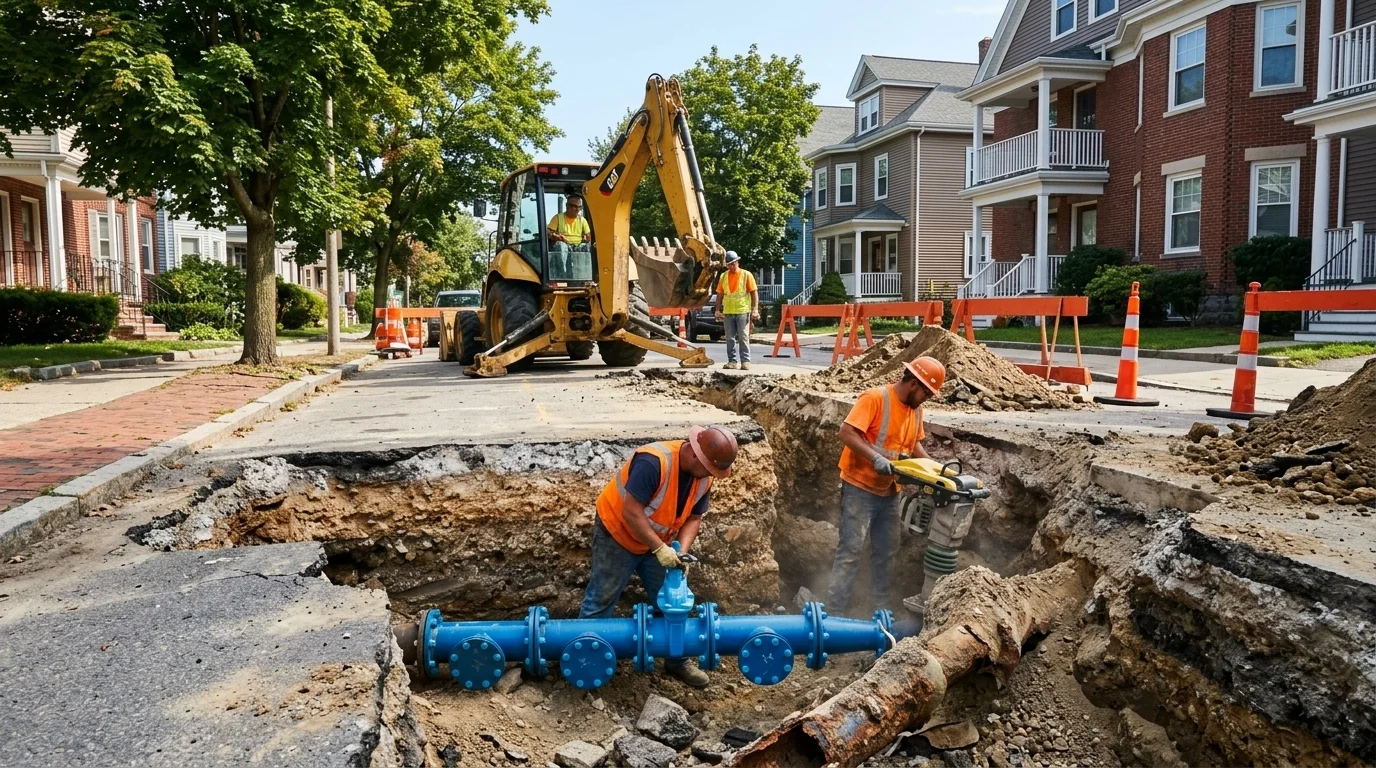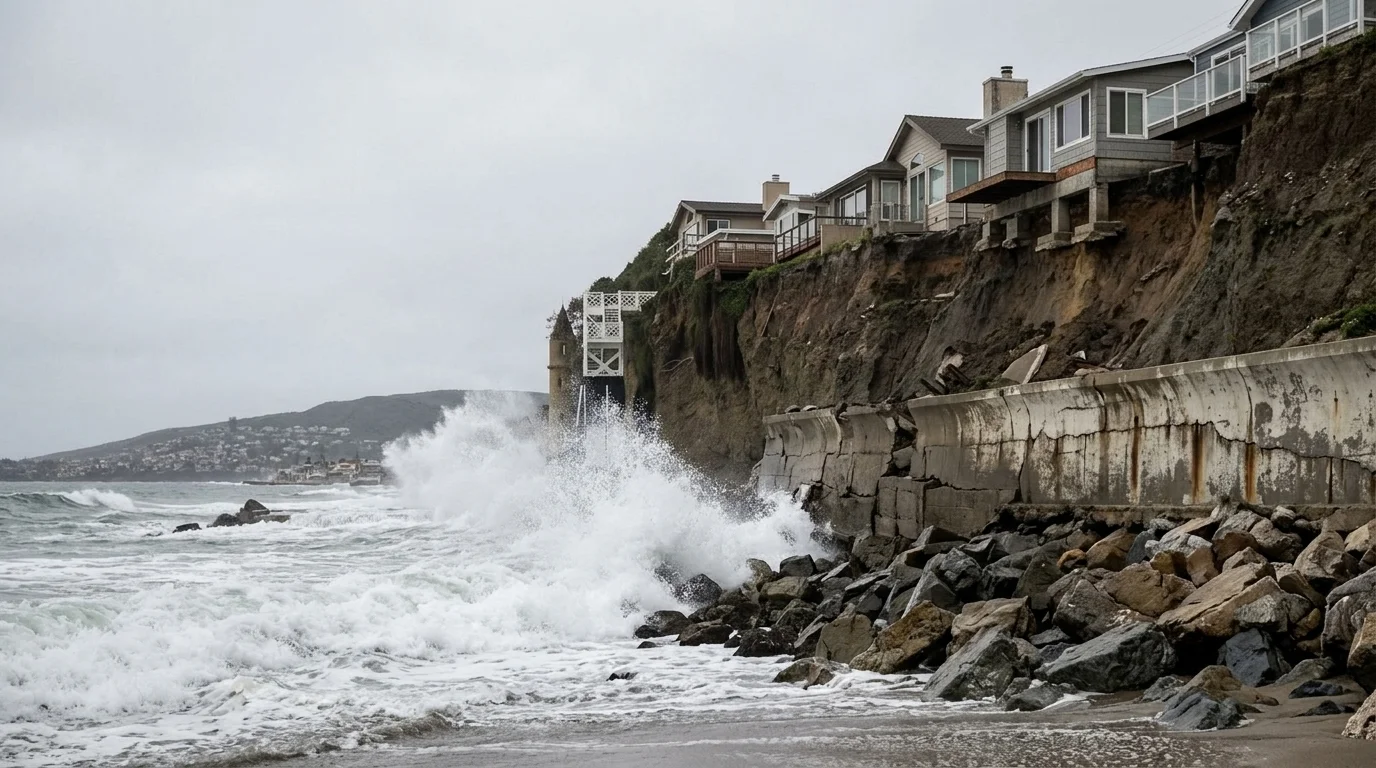
A community along Dry Creek is moving toward building a floodwall designed to shield homes and infrastructure from recurring floods, with a contractor search now underway.
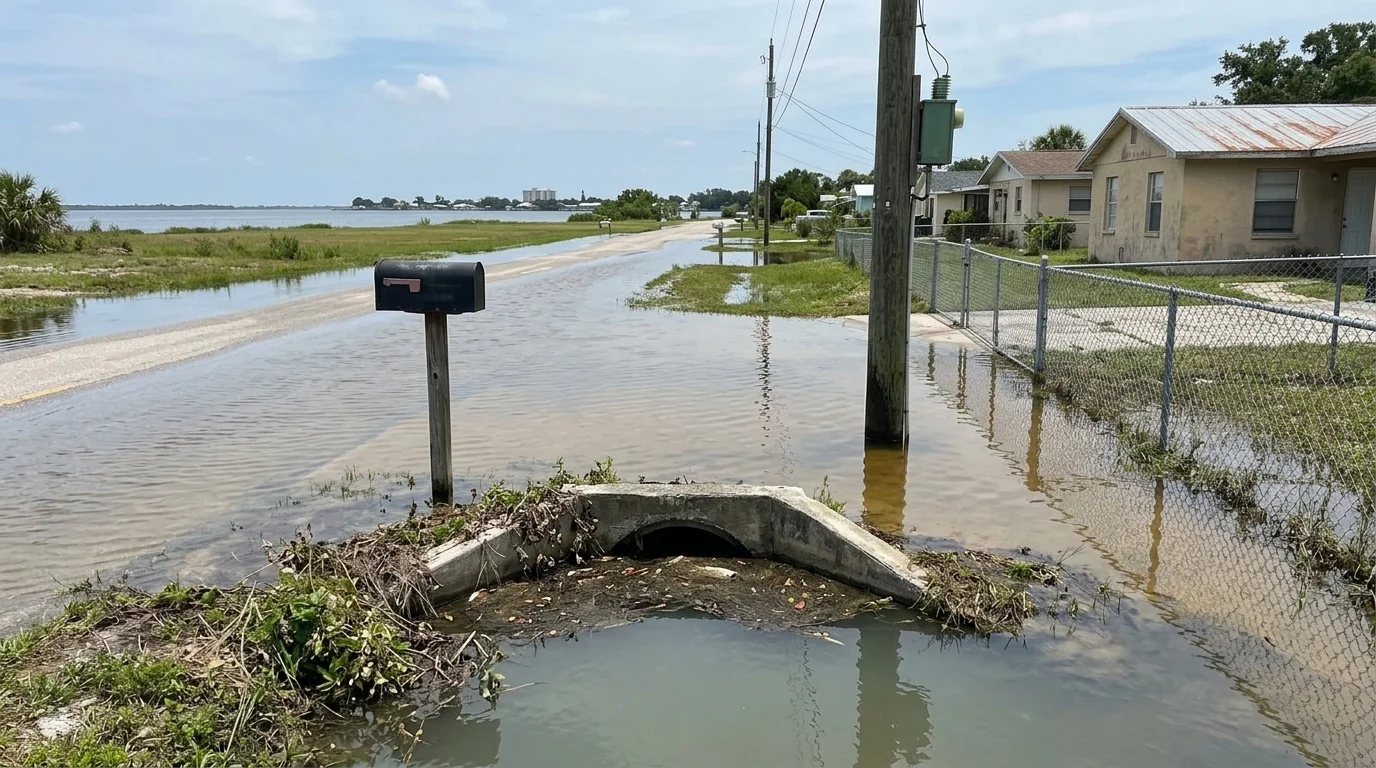
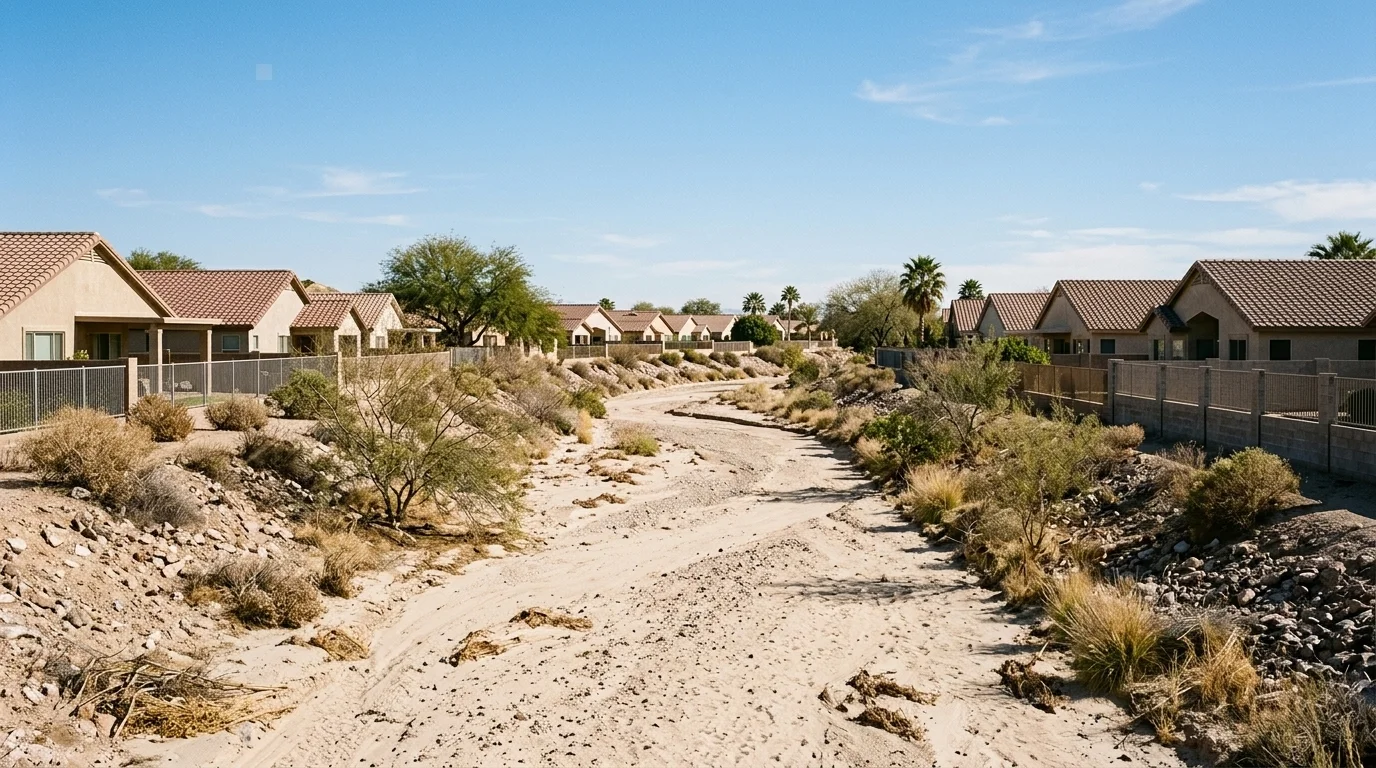
The project follows a pattern common across the Western United States, where channels called "dry creeks" sit empty for most of the year before carrying dangerous flash floods during monsoon seasons or atmospheric river storms. Development that grows up around these channels over decades of dry years can face sudden, catastrophic inundation when the water finally comes. Climate change has sharpened that whiplash effect, bringing both longer droughts and more intense rain events to the region.
Floodwall projects like this one typically take five to 10 years from a community's worst flood disasters to actual construction. The usual path runs through federal disaster declarations, engineering studies, hazard mitigation plans, and finally a federal cost-share grant, often through FEMA's Building Resilient Infrastructure and Communities program, which covers roughly 75% of project costs with local governments covering the rest. The 2021 federal infrastructure law added billions more for exactly this kind of work, accelerating a wave of floodwall and levee projects nationwide.
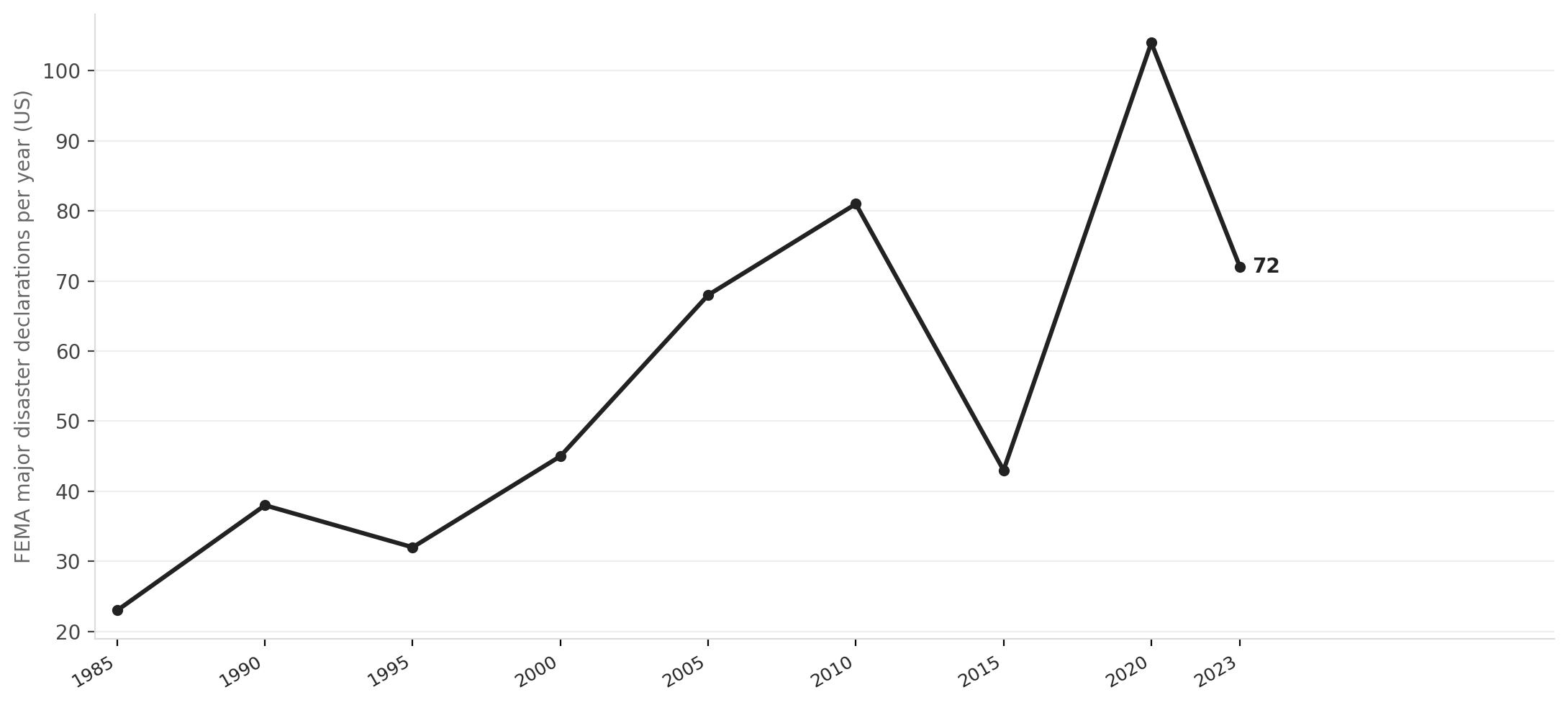
Source: NationGraph.
The issuing agency and jurisdiction are not identified in the available procurement record, and the project budget and construction timeline have not been disclosed publicly. The solicitation is posted on a state and local government procurement portal, where additional details may be available. As previously reported, the Dry Creek Floodwall project has now moved to the construction bidding phase.
Once a contractor is selected and confirmed, residents in the protected area will have a clearer picture of when construction begins and what disruptions to expect along the creek corridor.