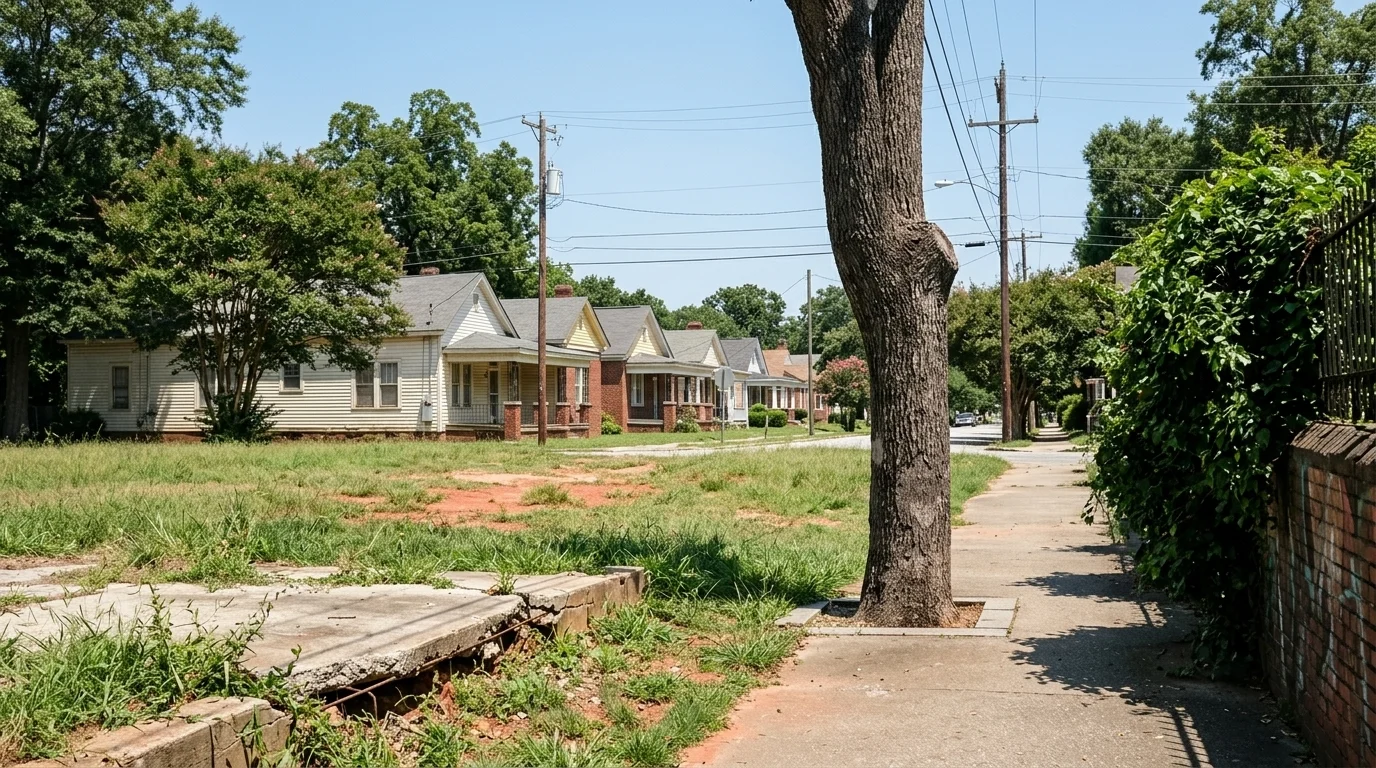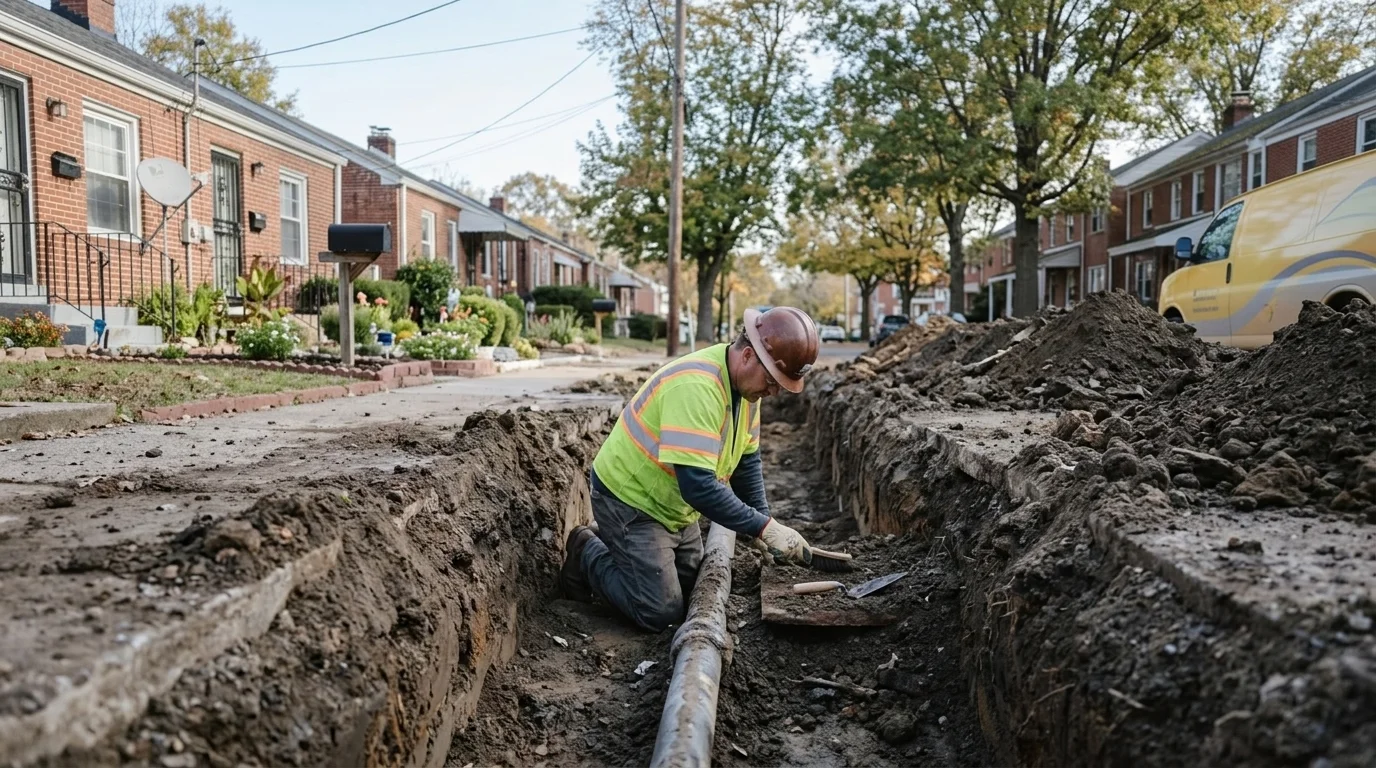
Cincinnati, Ohio is ramping up its effort to pull lead pipes out of homes across the city, moving to assemble a roster of qualified plumbers to handle what could be thousands of replacements in the years ahead.
Greater Cincinnati Water Works (GCWW), which supplies drinking water to roughly 1.1 million people across Hamilton County and parts of neighboring counties, has posted a call for plumbing contractors to carry out the work citywide. The number of lines to be replaced and the total cost haven't been disclosed, but the scale of the problem is well established: GCWW estimates tens of thousands of lead service lines remain in the ground, most of them installed from the late 1800s through the 1950s before the practice was banned in 1986.
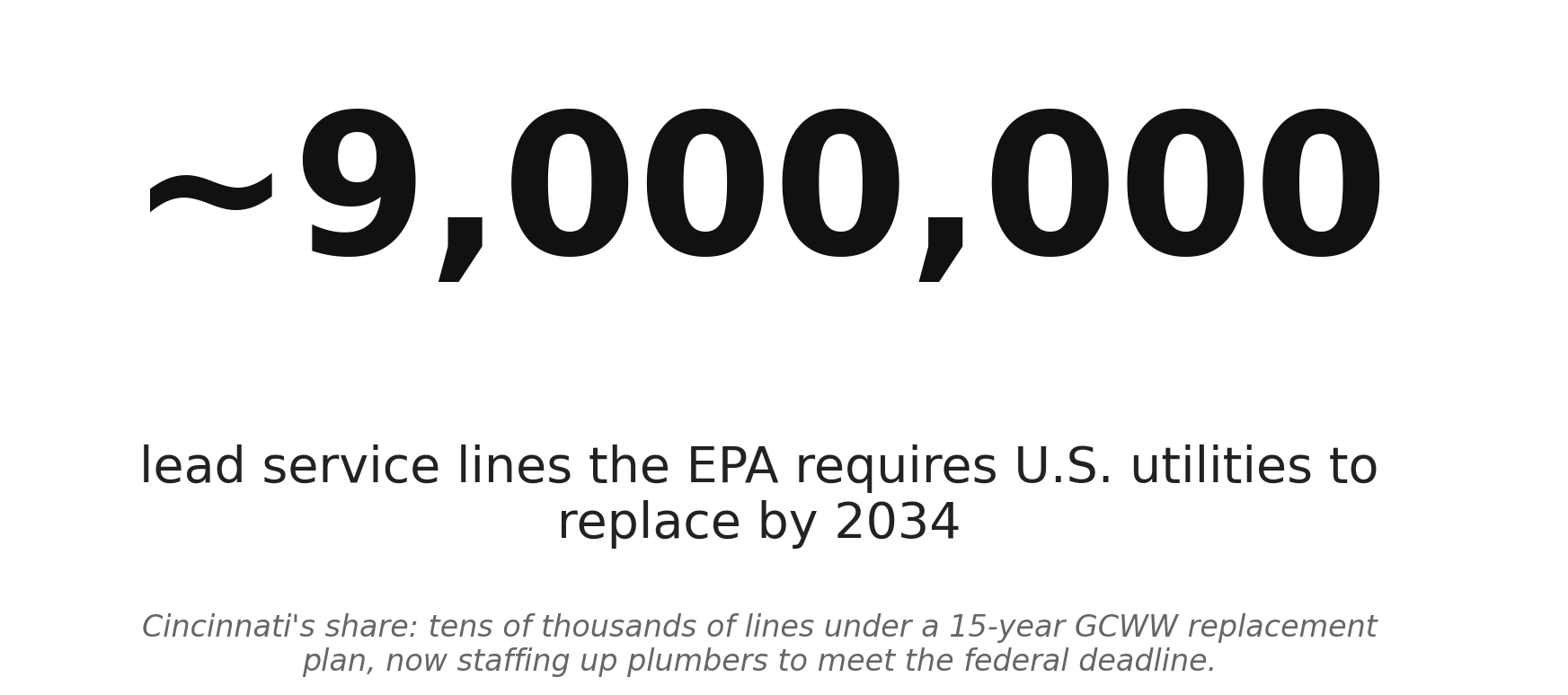
The push is part of a federal reckoning that has been building since the Flint, Mich. water crisis of 2014-2015, which made clear how corroded lead pipes could poison tap water and cause lasting harm to children. The EPA finalized strict new rules in October 2024 requiring every water utility in the country to replace all lead service lines within 10 years, a mandate covering roughly 9 million pipes nationwide. The Bipartisan Infrastructure Law set aside $15 billion to help cities cover the cost.
Source: NationGraph.
Cincinnati has been ahead of many peers on this issue. GCWW launched a lead replacement financing program in 2016 and committed in 2023 to a 15-year full-replacement plan. But the older, denser neighborhoods where lead pipes are most concentrated, Over-the-Rhine, Northside, Price Hill and Avondale, also tend to be lower-income, and early phases of the program drew criticism because homeowners bore much of the cost, leaving renters and low-income residents behind. The utility has since expanded free and subsidized replacements, particularly for schools, daycares and households that can't afford to pay.
Finding enough qualified plumbers to meet the federal timeline remains a challenge for cities across the country, similar to efforts underway in places like Minneapolis and Dubuque. Building a vetted contractor pool now gives Cincinnati the capacity to move quickly as funding flows and replacement schedules expand.