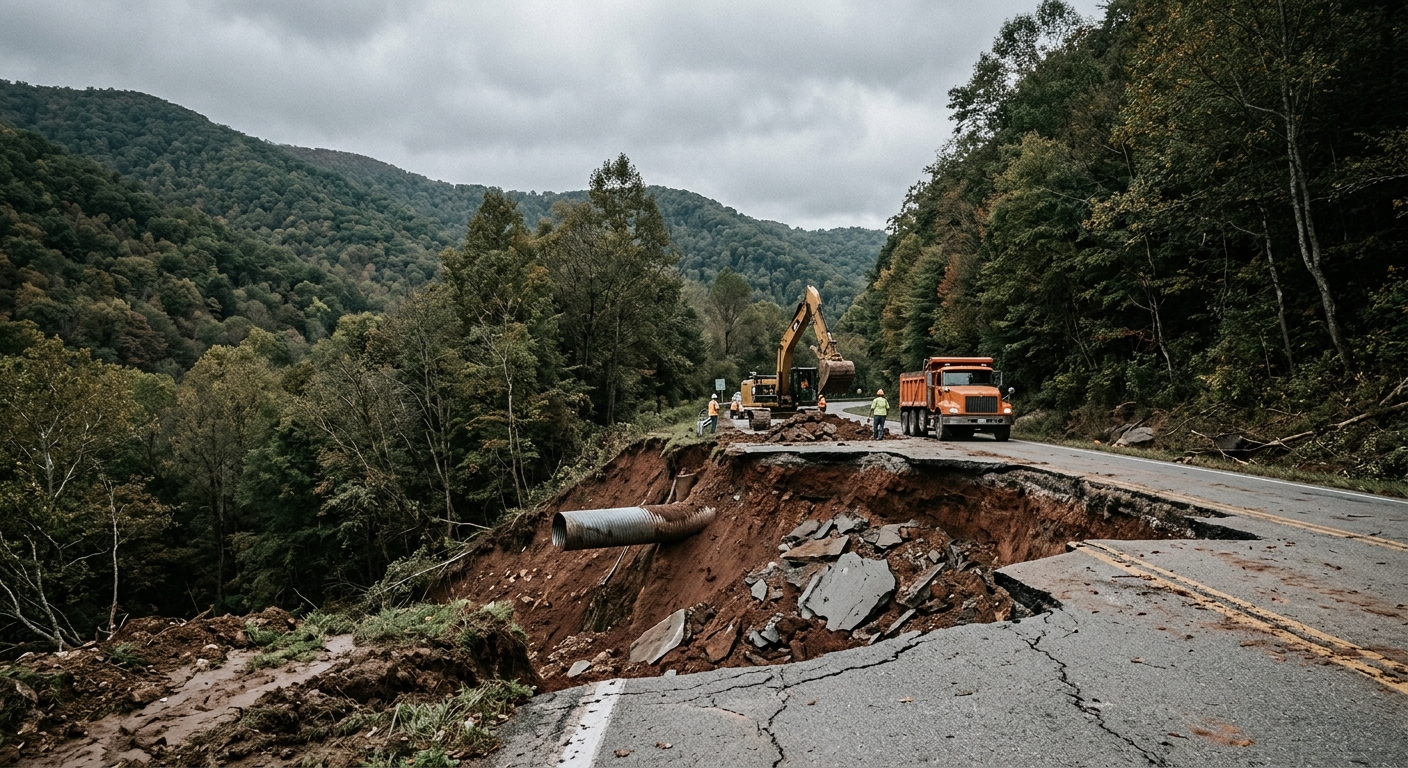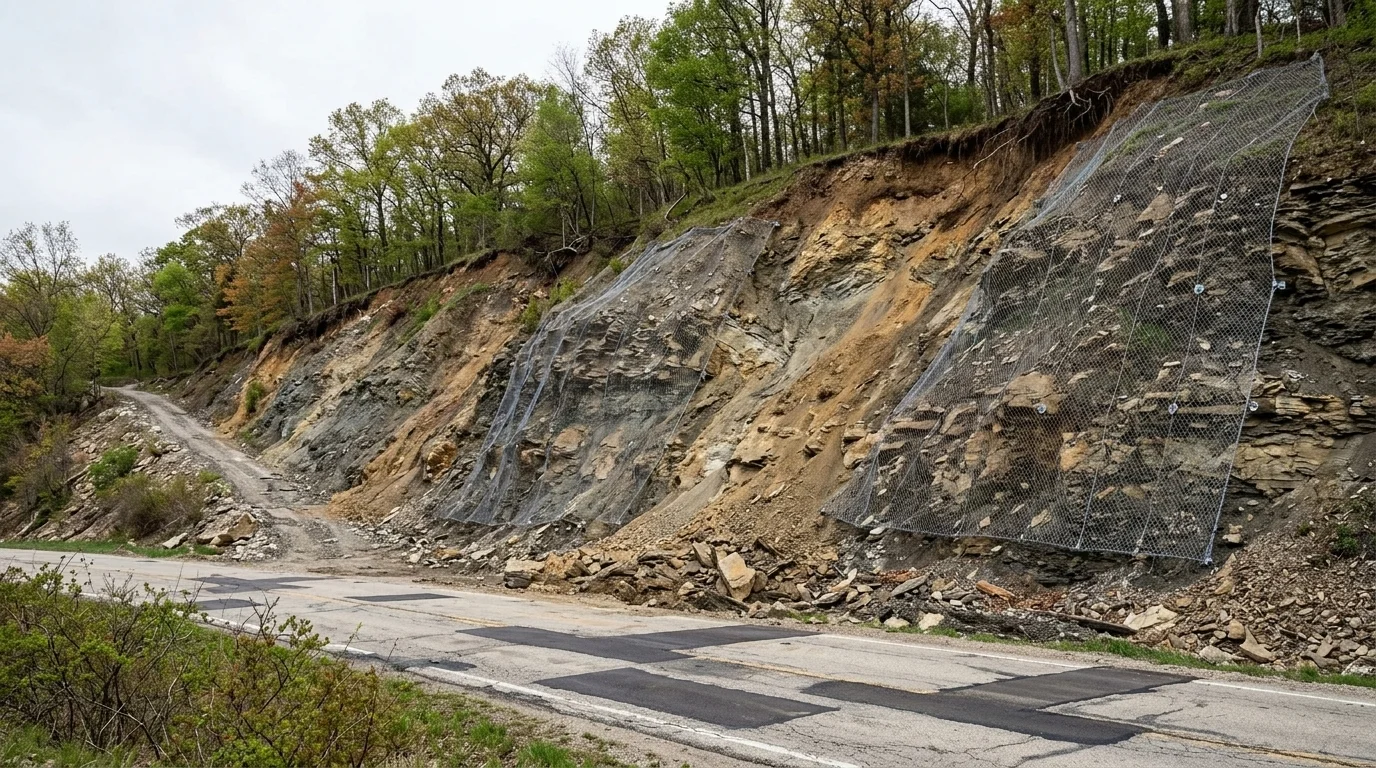
Cincinnati is moving to shore up the landslide-prone bluffs along Columbia Parkway and Riverside Drive, the eastern corridor that funnels up to 55,000 drivers a day between downtown and the city's eastern neighborhoods.
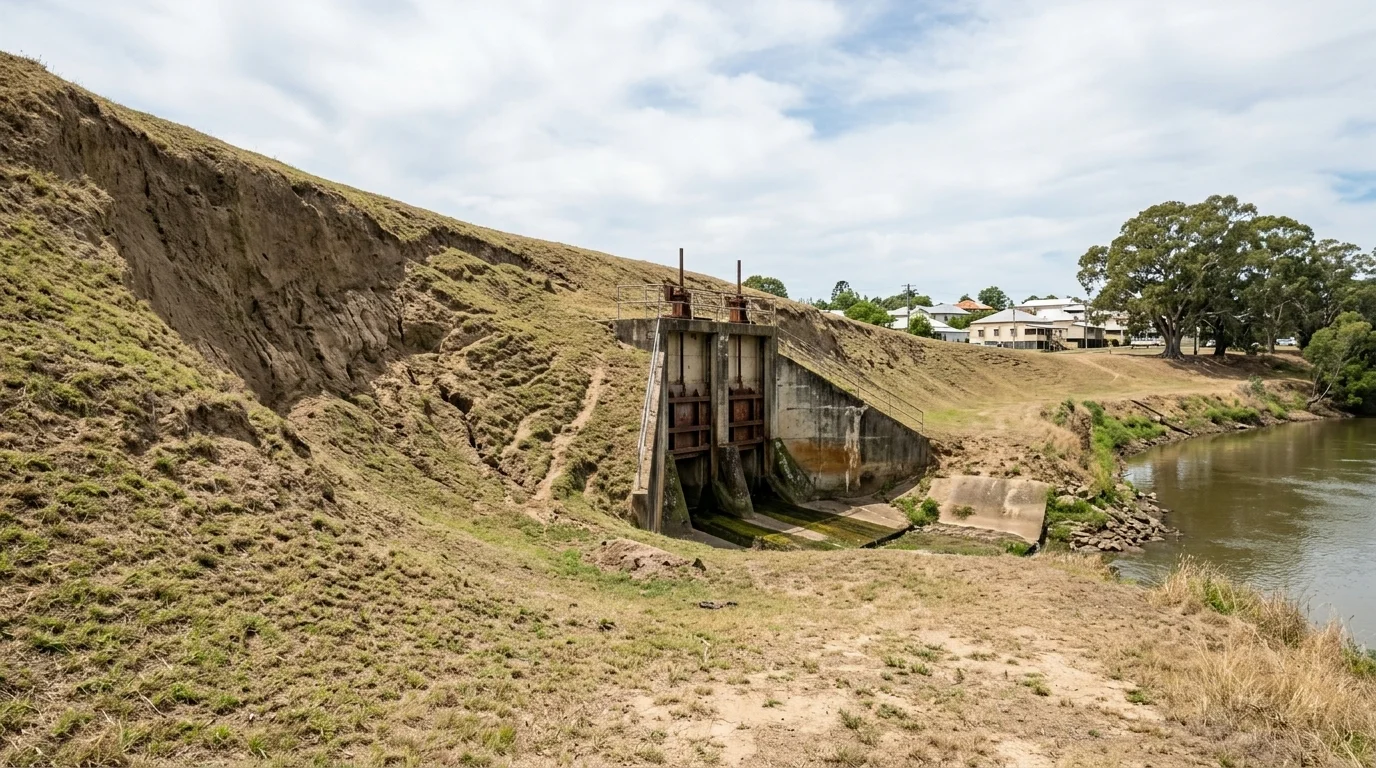
The city sits on the Kope Formation, a layered shale-and-limestone bedrock that turns slippery when wet. Hamilton County has long ranked among the most landslide-affected jurisdictions in the country, behind only the Los Angeles region in repair costs per capita, according to a landmark USGS study from the 1980s. Columbia Parkway (US-50) has closed intermittently for emergency slope work for decades. A major slide in February 2019 prompted then-Mayor John Cranley to declare it a top infrastructure priority, and the city has spent roughly $17 million on phased stabilization work along the corridor since 2020.
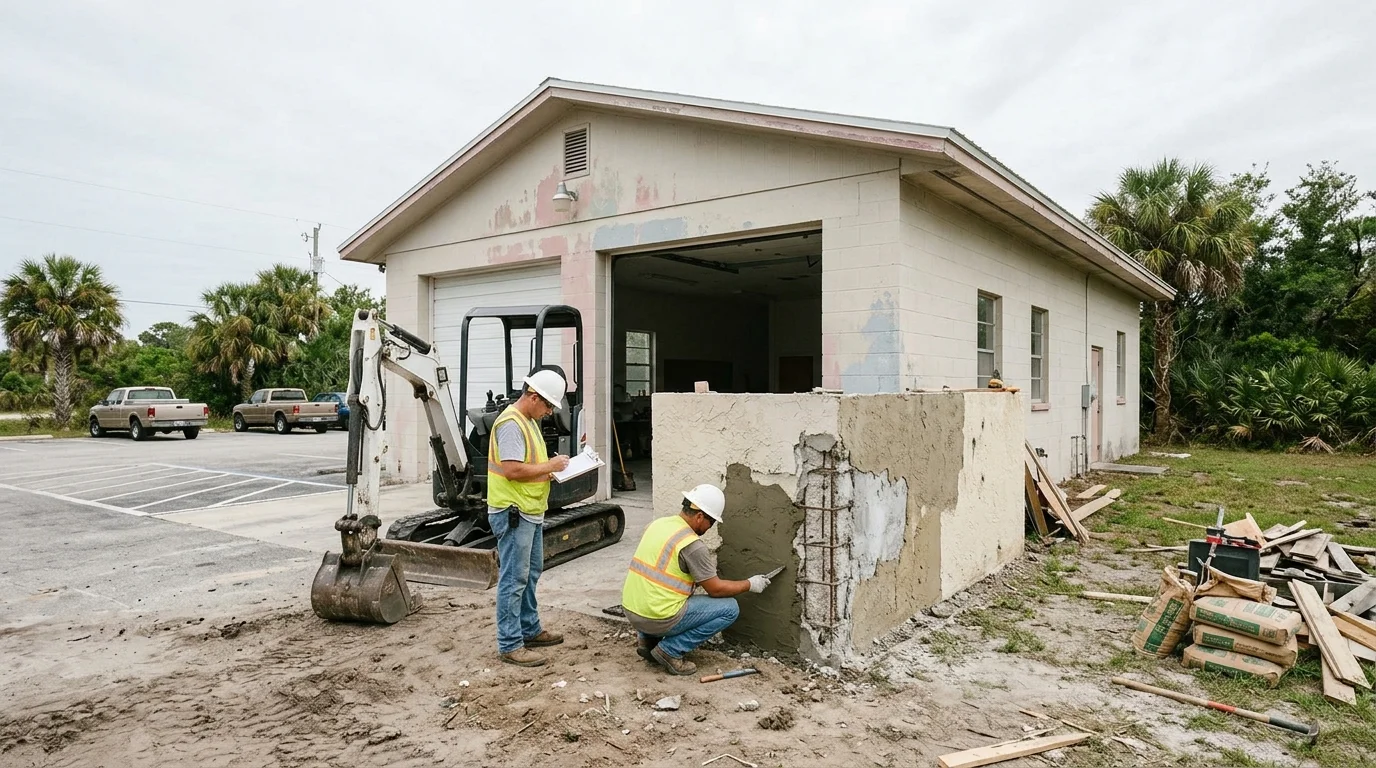
The new project, for which Cincinnati has posted a design-build solicitation, covers landslide correction at additional problem sites on both Columbia Parkway and Riverside Drive. The design-build approach, in which a single contractor handles both engineering and construction, is increasingly common for slope work because underground conditions are unpredictable and surprises can derail traditional contracts.
Source: NationGraph.
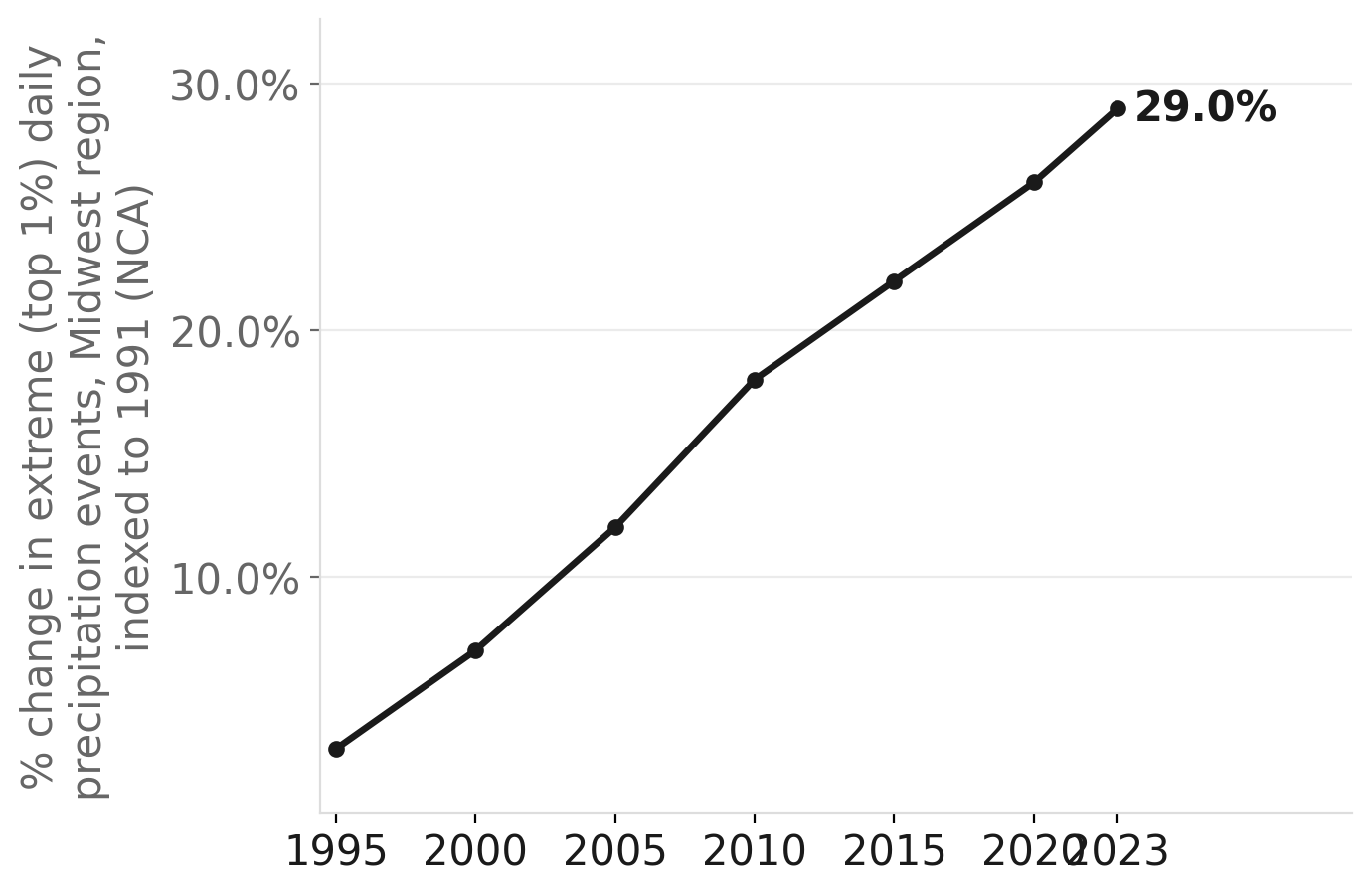
The urgency is growing. The Ohio Valley has seen a documented rise in heavy precipitation events over the past three decades, and saturated soil is the primary trigger for slides. What was once a manageable chronic problem is becoming a more acute one amid intensifying storms.
The stakes are high for two distinct communities. Columbia Parkway is the main artery for commuters from Hyde Park, Mount Lookout and Mariemont into downtown, meaning closures carry real economic consequences. Riverside Drive runs through the East End, a riverfront neighborhood undergoing significant redevelopment where road reliability affects both property values and access.
Mayor Aftab Pureval's administration has made infrastructure resilience a stated priority, and this project is part of a broader effort to work through a backlog of deferred hillside maintenance across a city defined by its hills. Cincinnati operates one of the few in-house geotechnical programs among mid-sized American cities, a reflection of just how central the landslide problem is to managing the built environment here.
A contractor has not yet been selected, and no construction timeline has been announced publicly.