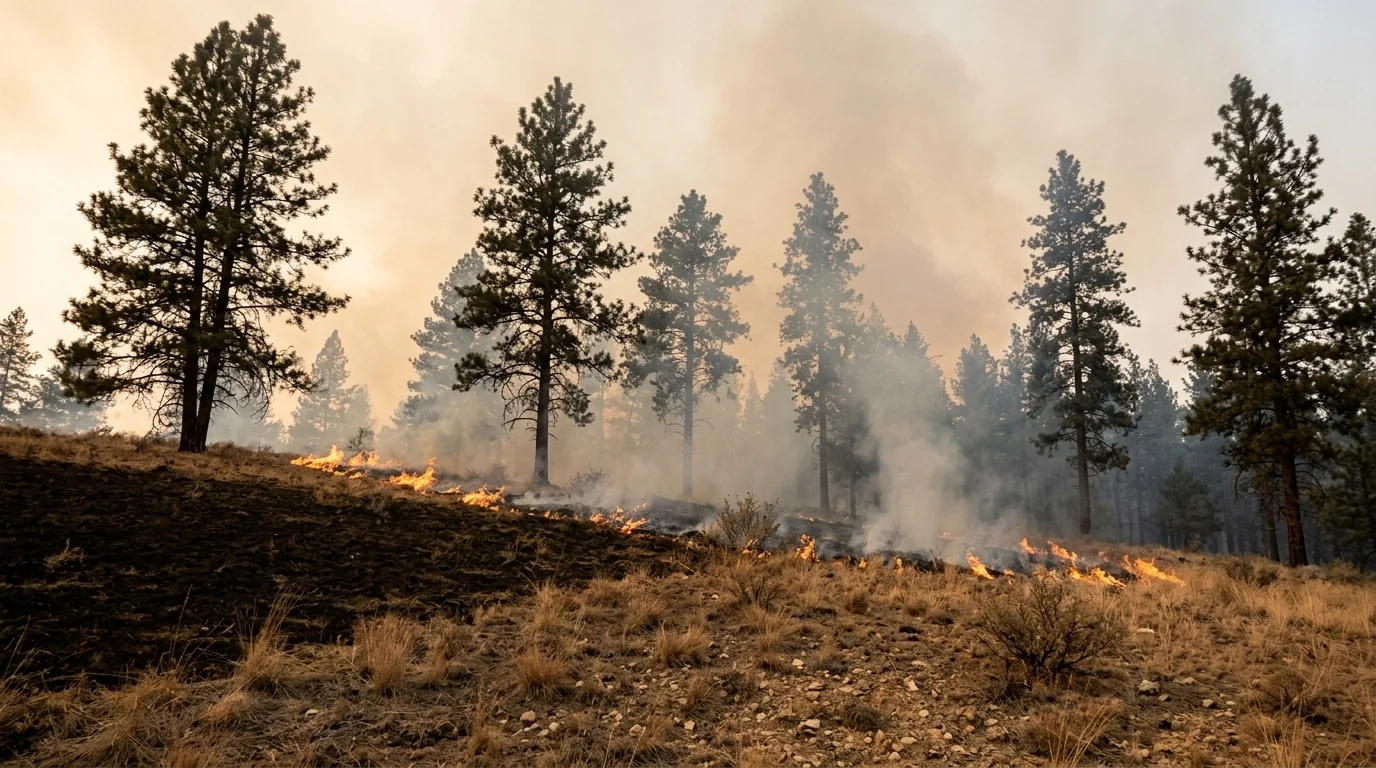
Chelan County, Washington has burned repeatedly over the past decade, and officials say one of the biggest obstacles to preventing the next catastrophe isn't fuel loads or drought. It's a century of messaging telling landowners that fire is the enemy.
The Cascadia Conservation District, based in Wenatchee, is seeking an outreach firm to run a prescribed fire education campaign targeting private landowners across the county. The goal is to shift attitudes toward intentional, managed burns as a tool for reducing wildfire risk, and to develop projects that cross the boundary between private and adjacent public lands.
The stakes are high in a county where orchards, vineyards and tourism anchors like Lake Chelan and Leavenworth's Bavarian village sit inside one of the most fire-prone landscapes in the Pacific Northwest. The 2015 Chelan Complex, the 2020 Cold Springs Fire and the 2021 Twenty-Five Mile Fire have all torn through the region in recent years, destroying homes and blanketing resort towns in smoke during peak summer season.
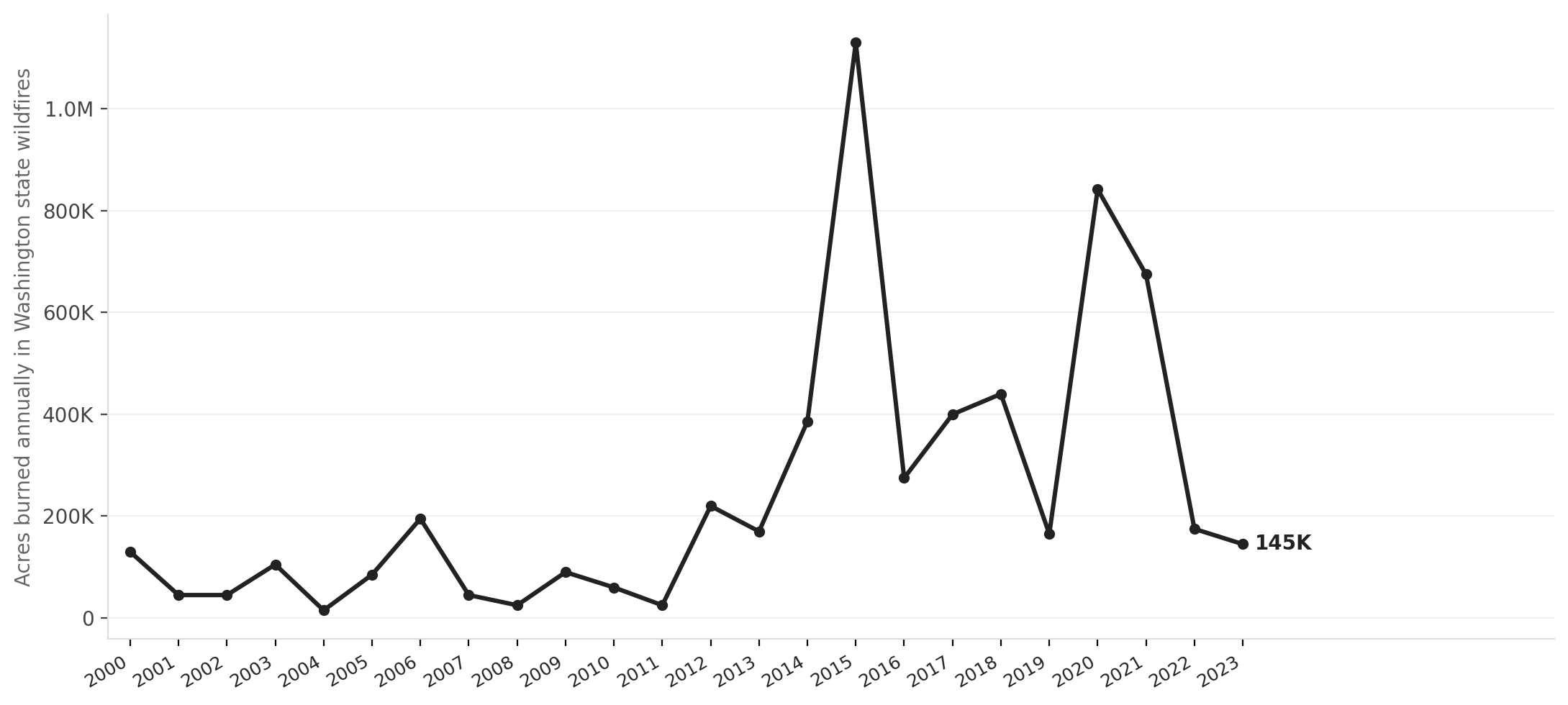
Source: NationGraph.
Roughly half of Washington's at-risk forestland is in private hands, and those landowners have historically been reluctant to burn. Liability fears, complicated permitting and generations of anti-fire conditioning have kept prescribed burning largely off private property even as neighboring forests have grown dangerously overcrowded with fuel. Washington addressed the liability piece in 2022 with a Prescribed Fire Claims Fund, and the state's 20-Year Forest Health Strategic Plan calls for treating 1.25 million acres by 2037. But getting private landowners to actually participate requires persuasion, not just policy.
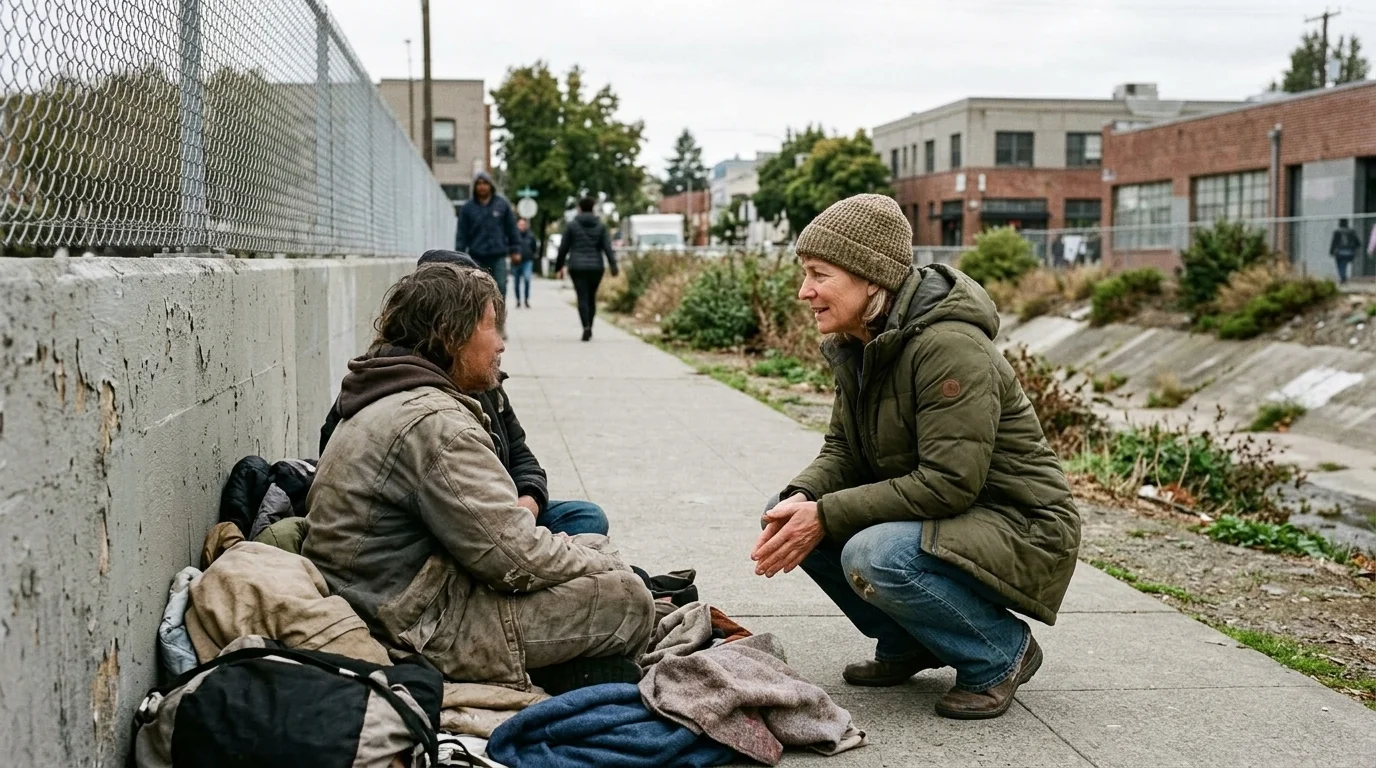
That's why the Conservation District, rather than a state fire agency, is leading this effort. Conservation Districts are non-regulatory local bodies with a long track record of earning the trust of rural landowners on sensitive issues. In a county that leans conservative and has deep roots in ranching and agriculture, the messenger matters as much as the message. Outreach framed around property rights and land stewardship tends to land differently here than climate-focused arguments from state regulators.
The work is funded through the Washington State Conservation Commission and the Washington Department of Natural Resources, part of the state's broader push under a 2021 forest health package that allocated $125 million per biennium to wildfire response and prevention.
The Conservation District plans to select a contractor June 7, with scope development and contracting beginning mid-June.