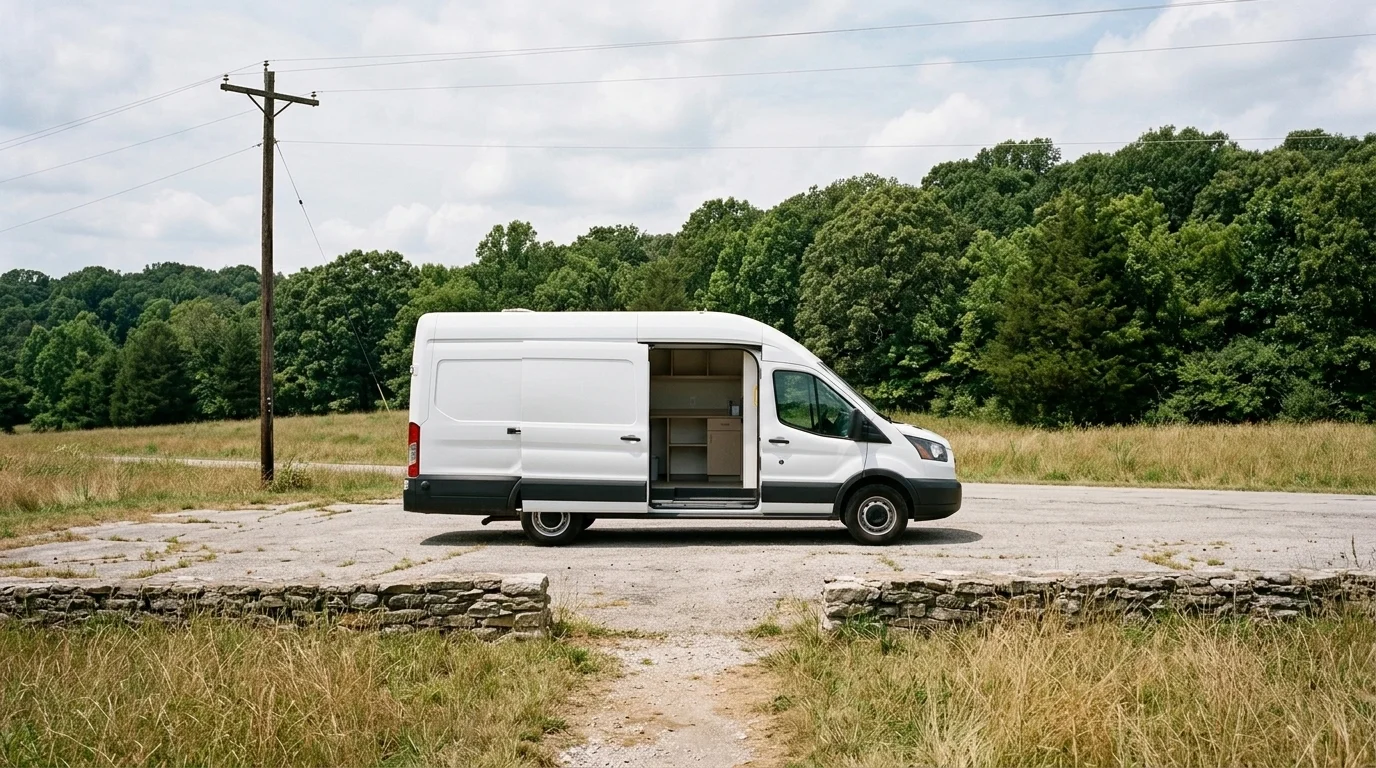
Camden County, Missouri is launching a mobile buprenorphine program to bring addiction medicine directly to residents in the rural Lake of the Ozarks region, where the nearest opioid treatment provider can be more than an hour away.
The county, home to about 47,000 permanent residents spread across a geographically sprawling stretch of central Missouri, has long faced a shortage of behavioral health providers. Large portions of the county are designated federal Health Professional Shortage Areas for mental health care. For residents in outlying communities, that shortage has meant that getting treatment for opioid use disorder often requires a long drive that many can't or won't make, particularly those without reliable transportation.
The mobile program centers on buprenorphine, one of three FDA-approved medications for opioid use disorder. Clinical research consistently shows it cuts overdose death risk by roughly half. Until recently, prescribing it required special federal certification, a barrier that kept many rural providers out of addiction medicine. Congress eliminated that requirement in late 2022, and a 2021 DEA rule removed a separate registration hurdle for mobile treatment units, clearing the path for programs like Camden County's.
Source: NationGraph.
Funding for the effort almost certainly draws on Missouri's share of the national opioid settlements reached with Purdue Pharma, Johnson & Johnson, and major pharmaceutical distributors, money that began flowing to counties in 2022 and continues through 2038, with a significant portion legally required to go toward evidence-based treatment.
The county is now seeking a provider to operate the program. The full contract value and service area boundaries were not available in the posted solicitation.
The move is a notable shift for a county, and a state, that have historically lagged on addiction policy. Missouri was the last state in the country to establish a prescription drug monitoring program, doing so only in 2021. That same year, Missouri voters approved Medicaid expansion over legislative resistance, finally extending coverage for addiction treatment to a large share of low-income residents. The combination of new coverage, post-pandemic overdose pressures and loosened federal prescribing rules appears to be driving counties like Camden to act.
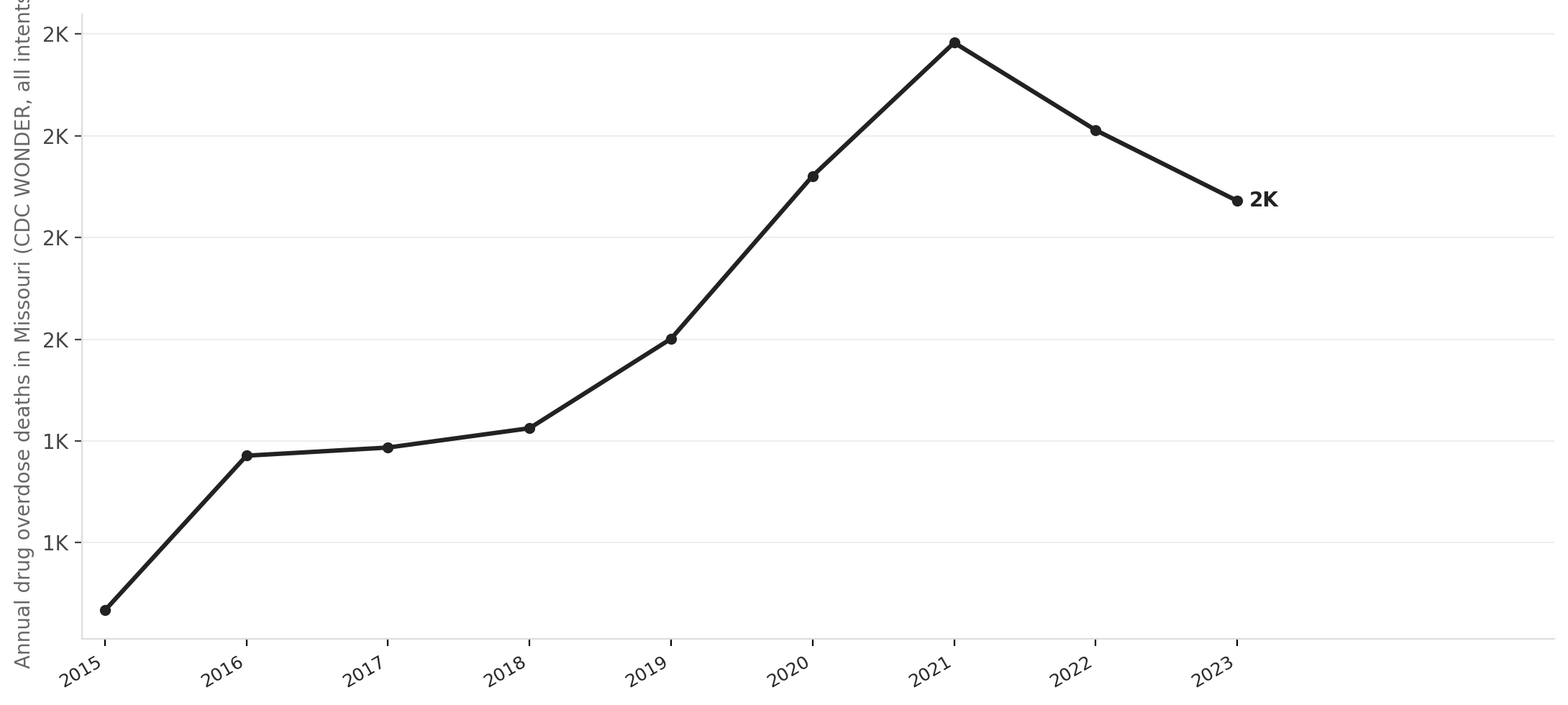
The opioid crisis has hit rural Missouri hard. Nationally, roughly 107,000 Americans died of overdoses in 2023, with fentanyl driving the majority of deaths, though numbers began to decline in 2024. Tourism and construction, the economic backbone of the Lake of the Ozarks area, are industries with historically elevated rates of substance use disorder.
How many patients the program will serve and when the mobile unit will begin operating will depend on which provider the county selects.