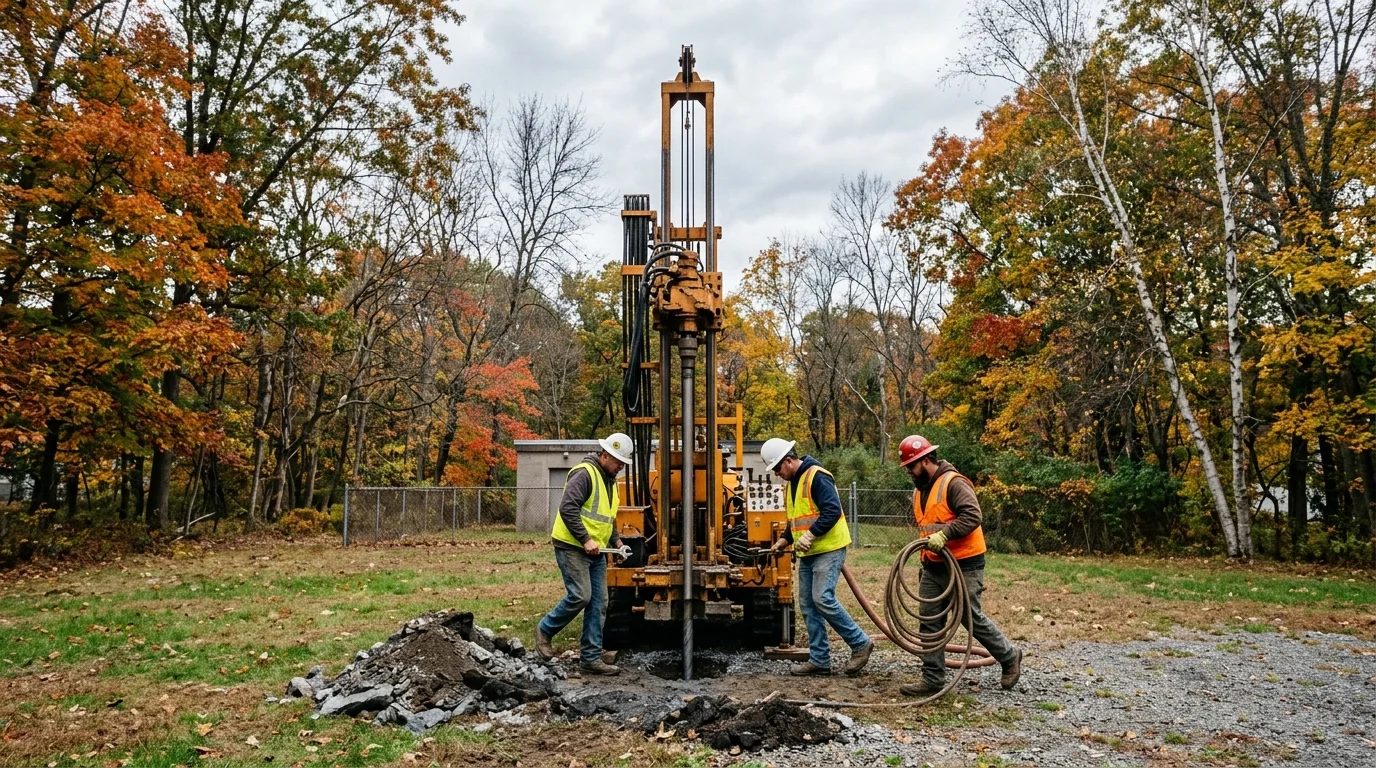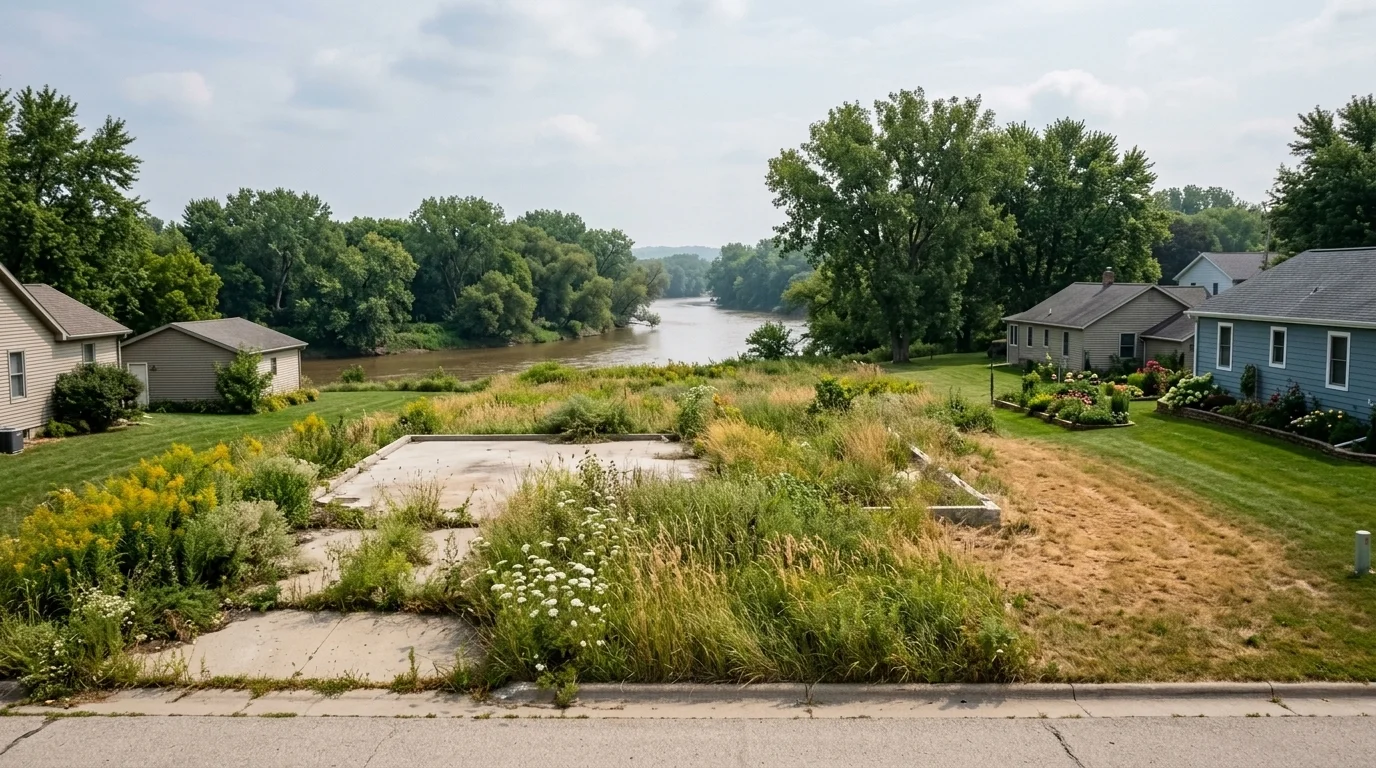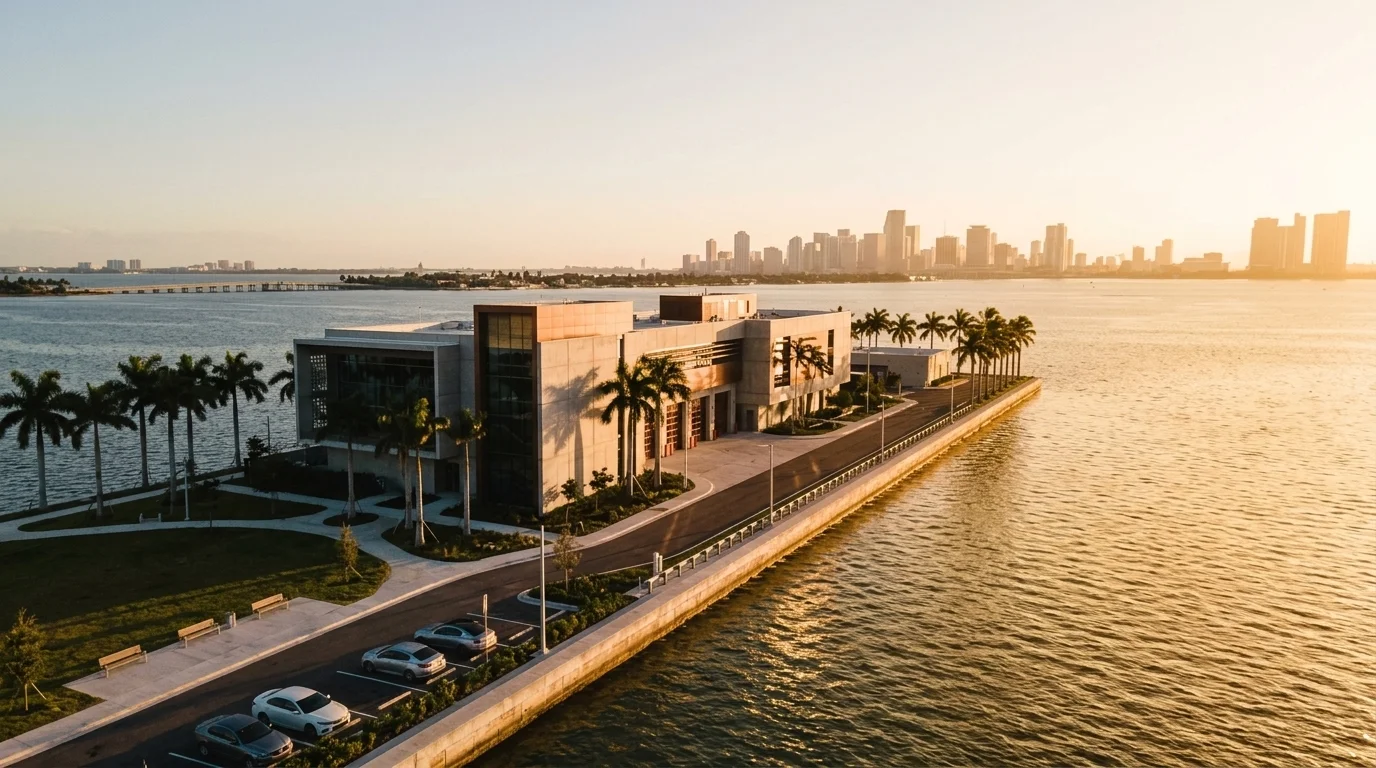
California's coastal cities have spent years producing sea level rise studies. Now the state wants them to act on those studies, and is putting $32.9 million on the table to help them do it.
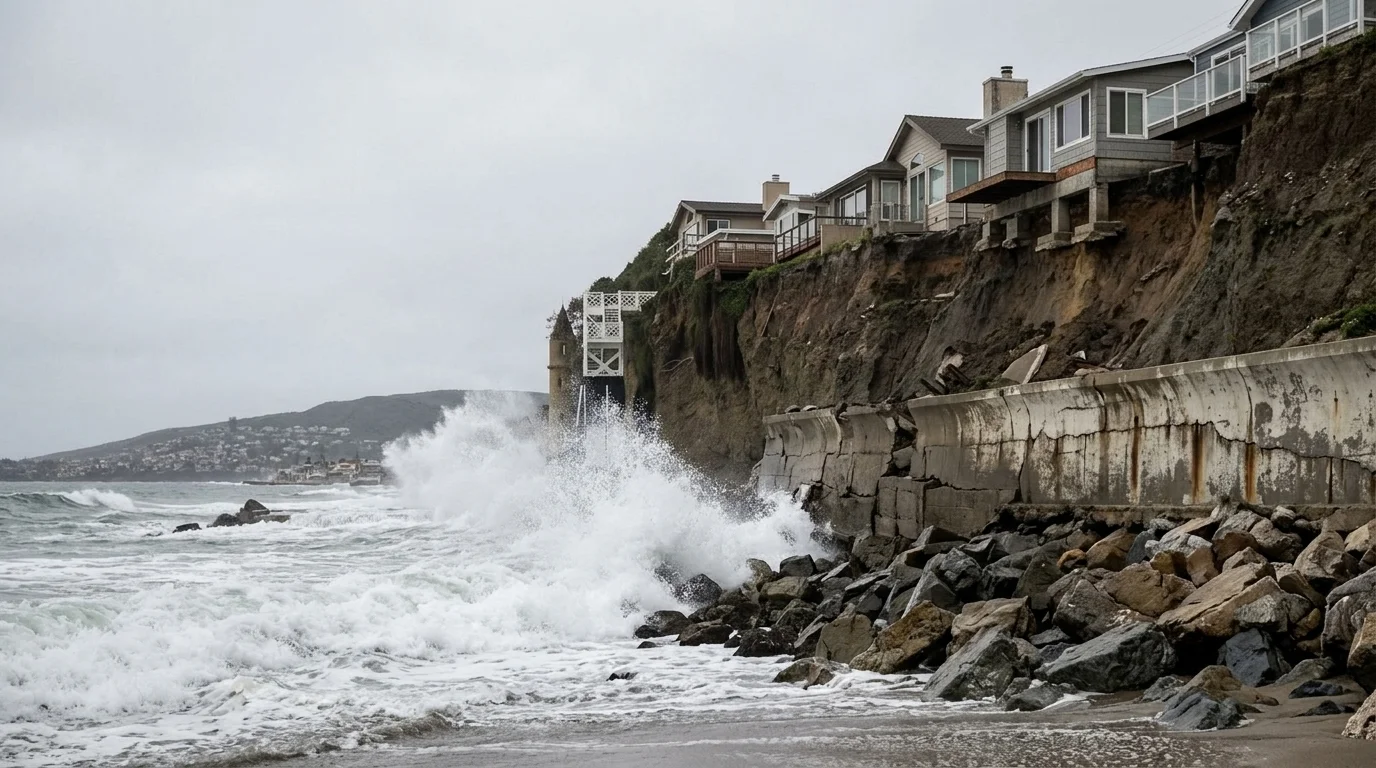
The Ocean Protection Council has opened its SB 1 Sea Level Rise Adaptation Grant Program to applications, directing funding toward both planning and on-the-ground resilience projects along California's 840 miles of open coast and more than 400 miles of San Francisco Bay shoreline. State projections warn of up to three feet of sea level rise by 2050 under intermediate scenarios, threatening an estimated $150 billion in coastal property along with critical infrastructure: SFO and Oakland airports, stretches of Highway 1, wastewater treatment plants, and the ports of Los Angeles and Long Beach all sit at or near sea level.
The program, authorized by Senate Bill 1 signed by Governor Newsom in 2021, splits funding into two tracks: one for planning and one for implementing concrete adaptation projects. The planning track received a significant update on Aug. 3, 2026, aligning its requirements with frameworks from the California Coastal Commission and the Bay Conservation and Development Commission's Regional Shoreline Adaptation Plan. That alignment is meant to end years of fragmented, inconsistent local planning that sometimes produced conflicting strategies between neighboring jurisdictions.
The money flows from California's Cap-and-Invest program, the state's carbon auction system reauthorized through 2045 in 2025 legislation, giving the grant program a stable long-term revenue source. A separate parallel initiative, the Sea Level Rise Tribal Cultural Resources Funding Program, runs alongside this effort specifically to protect Indigenous coastal heritage sites.
Previous SB 1 rounds in 2022 and 2023 awarded roughly $30 million to dozens of communities including San Diego, Humboldt County, and several Bay Area jurisdictions. But the politics of coastal adaptation remain contested: wealthy shoreline communities have pushed for protective seawalls and beach nourishment, while scientists and the Coastal Commission have increasingly pushed for managed retreat, relocating vulnerable structures away from the water. That fight has played out most visibly in Del Mar, Pacifica, and Imperial Beach.
Planning grant applications are accepted on a rolling quarterly basis, with proposals reviewed at scheduled OPC Council meetings. Communities interested in funding should check the OPC website for the current submission window.