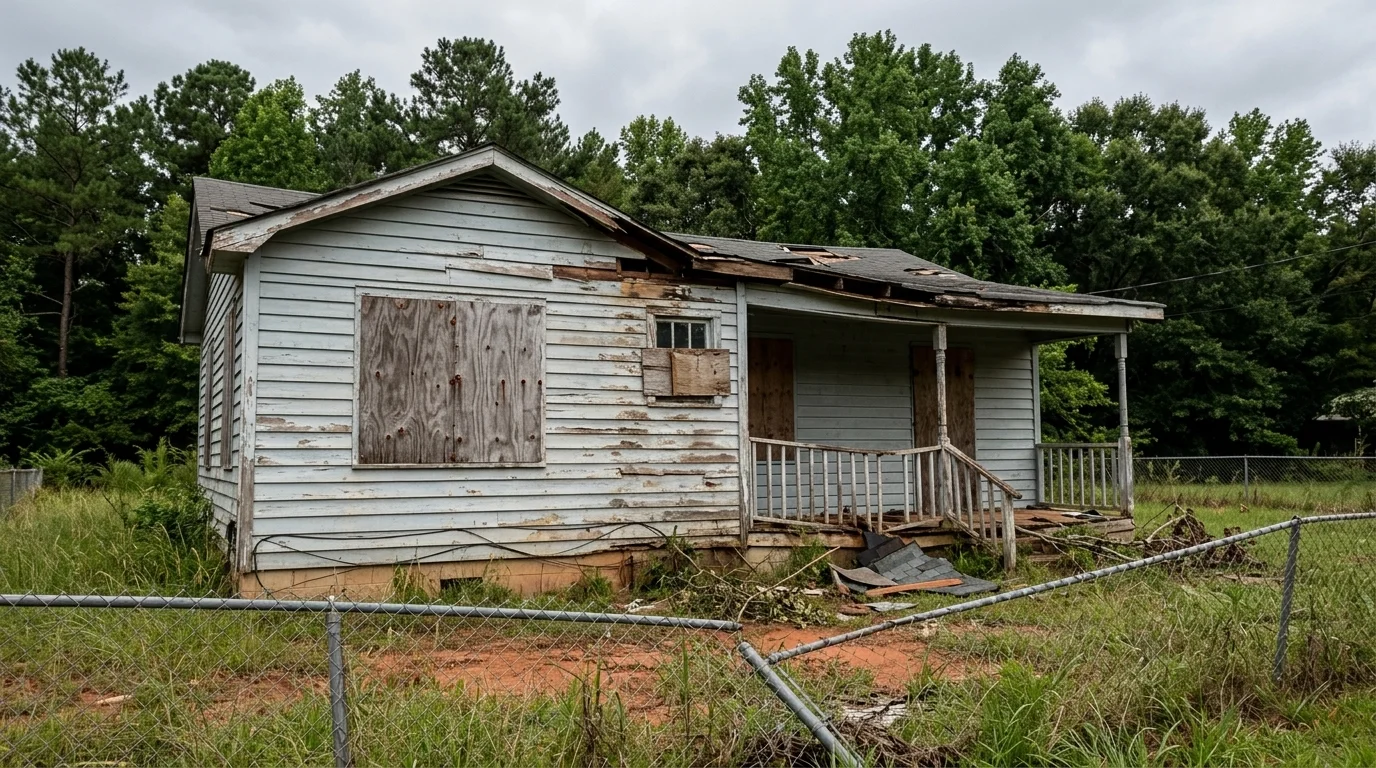
A disabled resident in Bloomingdale, N.Y. is facing the loss of their home, and a regional nonprofit is moving on an emergency timeline to replace it before conditions worsen.
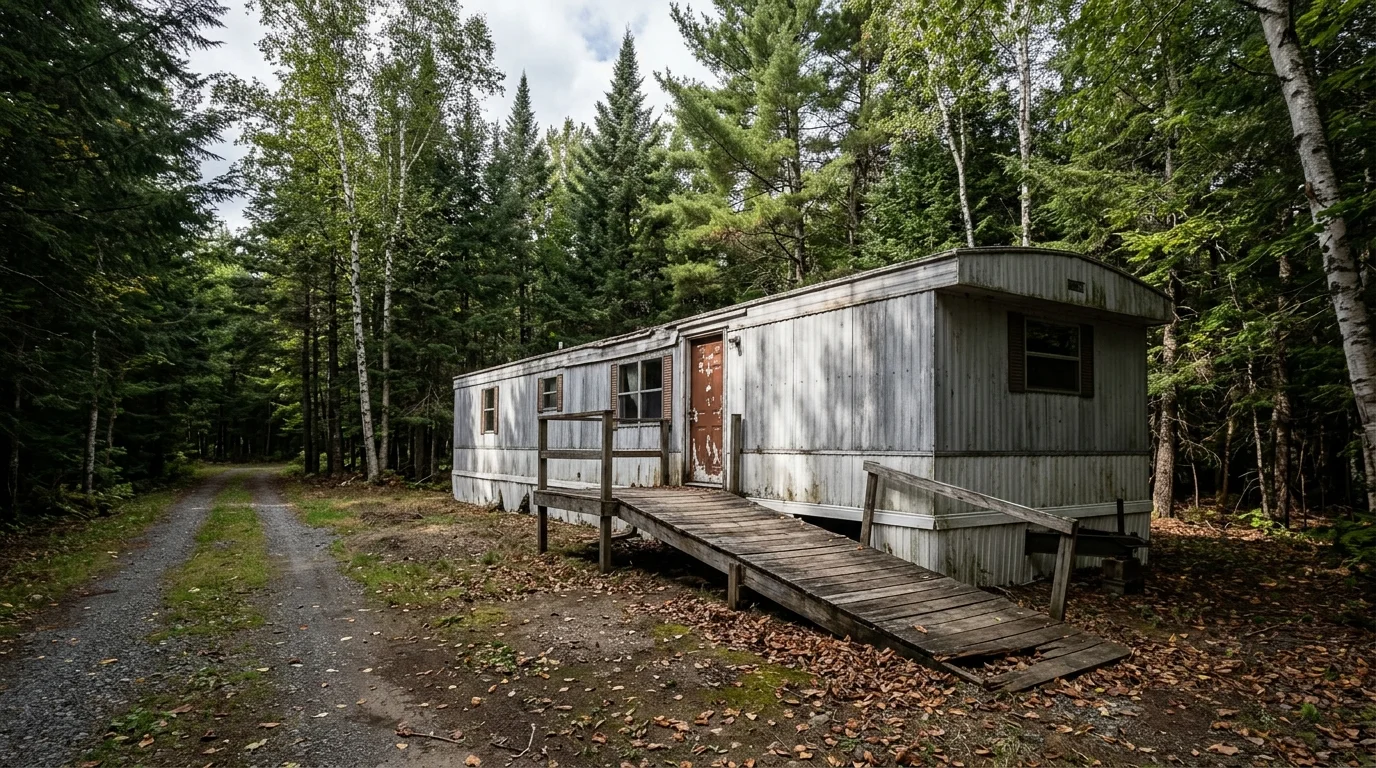
The North Country Rural Development Coalition, one of the few nonprofits equipped to manage federally funded housing work in the remote Adirondacks, is seeking contractors to tear down an existing manufactured home and replace it with a new two-bedroom, double-wide, fully electric, ENERGY STAR-certified unit built to full wheelchair-accessibility standards. The project is listed on NRDC's website. The one-week emergency bid window signals a household already in crisis, likely a home that has failed inspection or been deemed uninhabitable.
Bloomingdale is a hamlet of roughly 300 people in Essex County, deep inside the Adirondack Park, about 10 miles from Saranac Lake. The region has some of the harshest winters in New York, a high concentration of pre-1976 manufactured homes that predate federal energy and safety codes, and a severe shortage of accessible housing. For a disabled rural resident here, losing a home can mean institutional care hours away in Plattsburgh or Glens Falls.
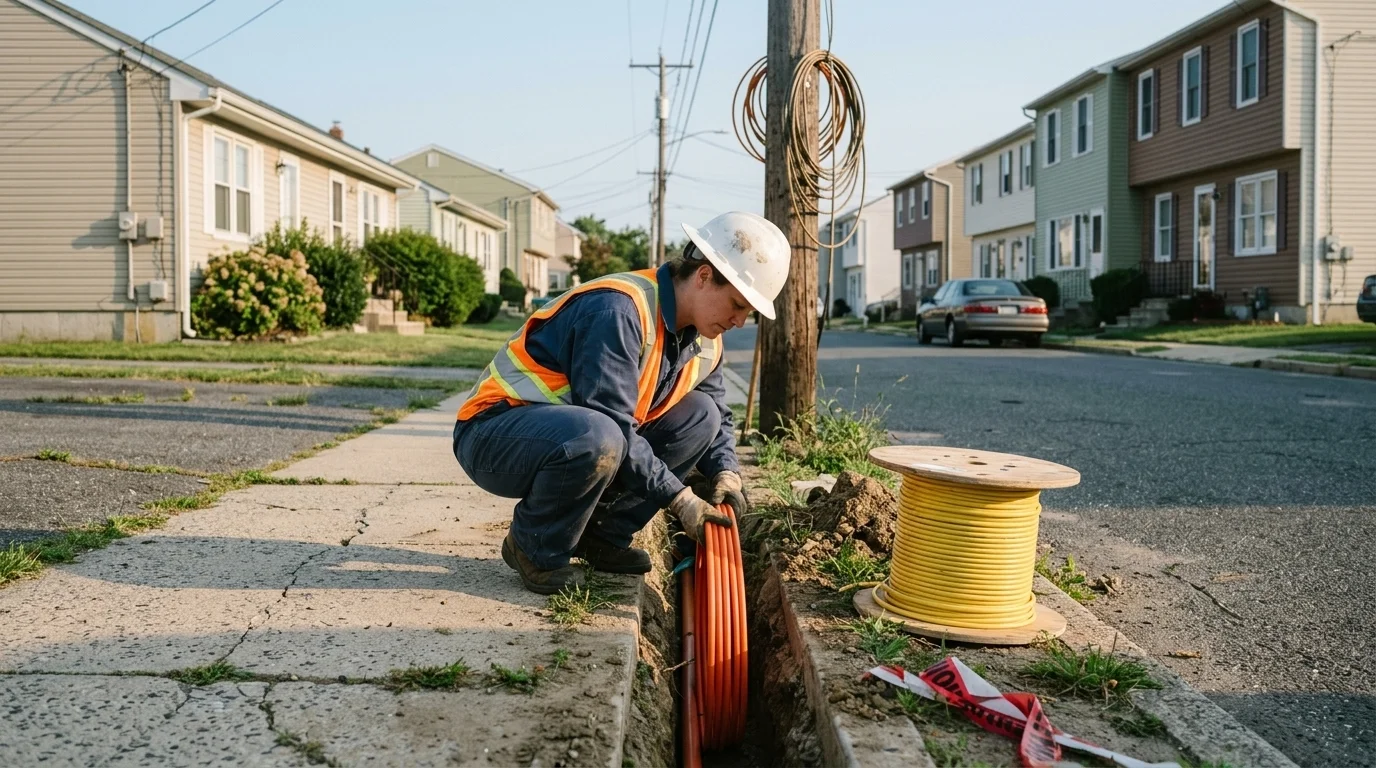
The replacement scope is extensive: beyond the new home itself, work includes a frost-protected permanent foundation, a new septic system, accessible kitchen and bathroom, front and rear metal ramps, a paved accessible driveway and parking area, utility connections, and a whole-house standby generator. That last item reflects a practical reality in the North Country: New York's climate law pushes publicly funded housing toward all-electric systems, but frequent Adirondack power outages make backup generation a necessity rather than a luxury.
Manufactured homes make up a disproportionately large share of rural housing stock across the North Country, and many are too deteriorated to retrofit affordably for wheelchair use. New York's Manufactured Home Replacement Program, administered through the state's Homes and Community Renewal agency using federal HOME funds channeled through regional nonprofits like NRDC, has handled similar projects across the region over the past decade. The replacement model, demolish and build new on a permanent foundation, emerged as the more cost-effective path when older mobile homes are too far gone to rehab.
Contractor availability is a persistent challenge in this remote geography, which may partly explain why NRDC structured the bid to allow either a single turnkey contractor or separate teams splitting the home-supply and site-work packages. The compressed timeline makes finding qualified, local trades even harder.
Proposals were due by 9 p.m. ET on Aug. 5, 2026. If contractors are secured quickly, the project timeline will determine whether the resident has a safe, accessible home before the Adirondack winter sets in.