Seventy-two seawall and coastal hardening contracts hit the market in October 2026 alone, crossing 22 states, compared to 14 in the same month a year earlier. That five-fold year-over-year spike is not a seasonal blip. It is the visible shape of a procurement dam-burst: 56 institutions in 7 states issued construction RFPs in just the last 60 days, roughly 2.6 times the prior 12-month bimonthly average, as communities that survived 11 months of federally mandated paralysis now race to convert restored grant awards into concrete and steel before the next Atlantic hurricane season.
The freeze that created this surge began on April 4, 2025, when the Trump administration terminated FEMA's Building Resilient Infrastructure and Communities program, calling it wasteful and directing roughly $882 million in congressionally appropriated funds back to Treasury. What followed was, by the September 2026 account of the Government Accountability Office, an 11-month period in which FEMA headquarters provided no actionable guidance to regional staff while a $2.2 billion backlog of approved, stalled projects sat idle. A coalition of more than 20 states filed suit in July 2025. A federal judge issued a permanent injunction that December and a court enforcement order on March 6, 2026. FEMA issued a combined FY2024-FY2025 Notice of Funding Opportunity on March 25, 2026, reopening a $1 billion competitive pool with a July 23, 2026 application deadline. Communities that cleared that window are now procuring construction, which explains why the fall 2026 RFP surge landed where it did.
Florida accounts for half the total, with 28 institutions active across the trailing 60 days, spanning every exposed coast: Pinellas, Broward, Palm Beach, Miami-Dade, Monroe, Lee, and Charlotte counties all show active procurements. That concentration reflects both the length of Florida's coastline and the scale of its hurricane recovery needs following the 2024 storm season. It also reflects a narrower administrative fact: the Florida Division of Emergency Management restricted BRIC sub-applications in 2026 to communities that had previously applied, limiting the field to those that had already done the planning work before the freeze hit. The result is a cohort of prepared communities all issuing contracts at the same moment.
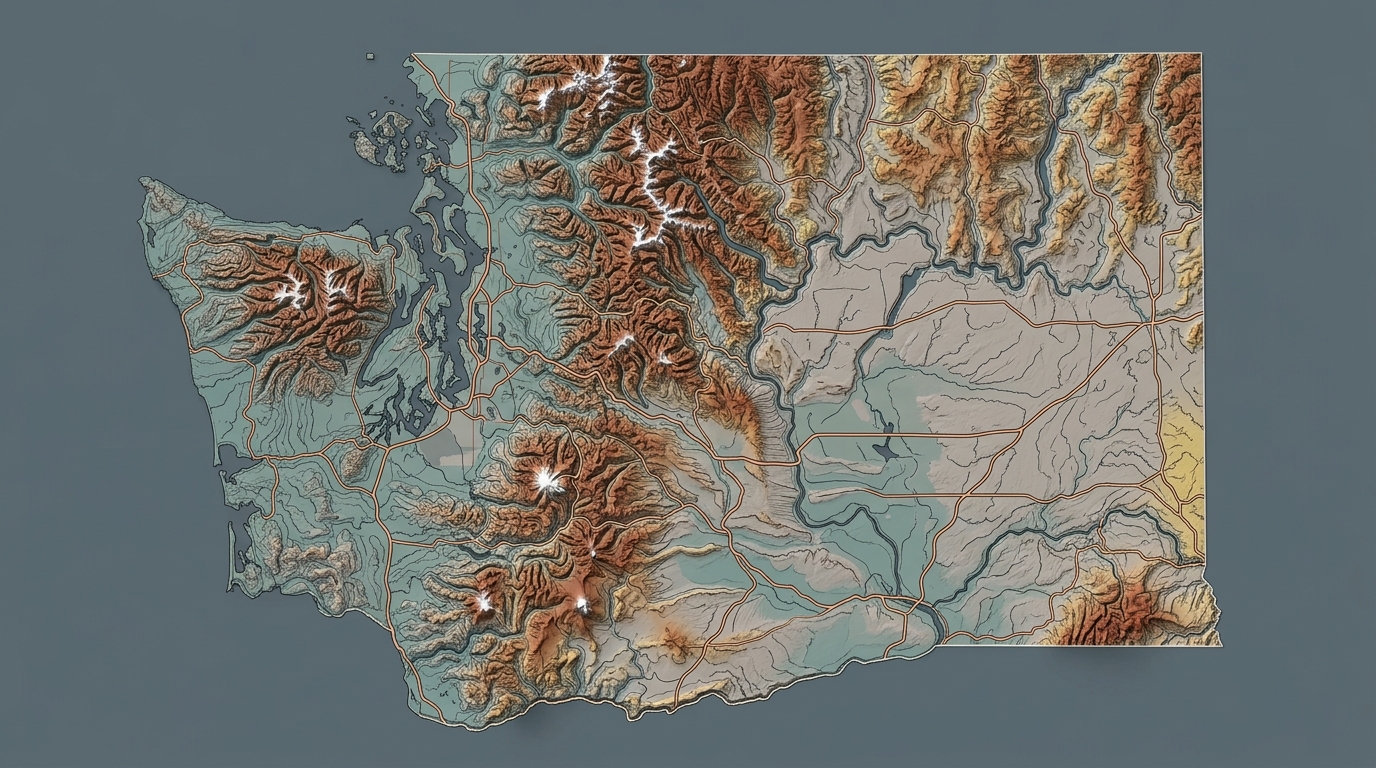
The procurement wave is not purely a Florida story. Michigan accounts for six institutions, a reminder that coastal hardening is a Great Lakes issue as much as an ocean one; active procurements include the Marysville water plant seawall, Muskegon Harbor, and New Buffalo's Lake Michigan shoreline. Washington State has five institutions in the mix on the Pacific side. The common thread across all seven states is not geography but bureaucratic exposure: these are communities that had projects frozen in 2025, or that pivoted to alternative funding while BRIC was dark, and are now all procuring simultaneously.
The New England cluster, covering Massachusetts, Connecticut, and New Hampshire, is being driven in part by a separate federal mechanism. A $17 million Pre-Disaster Mitigation tranche authorized through the FY2026 Homeland Security Appropriations Act funded named seawall projects, including the Scituate Cedar Point Seawall at $1.1 million and Bristol Seawall Repair at $660,000. Connecticut's four RFPs, clustered in Long Island Sound-adjacent towns including Groton Long Point, Old Saybrook, East Lyme, and Westport, appear to have been issued on the same date, suggesting a coordinated state-level procurement push rather than independent local decisions. BRIC and PDM are distinct programs operating through different statutory mechanisms; both are federal grants disbursed directly to state and local governments, but the competitive BRIC pool is the primary engine of the nationwide surge.
None of this means the thaw is clean. As of November 2026, three BRIC-funded flood-resilience projects totaling $150 million in South Florida remain in permitting limbo, even after a record king tide at Miami's Virginia Key gauge demonstrated what the delay costs in real terms. In California, CBS News has reported that FEMA has not approved any pending BRIC projects despite the official reinstatement, with some communities abandoning projects altogether because construction costs rose during the 11-month gap. The GAO found no evidence that FEMA developed a plan to address the backlog even after the court order took effect.
For residents in any of the 22 states where October RFPs landed, the immediate signal is that project timelines are compressing. Communities issuing construction contracts now are targeting completion windows ahead of the June 2027 Atlantic hurricane season open, which means design reviews, environmental permits, and contractor negotiations are all happening in parallel rather than in sequence. The next thing to watch is whether FEMA's regional offices can process the permitting and compliance reviews fast enough to keep pace with the procurement wave. If the administrative backlog persists even as construction contracts are signed, the gap between a funded project and a finished seawall could stretch well past the deadline the contracts are designed to meet.