Washington state has issued 46 water infrastructure RFPs in the 30 days ending November 19, 2026, against a trailing 12-month average of roughly 9 per month. That is a 5.1x surge, and the shape of the weekly data tells the story more clearly than the monthly total: in the single week of October 19-25, 30 distinct agencies across 24 counties put out 32 solicitations simultaneously. That is not a procurement backlog clearing. It is what happens when dozens of local governments receive checks on the same day.
The proximate cause is the Washington State Public Works Board's October 2, 2026 award of $214 million in state-appropriated grants and low-interest loans to 65 local governments, announced by the Washington State Department of Commerce. The package included $205 million for 47 construction projects spread across 24 counties, $4.3 million for six projects specifically designated under a one-time December 2025 Flood Resilience Grant program, and an emergency project grant. Awards were announced publicly on October 7. By October 19, the procurement wave had begun.
The ten-week gap between Governor Bob Ferguson's December 10, 2025 emergency declaration and the federal Major Disaster Declaration approved by President Trump on April 11, 2026, was just the first clock. The more important one was the PWB's own application cycle, which ran June 1 through July 31, 2026, absorbing the flood-driven demand from every city, county, and special district that had suffered infrastructure damage. The two-week lag from award announcement to RFP wave reflects standard timelines: a local government that learns it has funding on October 7 needs roughly ten business days to authorize a competitive solicitation. That math checks out almost exactly.
The December 2025 floods gave Washington's water systems their hardest test in recorded history. Governor Ferguson's emergency proclamation described the event as the state's largest public infrastructure disaster on record, with levee breaches in Cowlitz County, boil-water orders across multiple jurisdictions, and turbidity shutdowns at municipal intakes that knocked out drinking water service for days. Ferguson subsequently submitted a $182.3 million FEMA Public Assistance request in February 2026 to repair state-owned infrastructure alone, a figure that excluded some highway categories and all locally-owned systems.
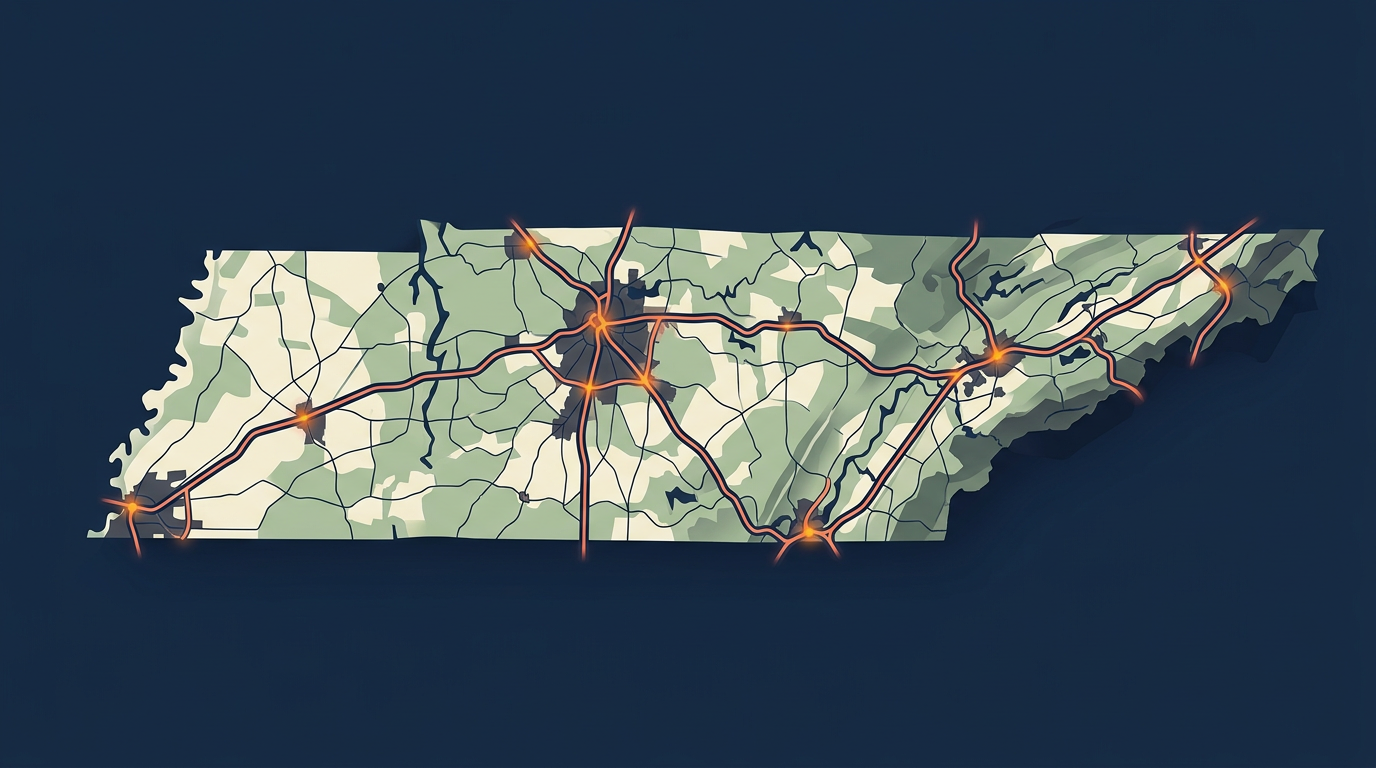
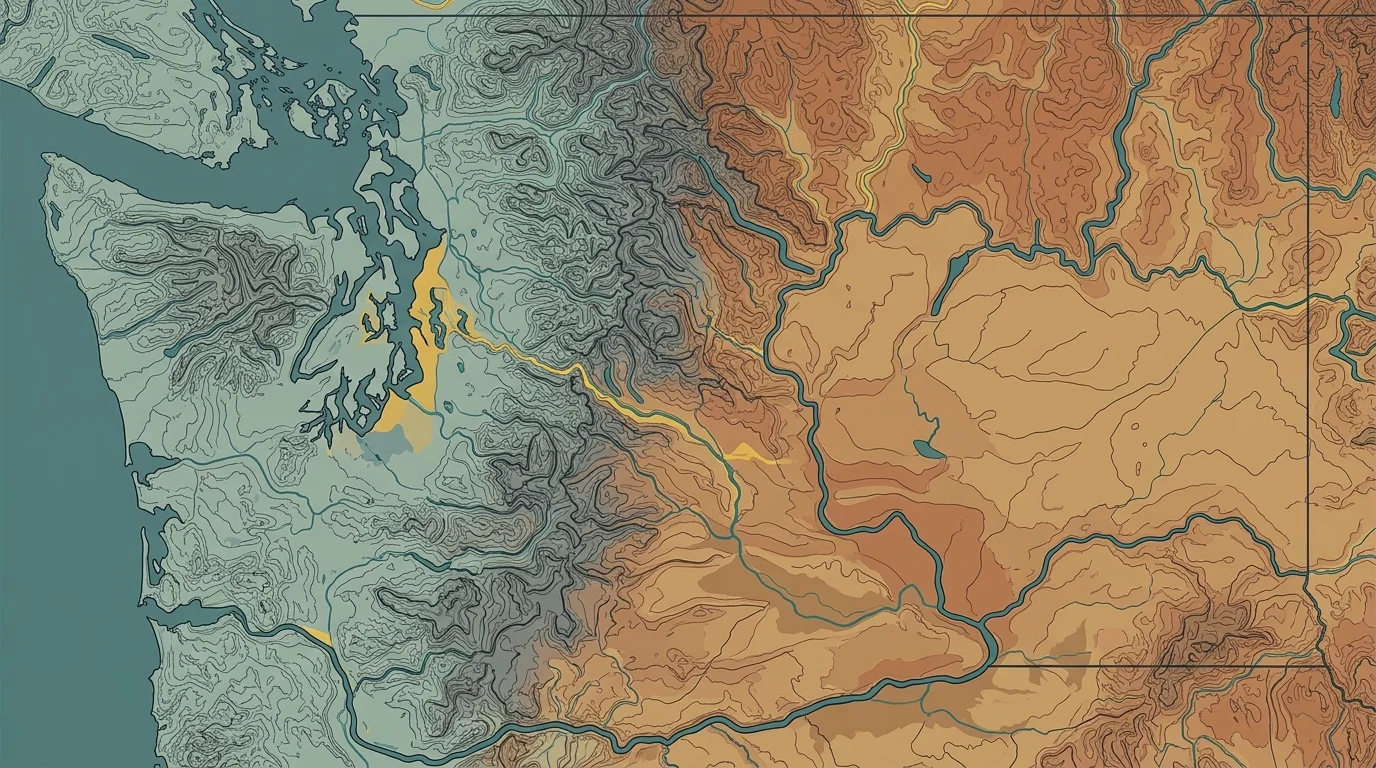
The geographic spread of the October RFP wave reflects that the December floods did not discriminate. Issuing agencies include the Port of Skamania County in the Columbia River Gorge, Snohomish County PUD No. 1 on the wet side of the Cascades, and cities including Castle Rock and Chehalis in Cowlitz and Lewis counties, which absorbed some of the worst direct flood damage. Grant County, in the arid Columbia Basin, also appears in the data, as do Chelan, Kitsap, King, and Whitman counties. The scope of the solicitations spans new source wells, water treatment plant construction, water main replacements, and stormwater system work, confirming these are capital construction projects, not routine service contracts.
What makes the October timing possible is a feature of Washington's Public Works Board that most residents have never encountered. Unlike FEMA Public Assistance or federal Community Development Block Grant programs, which route money through state agencies and can take years to reach a local construction contract, the PWB can issue loans and grants directly to cities, counties, and special purpose districts on a competitive quarterly cycle. The mechanism moved from disaster declaration in December 2025 to construction award in October 2026, roughly ten months. That pace is unusually fast for disaster-driven capital spending.
The PWB awards are not the only funding pressure building behind this wave. Washington's water project queue is also being fed by a separate federal pipeline: approximately $96 million in new EPA Drinking Water State Revolving Fund capitalization grants to the Washington Department of Health, and $42.8 million in Clean Water SRF grants to the Department of Ecology, both starting in July 2025 and running through 2030. These federal programs operate through a different mechanism, flowing to state agencies that then re-lend to utilities and municipalities, and they are not the direct trigger of the October surge. But they represent sustained pressure on the same local project queues, and agencies that have exhausted their PWB awards will find SRF capacity available behind them.
Oregon and California show no comparable procurement spike in the same 30-day window, relative to their own baselines, which rules out a regional permitting or contracting calendar explanation. This is a Washington-specific event.
The November data suggests the initial wave is decelerating, with 13 RFPs through November 19, but that number will not capture projects where grantees are still completing environmental review or engineering scoping before advertising. The more important signal to watch is what happens in the first quarter of 2027, when construction seasons open and the same agencies that issued RFPs in October begin awarding contracts. At that point, Washington's flood-driven water infrastructure rebuilding will move from paper to pipe.