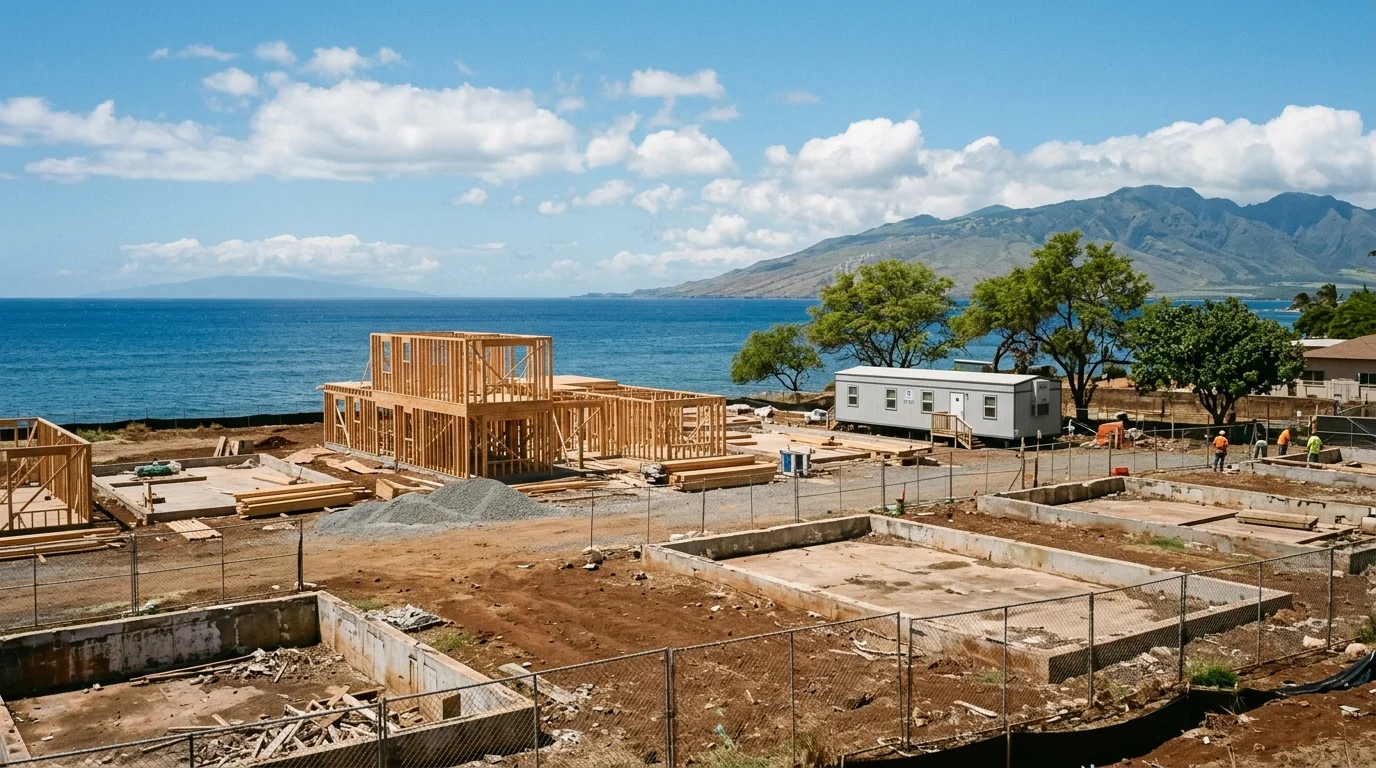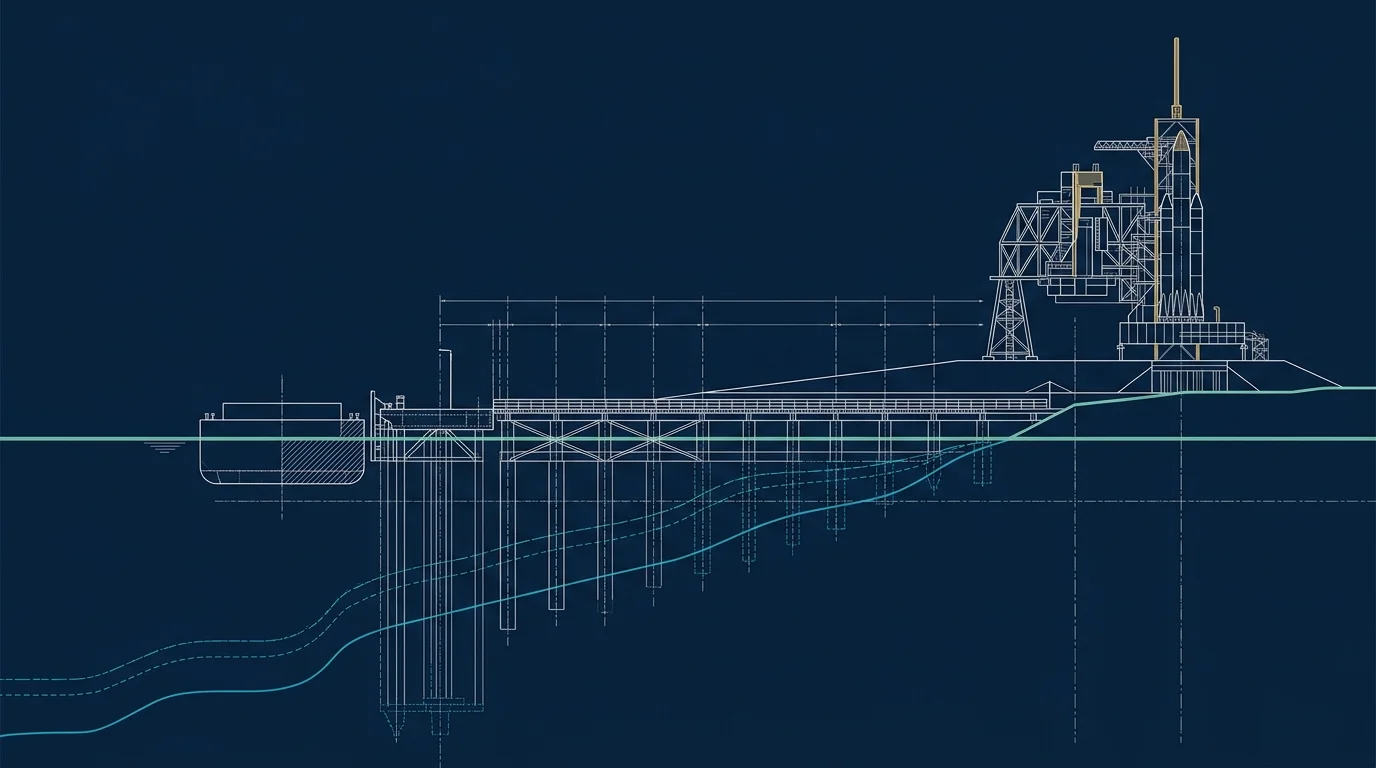
Wallops Island, Virginia is inching toward a maritime overhaul that could reshape its role in the American space economy. The Virginia Commercial Space Flight Authority, known as Virginia Space, is now seeking engineers to begin designing a deep-water port on the ocean side of the Mid-Atlantic Regional Spaceport (MARS), a move that would give the Eastern Shore facility the marine infrastructure to receive, and potentially recover, the large rockets that define the next generation of commercial spaceflight.
The timing reflects a convergence of forces. Rocket Lab, the second most active U.S. launch company after SpaceX, announced in 2022 that it chose Wallops as the primary launch site for its new Neutron rocket, a large reusable booster targeted for its first flight around 2025-2026. Rocket Lab plans to recover Neutron's first stage, much as SpaceX recovers Falcon 9 boosters, and that kind of operation demands serious marine infrastructure. Rocket components at this scale are simply too large for roads or rail; they move by barge.
MARS has operated since 1997 as one of only four FAA-licensed orbital commercial spaceports in the country, co-located with NASA's Wallops Flight Facility. It earned its reputation largely through Northrop Grumman's Antares rocket, which has carried cargo to the International Space Station since 2013. But the facility's current infrastructure was built for a different era, and the surge in commercial launches nationally, from roughly 20 U.S. orbital flights per year in 2015 to more than 140 in 2024, has raised the stakes for every launch site trying to compete.
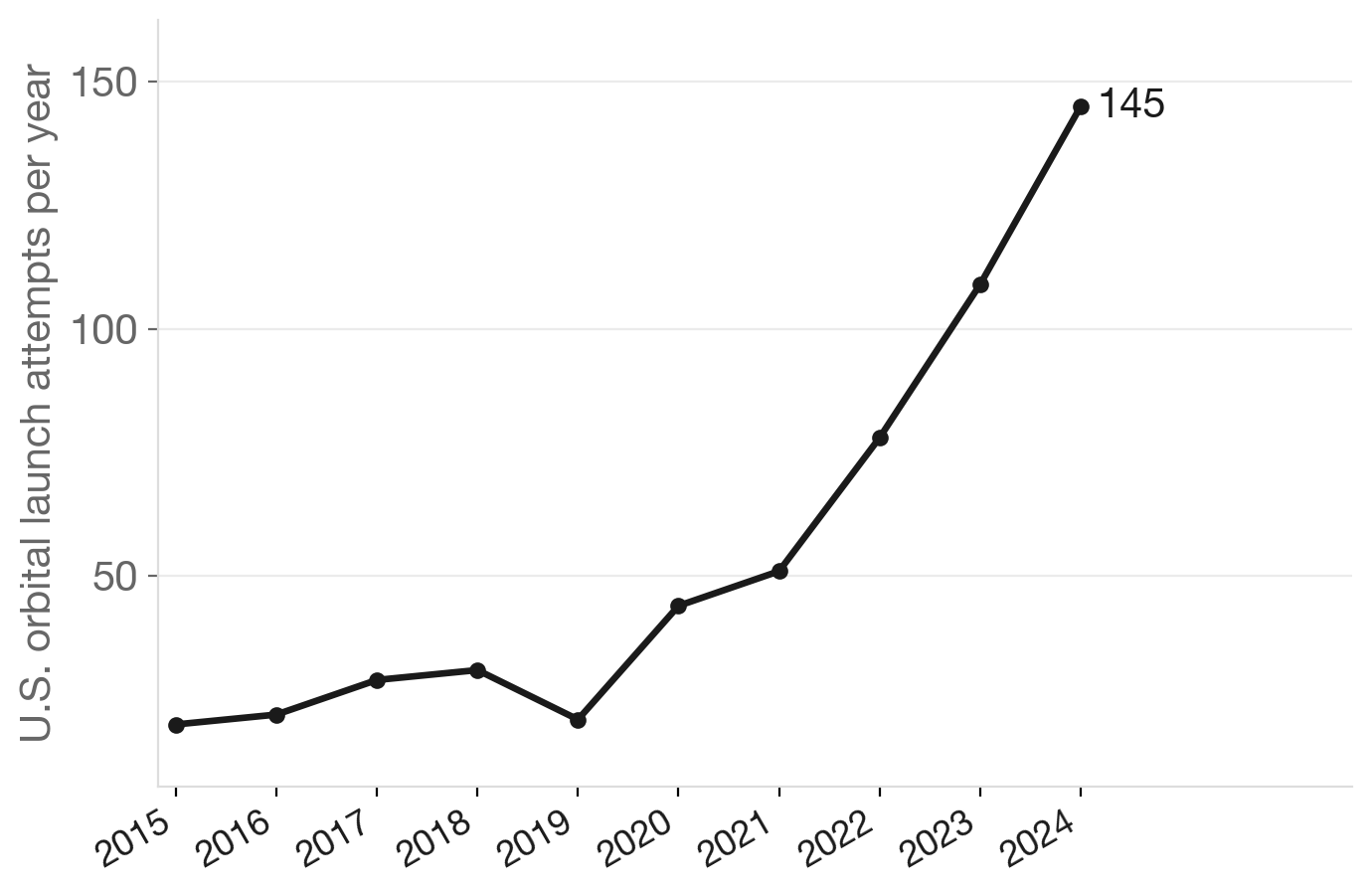
Source: NationGraph.
Virginia Space is seeking engineering firms to complete a 30% design for the port, an early but significant planning milestone that typically precedes environmental review, federal permitting, and a full construction budget. The eventual price tag for a project of this scope is likely to run into the hundreds of millions of dollars, though no construction funding has been committed.
The project will face real hurdles. Wallops Island sits in Accomack County, a rural stretch of the Eastern Shore already losing ground to sea-level rise, and the surrounding ecosystem includes Chincoteague National Wildlife Refuge, migratory bird habitat, and the wild ponies that have made the area famous. Any deep-water port will require Army Corps of Engineers permitting and a full federal environmental review, processes that can take years and that conservation groups are likely to scrutinize closely, given concerns about dredging and shoreline disruption.
For the Eastern Shore, where the spaceport ranks among the largest sources of skilled technical employment in an otherwise economically stressed region, the project carries significant local stakes. Gov. Glenn Youngkin has made space-economy development a signature priority, and the General Assembly has already funded a new Neutron launch pad at the facility. The deep-water port would be the next piece of that build-out, though completing it will depend on clearing a long permitting runway first.