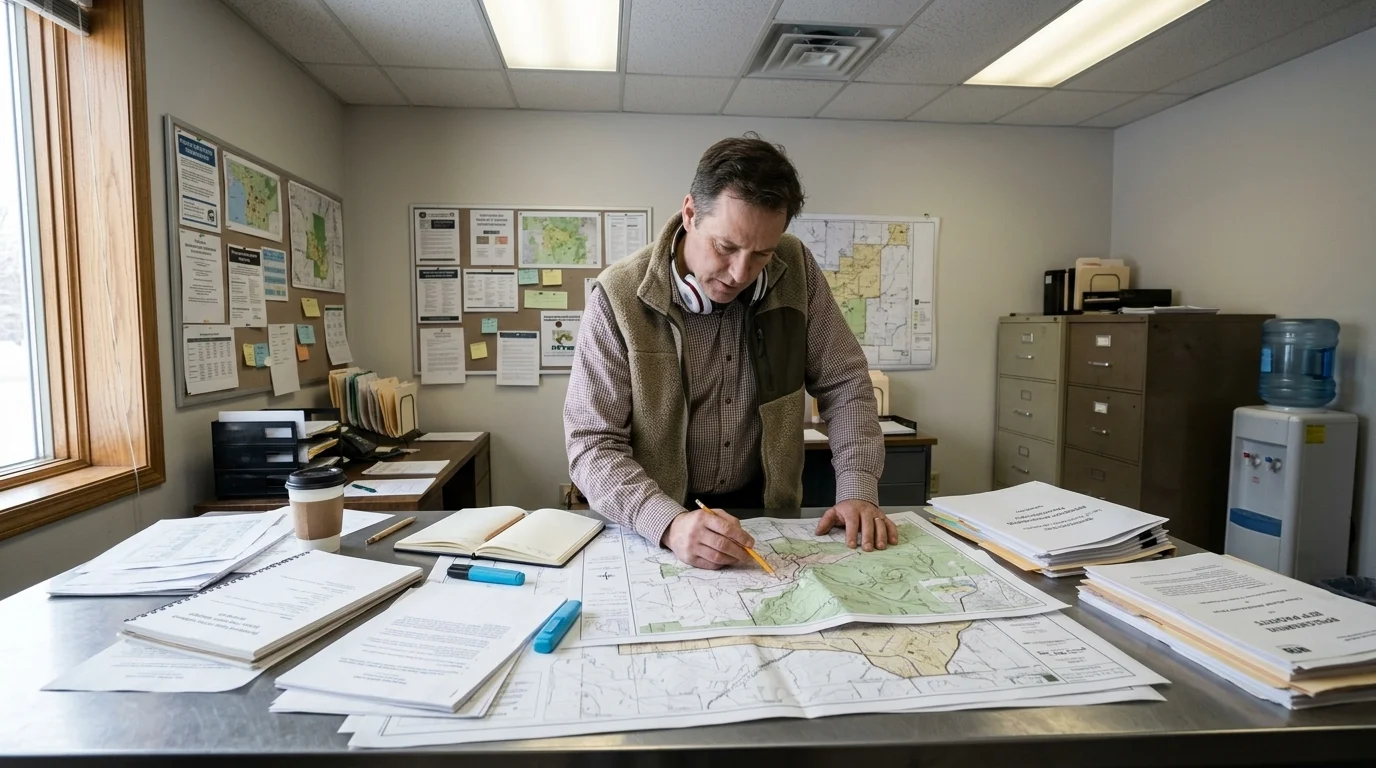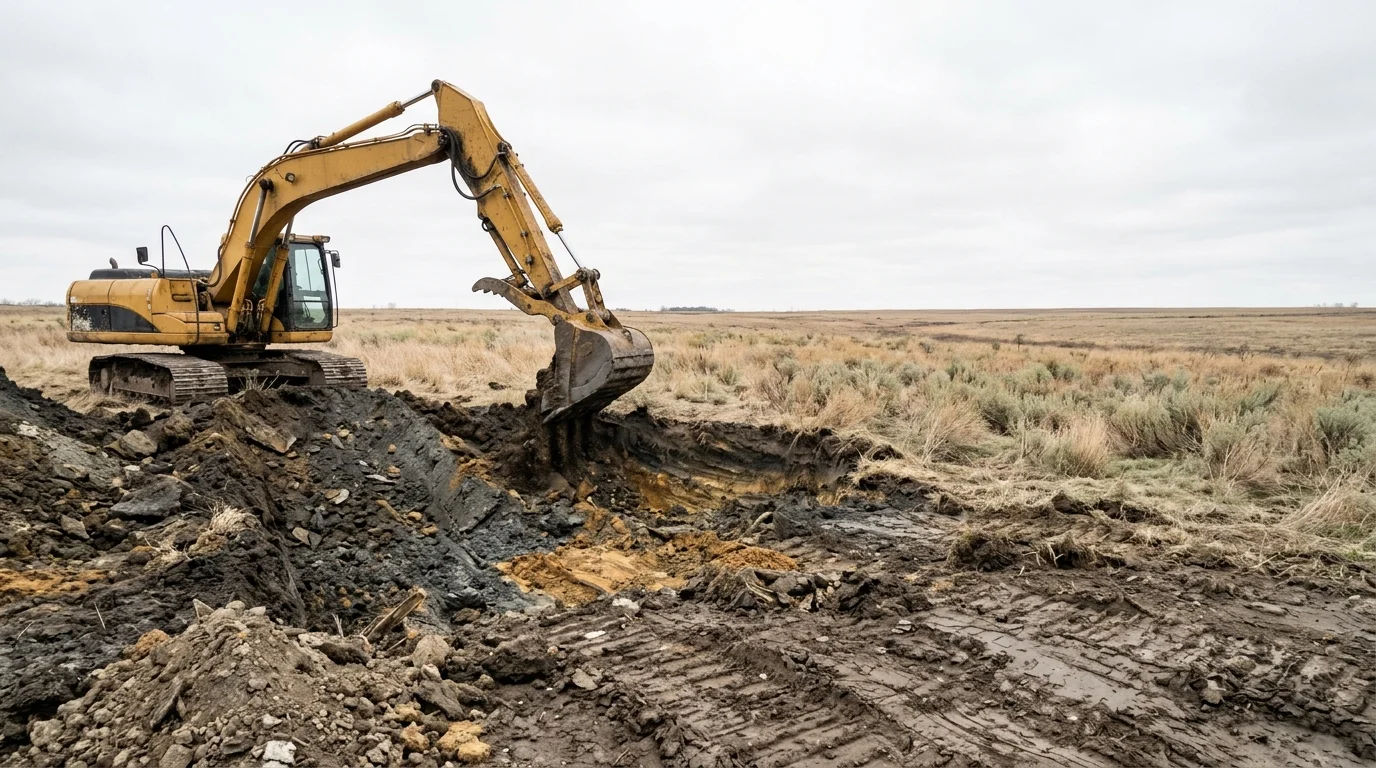
The University of Minnesota is moving to clean up a long-contaminated dump site on its sprawling UMore Park property in Rosemount, Minnesota, taking a concrete step toward resolving an environmental legacy that stretches back more than 80 years.
The site in question, known as the 154th Street Dump, sits within UMore Park's roughly 5,000 acres in Dakota County, one of the largest undeveloped land holdings in the entire Twin Cities region. The property's troubled history begins during World War II, when the federal government built the Gopher Ordnance Works there, a smokeless gunpowder plant operated by DuPont from 1942 to 1945. After the war, the land was transferred to the University, which used portions for agricultural research while other areas became informal dumping grounds for decades of University waste, including materials hauled from the Twin Cities campus, long before modern environmental laws made such practices illegal.
The 154th Street Dump has been under oversight by the Minnesota Pollution Control Agency through the state's Voluntary Investigation and Cleanup program. Now the University is seeking a construction contractor to perform the remediation work. The specific dollar value, extent of contamination and project timeline have not been publicly disclosed.
The timing reflects a significant shift in the University's plans for UMore Park. For roughly a decade starting around 2006, the University pursued an ambitious vision to transform the property into a planned community of up to 30,000 residents. The Board of Regents abandoned that plan in 2017. Since then, the University has pivoted toward selling or leasing portions of the land, including a gravel mining agreement with Dakota Aggregates, and cleaning up legacy contamination is a practical prerequisite for any land transfer or future development.
For Rosemount, a fast-growing suburb whose population has more than doubled since 2000 to over 26,000 residents, the question of what happens to UMore Park carries real weight. The University is tax-exempt, making it an unusual kind of neighbor, and community members have raised persistent questions about groundwater safety, agricultural runoff and the full scope of what was buried there over the decades.
What the remediation ultimately uncovers, and what it clears the way for, will shape one of the most consequential land-use questions in the southern Twin Cities metro.