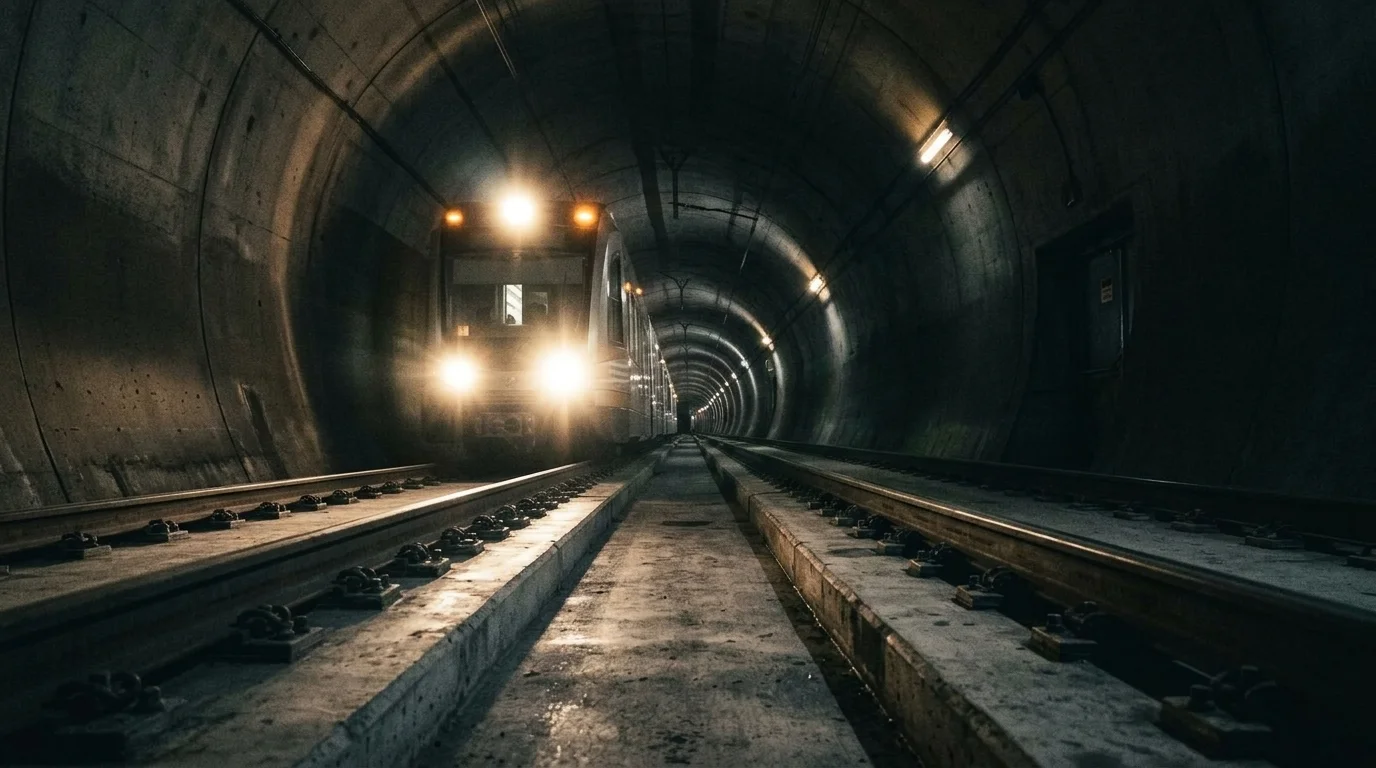
The underground light rail tunnel beneath Minneapolis-St. Paul International Airport, one of the more unusual pieces of transit infrastructure in the Midwest, is getting its first major rehabilitation since it opened in 2004. The Metropolitan Council, the Twin Cities' regional transit authority, is hiring a contractor to replace the specialized track system inside the Lindbergh Terminal Station tunnel on the METRO Blue Line.
The work targets the station's Low Vibration Track system, a ballastless design that uses rubber-cushioned concrete blocks embedded in a concrete slab to absorb noise and vibration before they travel into surrounding structures. That kind of system is standard for tunnels and sensitive urban environments, but the rubber components and rail fasteners wear down over time. After more than two decades of trains running through every 10 to 15 minutes, the system is due for wholesale replacement. The project is listed in an RFP posted by the Metropolitan Council in September 2026.
The Blue Line carries more than 20,000 riders on a typical weekday and is one of the few transit lines in the country to run directly into a major international airport terminal. That makes any construction shutdown unusually visible, to daily commuters and to travelers arriving from across the country. The Metropolitan Council will need to coordinate closely with the Metropolitan Airports Commission on any service interruptions.
The Lindbergh Terminal Station was Minnesota's first foray into subway-style transit when it opened. Most of the Blue Line, which connects downtown Minneapolis to the Mall of America via the airport, runs at street level. The airport tunnel is the exception, and its complexity makes it the line's most demanding piece of infrastructure to maintain.
The rehabilitation fits a broader pattern playing out across the country. First-generation modern light rail systems built in the 1980s through early 2000s, from Portland to Denver to Dallas, are all hitting the 20- to 30-year mark when major structural and trackwork repairs become unavoidable. Federal transit policy has increasingly prioritized this kind of state-of-good-repair work, and the Met Council has received significant federal dollars under that framework.
The project arrives as the Met Council faces heightened scrutiny over its management of major rail projects. The Southwest Light Rail Green Line Extension ballooned from roughly $1.25 billion to more than $2.86 billion before opening, and the Blue Line Extension to the northwest suburbs has faced repeated delays and cost disputes. Delivering a technically demanding tunnel rehab cleanly would offer the agency a chance to demonstrate competence on a smaller, more contained project.
No construction timeline has been publicly announced. The contractor selection process is now underway.