Six California agencies issued flood-control RFPs in the last 30 days that they had not issued in over a year, a geographic spread running from a Humboldt County lift station to a Stockton levee to an Orange County sewer siphon that marks something more significant than a seasonal uptick in procurement activity.
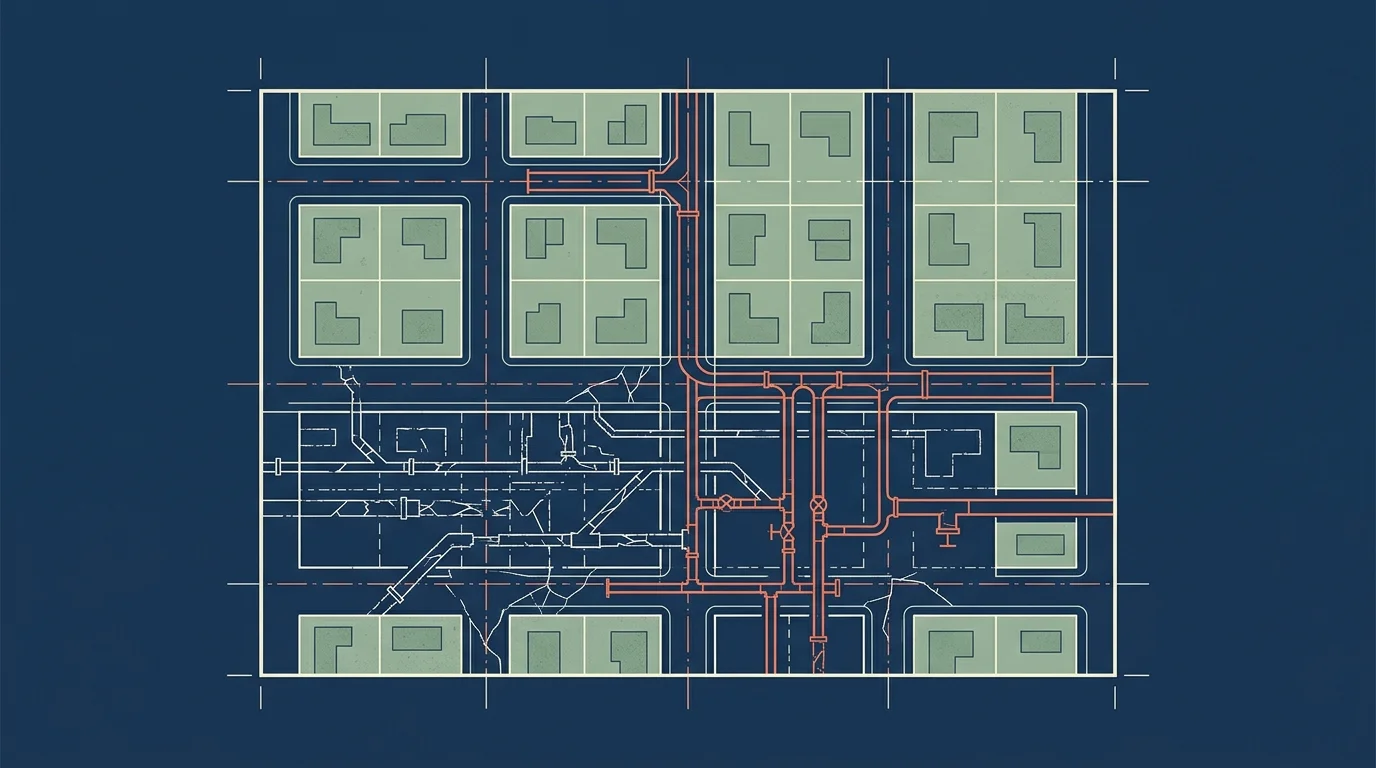
The new issuers include Humboldt Community Services District (a flood protection upgrade at the Hoover Street Lift Station), Costa Mesa Sanitary District (siphon lining in Orange County), Santa Barbara County (Lower Sycamore Creek flood mitigation and restoration planning), Reclamation District 2074 in Stockton (levee maintenance), Solano County (asset protection), and West Sacramento (a Sacramento Deep Water Ship Channel closure structure). These are not agencies that have been regularly procuring flood work. Their simultaneous entry into the market, across NorCal and SoCal, is the fingerprint of a policy trigger, not a weather event.
The trigger is Proposition 4. Approved by California voters in November 2024, the bond authorized $10 billion in general obligation debt, with $3.8 billion directed at water resilience including dedicated flood programs. For most of 2025, that money existed as a ballot victory and not much else, local agencies were waiting for the state to stand up grant programs before committing to design and planning costs. That wait appears to be ending.
In May 2026, the Department of Water Resources announced it was launching new Prop 4 assistance programs, including the Flood Control Subventions Program, which carries $141 million for local agencies that partner with the Army Corps of Engineers, and a new Small Communities Flood Risk Reduction Program. Governor Newsom signed the FY2026-27 budget on June 29, proposing $60 million for Sacramento-San Joaquin Delta levee maintenance and $109.1 million for the Urban Flood Risk Reduction Program under Prop 4, with DWR drawing $2.65 billion from all fund sources this fiscal year. Then, on July 21, the State Water Resources Control Board held a public workshop on its draft Prop 4 Stormwater Grant Program guidelines, with $110 million available for urban stormwater projects. The RFPs followed within days.
The sequencing matters. California's flood management structure places capital project responsibility on local governments, which depend almost entirely on state and federal grant cycles to fund engineering and construction. When a competitive grant window opens, agencies that want to compete need consultants, studies, and permit applications in hand before the deadline. An RFP is how they start that clock. Six agencies issuing those RFPs simultaneously, after a year of dormancy, means they believe the window is real and the timeline is now.
Federal dollars are reinforcing the signal. Senator Alex Padilla secured more than $160 million in Army Corps FY2026 work plan funding for California flood and water infrastructure in April 2026, including $26 million for the San Luis Rey River flood control project in Oceanside. California's active federal flood grant portfolio currently exceeds $290 million across agencies including CA OES, the Coastal Conservancy, EPA, USDA, and Interior. Local agencies tracking both state and federal pipelines have reason to move now.
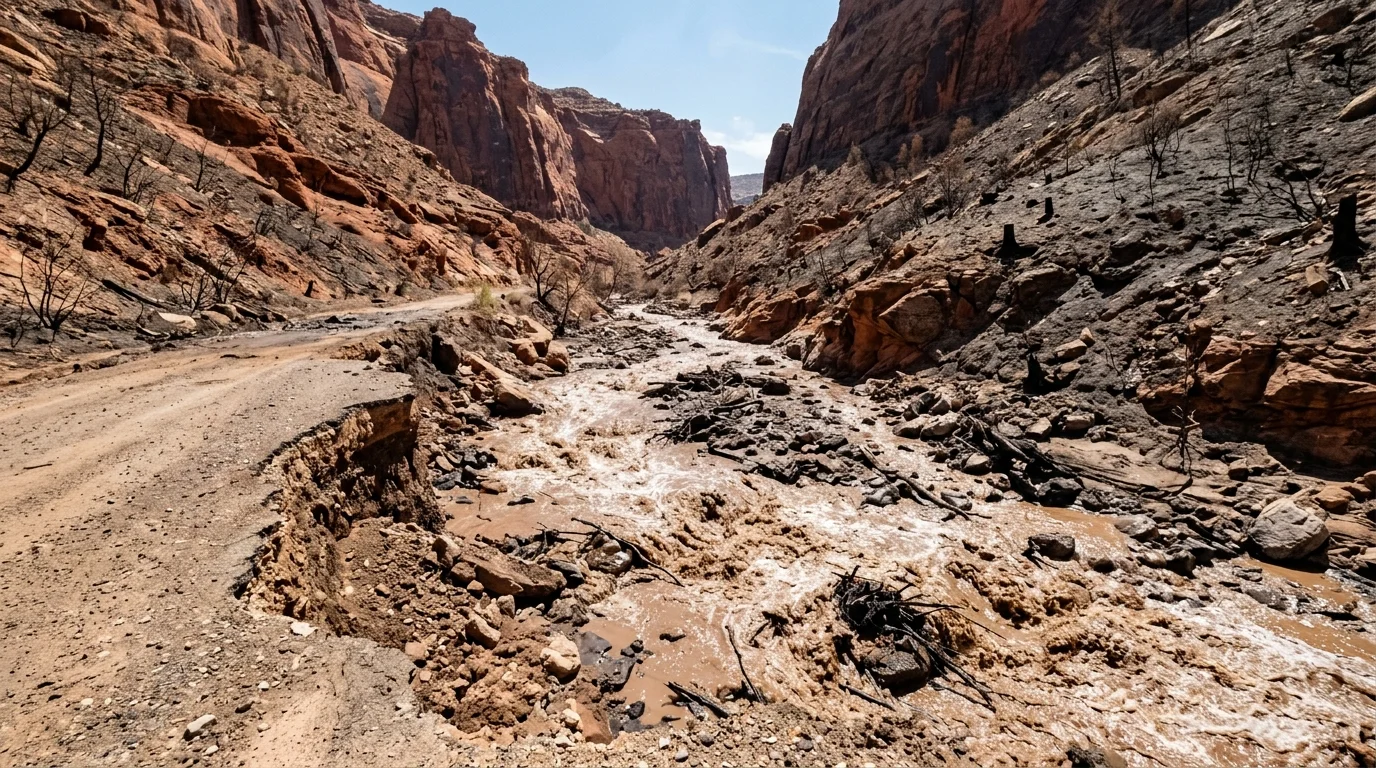
The scale of what California is trying to do makes the timing pressure concrete. The Sacramento-San Joaquin Delta is protected by roughly 1,100 miles of aging levees, many of them built more than a century ago. The Central Valley remains the most flood-prone agricultural region in the country. Atmospheric river events are intensifying. The Legislative Analyst's Office has flagged repeatedly that California's bond-funded infrastructure programs have historically struggled to spend money at the pace voters and lawmakers expect, capital projects stall in environmental review, permitting, and interagency coordination before a shovel enters the ground.
The six RFPs issued in the last 30 days represent early-stage planning and engineering work, not construction. The distance between a consultant contract and a completed levee in California is measured in years. What these procurements signal is that local agencies have crossed the threshold from watching to acting, they are spending their own planning dollars on the bet that state grant funds will arrive in time to make the projects viable.
The next signals to watch are the formal grant application windows from DWR's Flood Control Subventions Program and the State Water Board's Stormwater Grant Program, both of which are expected to open for applications in late 2026. Whether these six agencies, and the others likely to follow, can move from RFP to shovel-ready fast enough to meet those deadlines will determine whether Proposition 4's flood commitment translates into infrastructure before California's next major flood season.