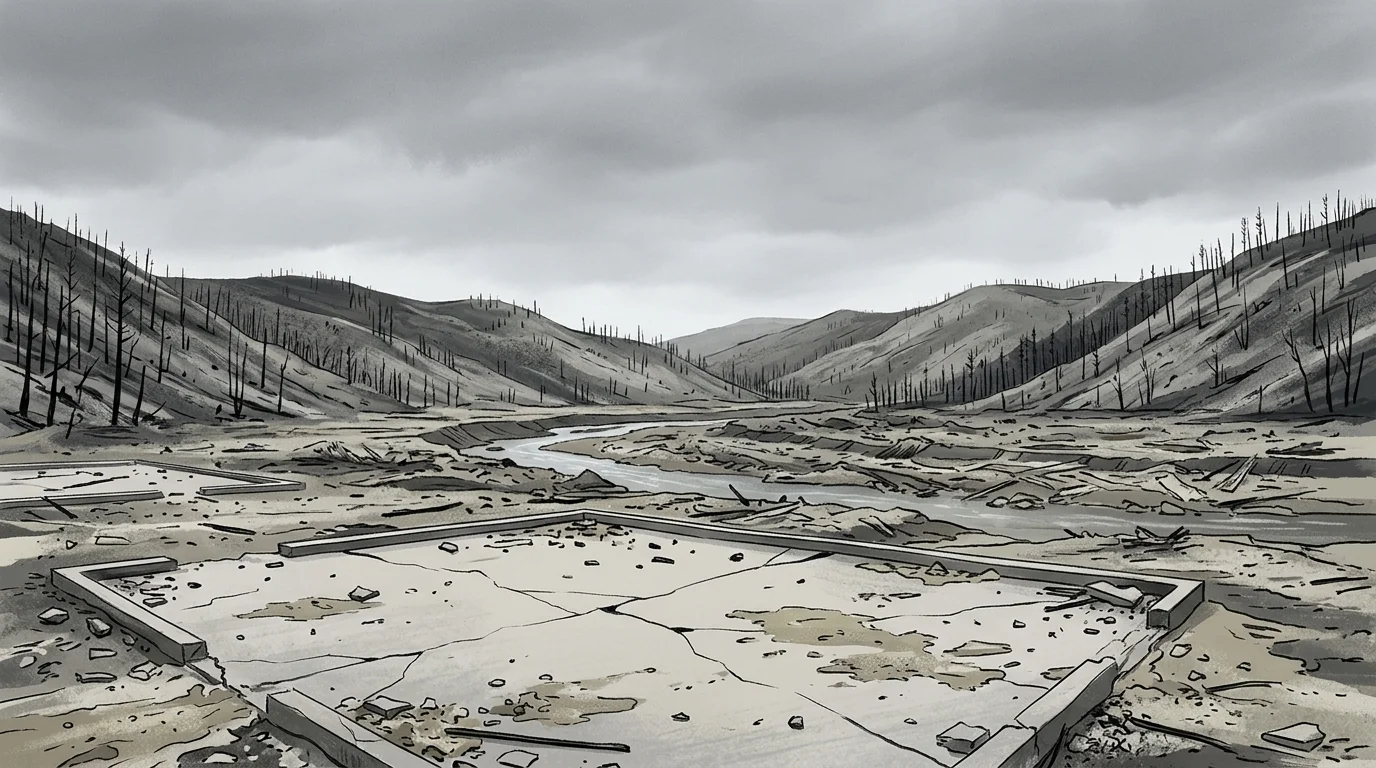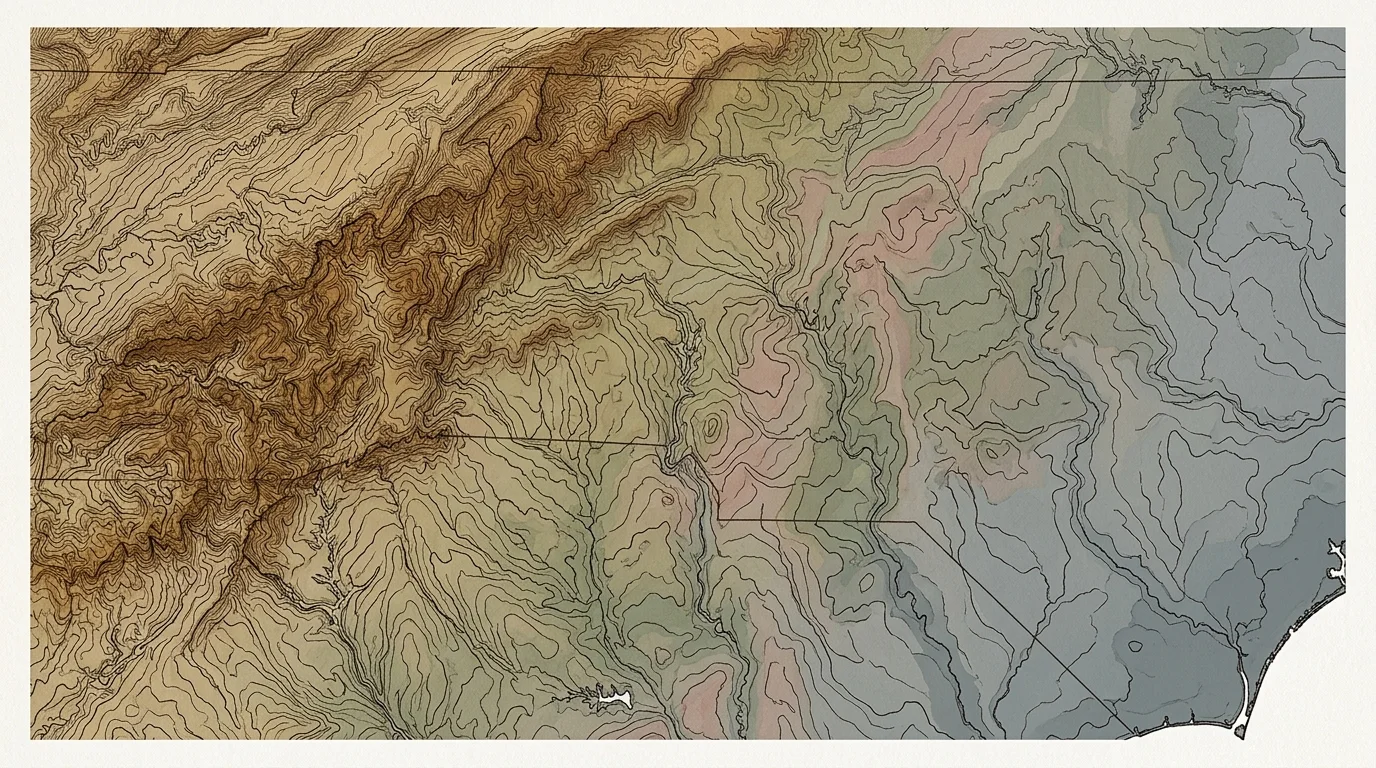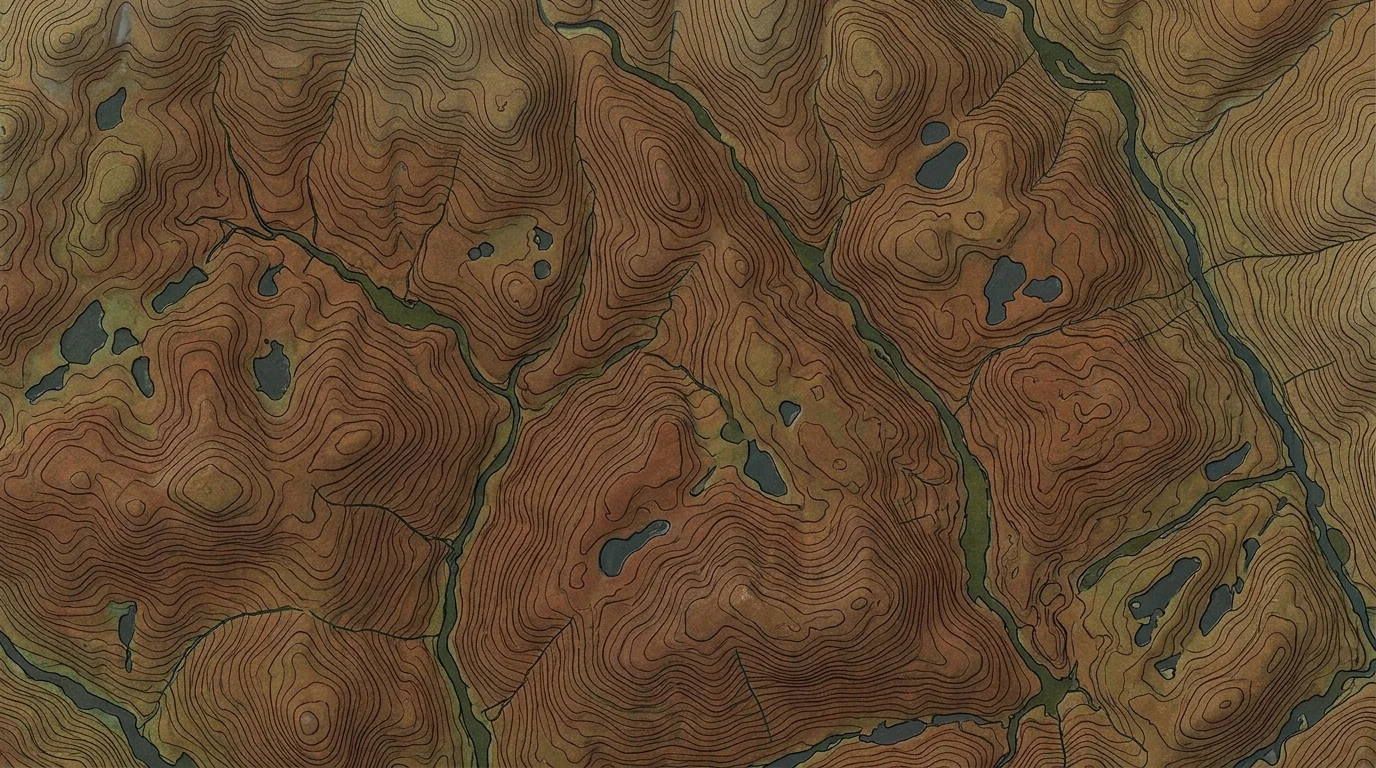
A remote stretch of Sutherland in the Scottish Highlands is pushing ahead with one of the region's most ambitious ecological repair projects, as work continues to restore degraded peatlands at Invercassley across four new phases.
The project, now out to tender via Public Contracts Scotland, covers Phases 4 through 7 at the Invercassley site, indicating a large-scale, long-running commitment to rebuilding wetlands that have been draining and emitting carbon for decades. The earlier phases suggest prior restoration work here has already taken hold. Contractors will typically block historic drainage ditches, reprofile eroded peat faces, remove self-seeded conifers, and re-wet the surface so that sphagnum mosses can recolonize.
Invercassley sits within or near the Flow Country, the largest blanket bog in Europe, which received UNESCO World Heritage status in July 2024, the first peatland ever to earn that designation. The recognition brought international attention to a landscape that environmentalists have long argued is as climatically valuable as any tropical rainforest. Healthy peat stores more carbon per hectare than tropical rainforests, but an estimated 70 to 80 percent of Scotland's peatlands are degraded, and degraded peat doesn't just stop absorbing carbon: it actively releases it, contributing an estimated 10 million or more tonnes of CO2 equivalent each year, roughly a quarter of Scotland's total emissions.
Source: NationGraph.
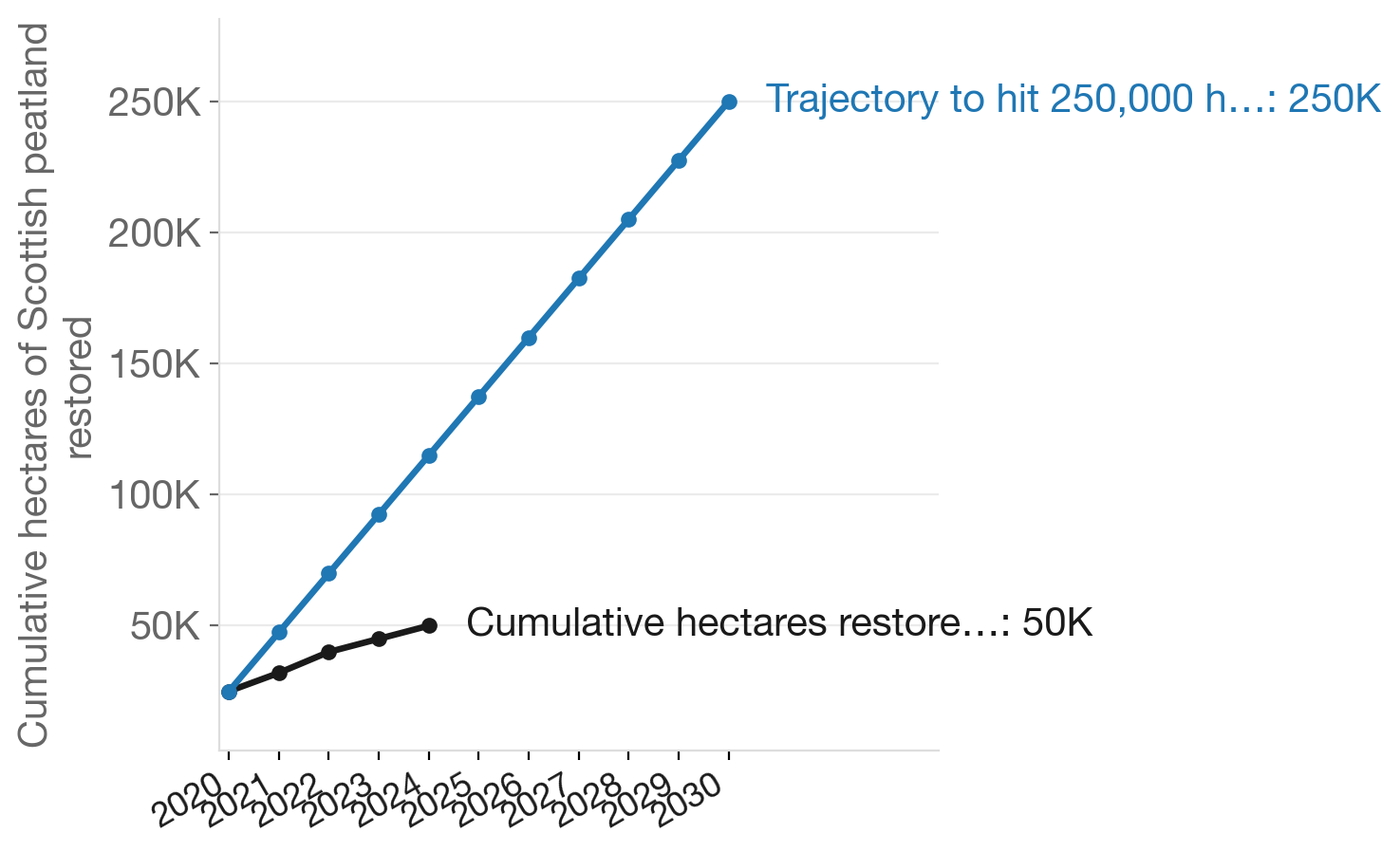
The stakes for this work are high. Scotland committed in 2020 to restore 250,000 hectares of peatland by 2030, backed by £250 million in funding through the NatureScot-administered Peatland ACTION program. But progress has lagged badly. By 2023-24, only around 45,000 to 50,000 hectares had been restored, well short of the roughly 20,000-hectare annual pace needed to hit the target. Audit Scotland and environmental groups including RSPB and WWF Scotland have repeatedly flagged workforce shortages and contractor capacity as key obstacles. Scotland's 2030 climate target was delayed in 2023, amid slow progress on land-use emissions.
The Invercassley contract is one piece of that broader puzzle. For Sutherland's sparse rural economy, peatland restoration also represents one of the few sectors generating skilled local work, though debate continues about whether outside contractors are capturing most of the economic benefit. As earlier restoration work in the Flow Country has shown, these projects require sustained, multi-year commitment rather than one-off interventions.
No contract value was disclosed in the tender posting. With the 2030 target now less than four years away, how quickly this and similar projects can be completed will help determine whether Scotland's net zero ambitions remain achievable.