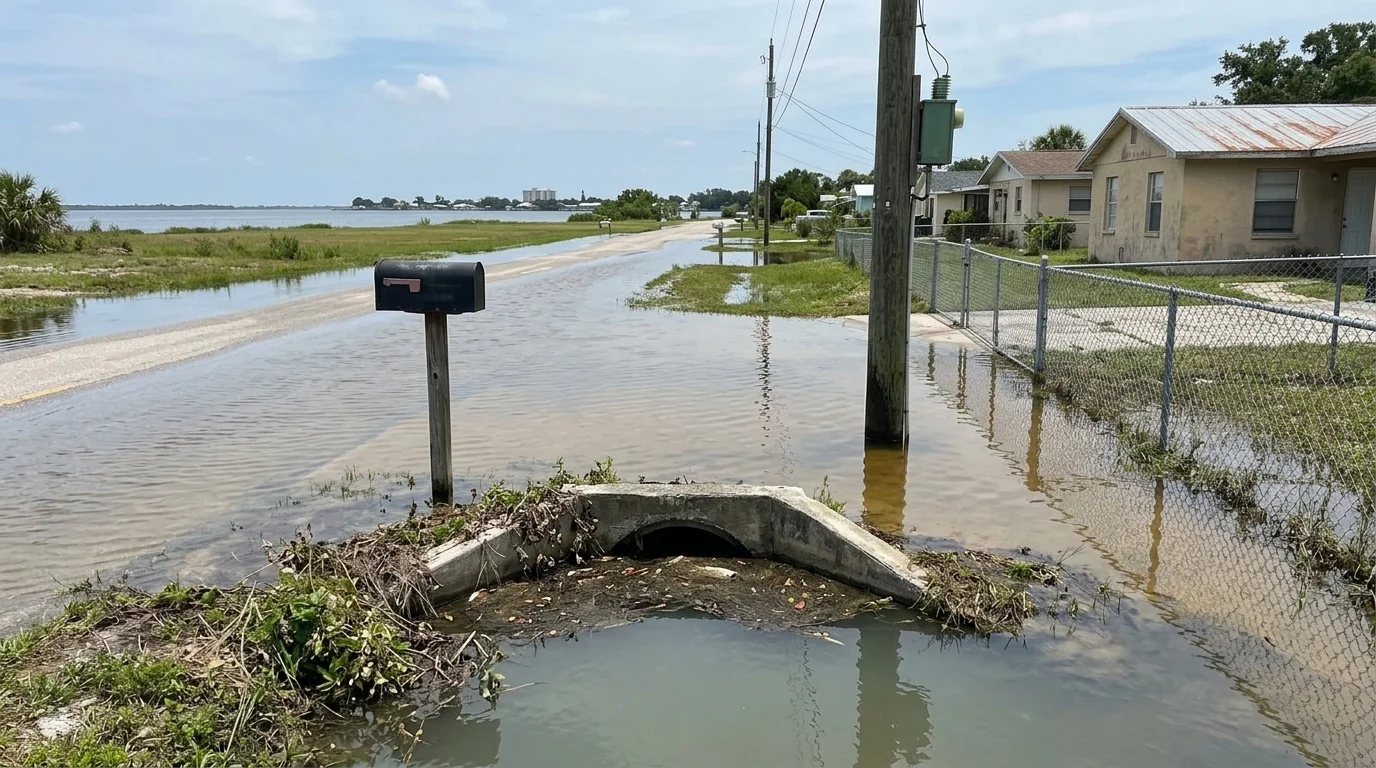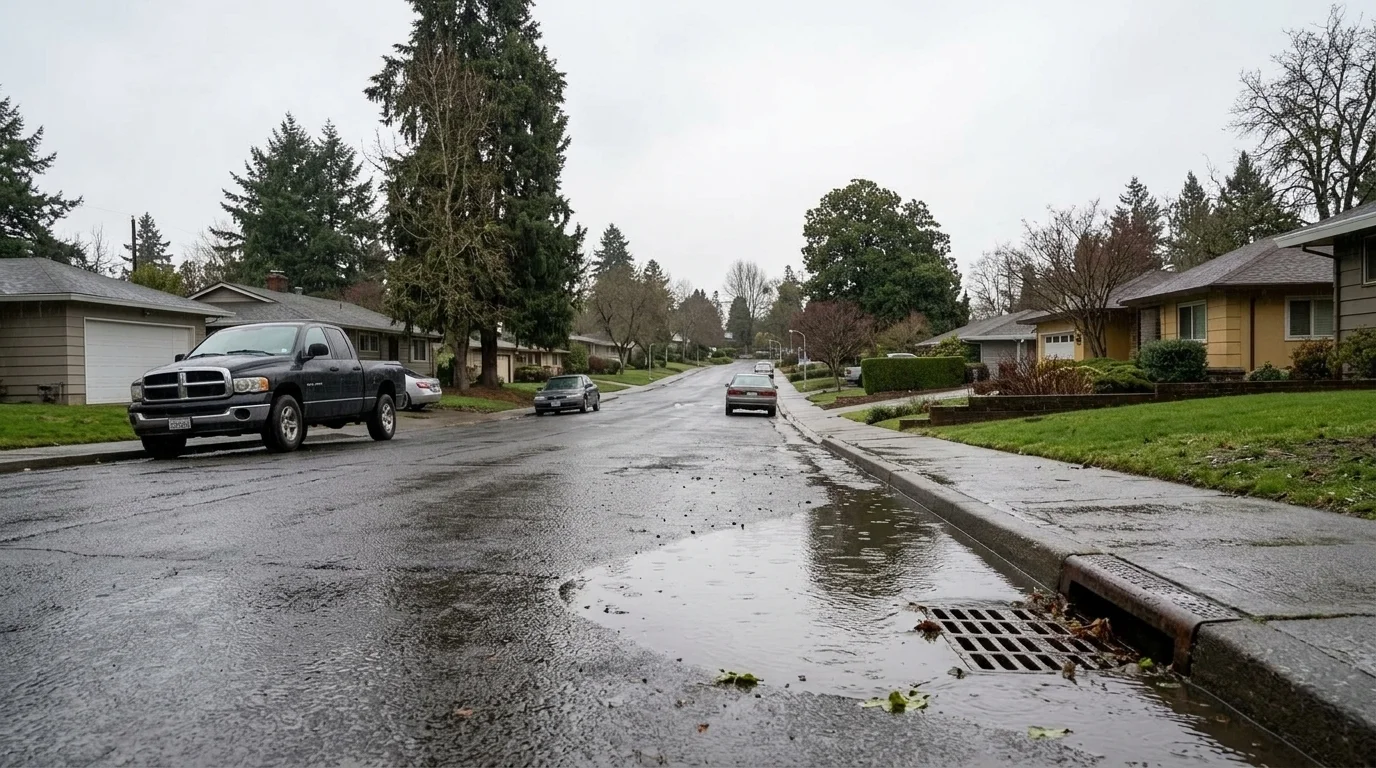
A modest residential street in Santa Clara, California is finally getting the flood protection its residents have pushed for, as the city moves to upgrade drainage infrastructure in the Anna Drive neighborhood that was designed for a climate that no longer exists.
Santa Clara sits on the flat valley floor between several creeks draining the Santa Cruz Mountains, a geography that makes it naturally prone to ponding and overflow when storms hit hard. The problem in neighborhoods like Anna Drive traces back to the postwar suburban boom: storm drains sized in the 1950s and 1960s for relatively modest rainfall events are now routinely overwhelmed by atmospheric rivers, the long bands of Pacific moisture that have become California's dominant source of winter precipitation. Those storms have grown more intense, and they arrive in sequences that leave saturated ground no time to recover.
The consequences have been vivid across the region. In February 2017, Coyote Creek flooded downtown San Jose just miles away, forcing 14,000 people from their homes. The 2022-23 atmospheric river sequence set rainfall records across the Bay Area, accelerating pressure on cities like Santa Clara to move faster on neighborhood-scale flood infrastructure that had languished for years on capital improvement lists.
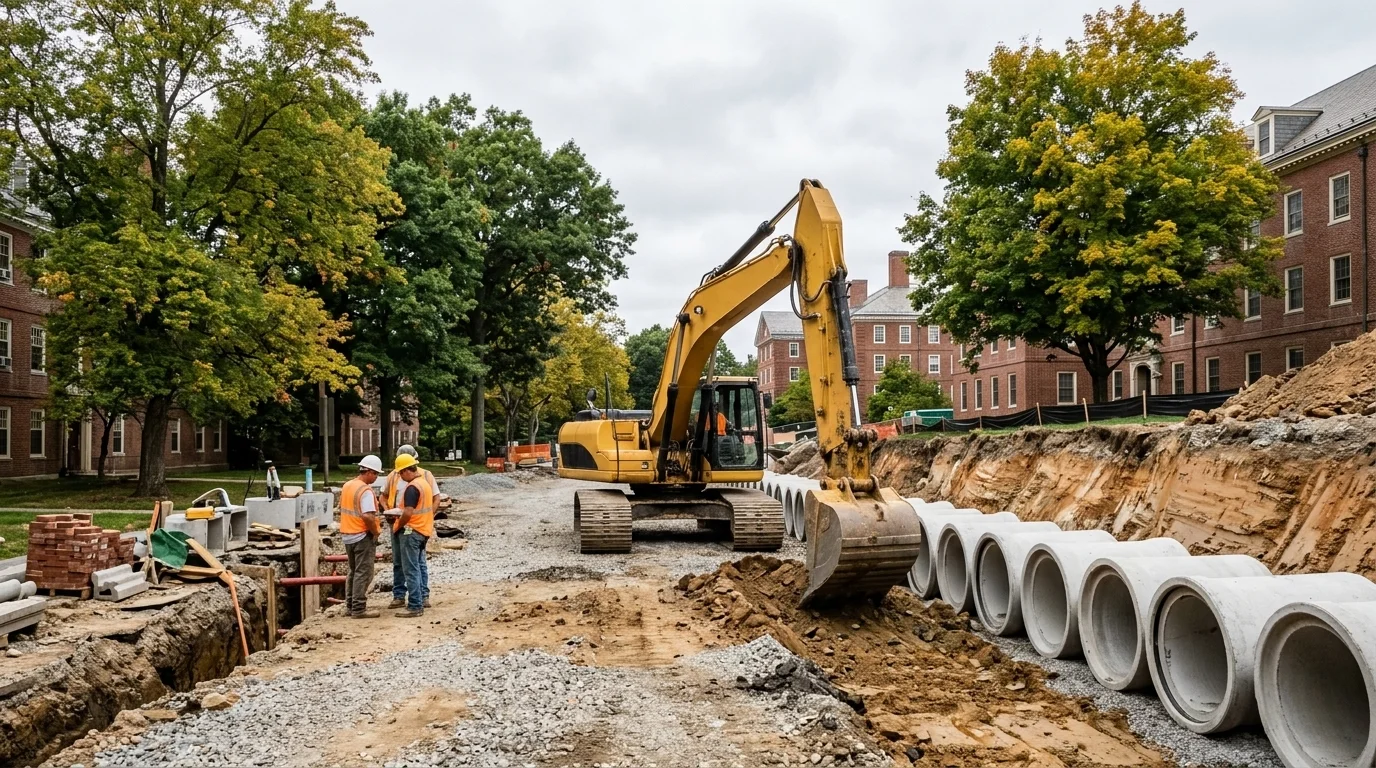
The city is now seeking contractors for the Anna Drive Neighborhood Flood Protection Project, posted Oct. 22, 2026. The specific dollar value and construction timeline have not been publicly disclosed in the solicitation materials. Projects like this in Santa Clara typically draw on a mix of local stormwater fees, the city's 2018 infrastructure bond, Santa Clara Valley Water District partnerships, and federal flood mitigation dollars flowing from the 2021 Infrastructure Investment and Jobs Act.
Santa Clara's relatively strong tax base, anchored by Nvidia, Intel, and other major tech employers, gives the city more capacity for this kind of spending than many California municipalities. Still, directing those dollars toward a quiet residential street reflects a deliberate choice to extend infrastructure investment beyond the stadium and corporate campuses that dominate the city's commercial core.
Contractor selection will determine how quickly construction can begin, and the project timeline is expected to become clearer once bids are reviewed.