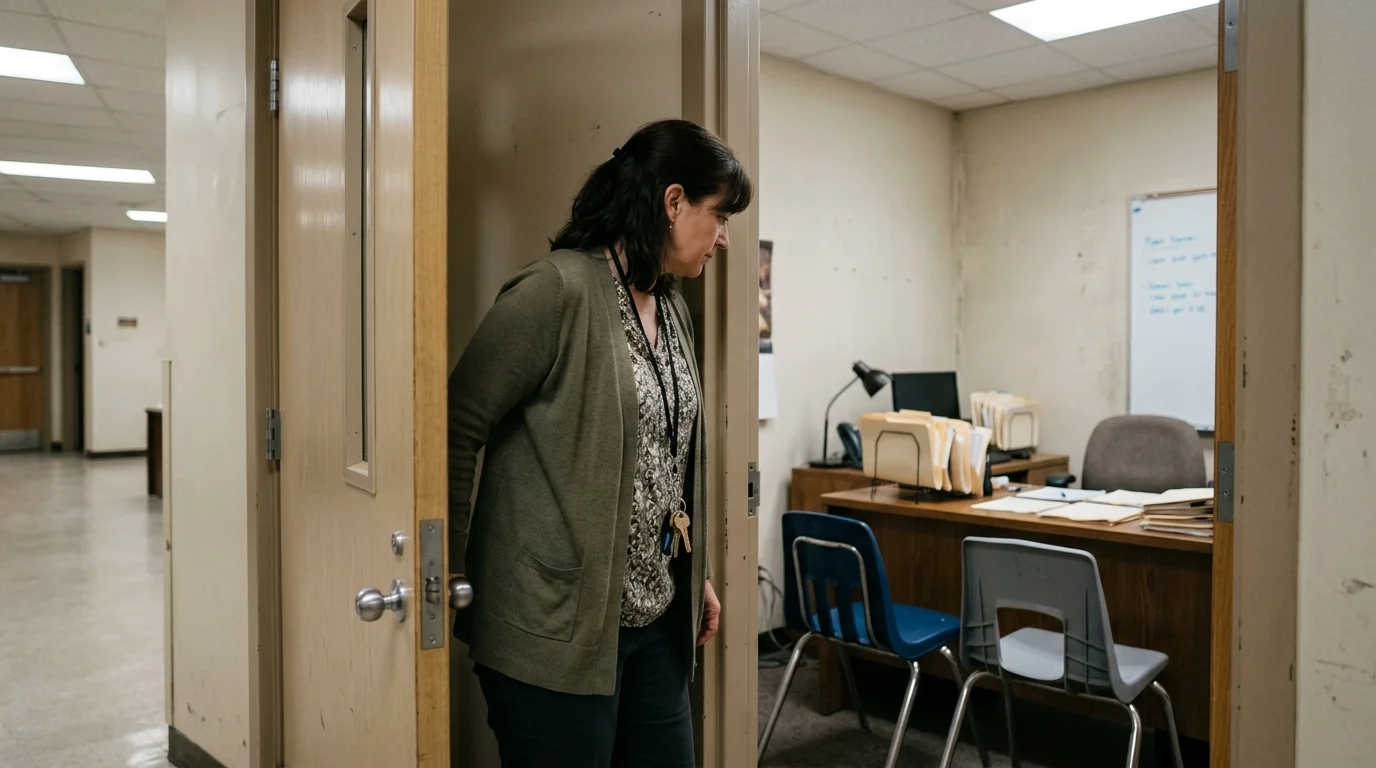
Redford Township, Mich., is pressing deeper into one of the more unglamorous public health efforts in metro Detroit: digging up yards, peering into basements, and cataloging every water pipe connecting homes to the main line, one property at a time.
The Wayne County township has posted a new solicitation for Phase III of its water service line investigation, continuing a multi-year effort to identify which homes still have lead or otherwise corroded pipes. The contract value and exact number of lines to be inspected haven't been disclosed.
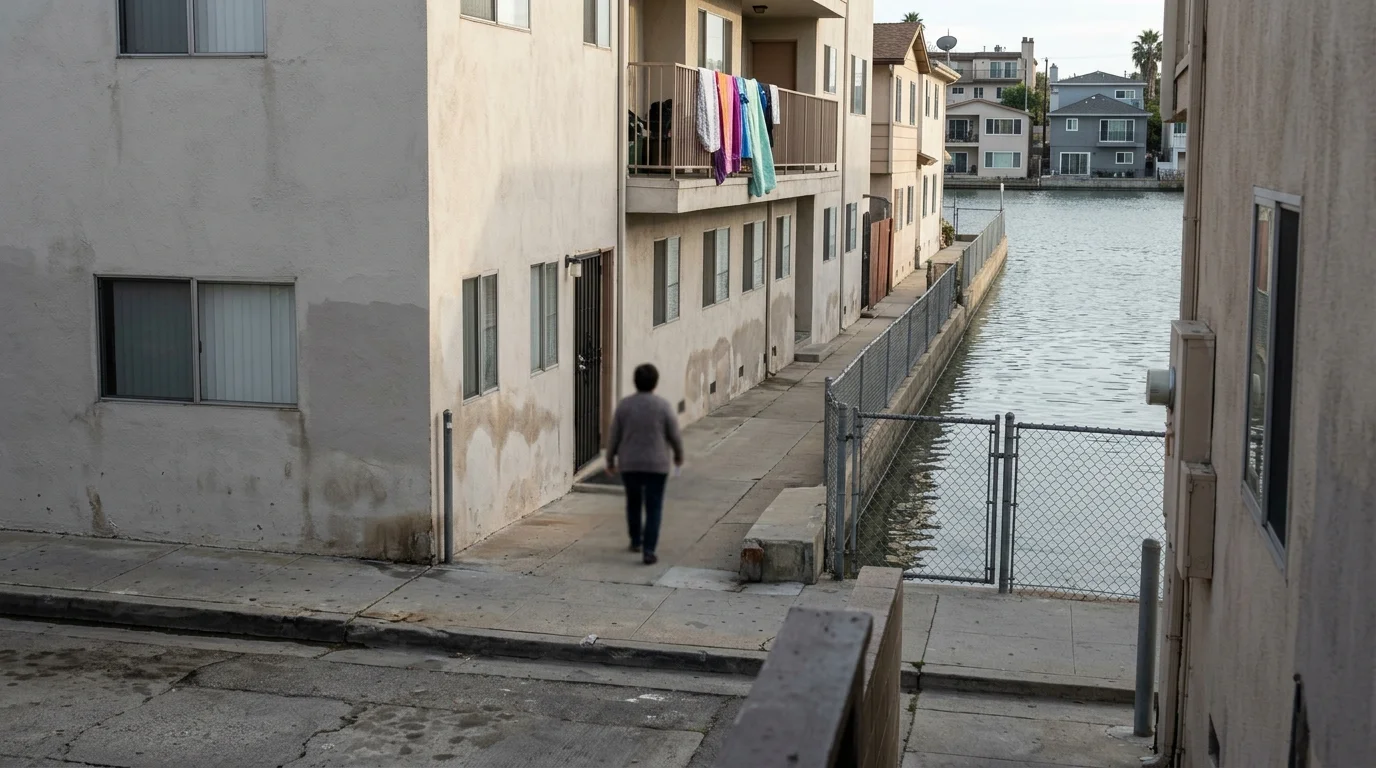
The stakes are concrete. Most of Redford's roughly 48,000 residents live in homes built between 1920 and 1955, when lead service lines were standard. That means a large share of the township's residential connections are candidates for replacement, even if no one knows exactly how many until inspectors show up. The work typically involves hydro-excavation at the curb stop, visual checks inside homes, and age-based predictive modeling where physical access isn't possible.
Redford's phased approach reflects Michigan's post-Flint overhaul of its drinking water rules. Amid the 2014-2015 Flint crisis, which exposed what lead pipes can do to a community, Michigan adopted the nation's strictest Lead and Copper Rule in 2018, requiring full service line inventories and replacement within 20 years. Federal rules have since caught up: the EPA's Lead and Copper Rule Improvements, finalized in October 2024, now require every community water system in the country to replace all lead lines within 10 years of 2027. Redford, like dozens of older Michigan suburbs, has been working toward that target for years.
Funding for this kind of work can flow through Michigan's Drinking Water State Revolving Fund, which received a significant boost from the $15 billion in lead pipe replacement money included in the 2021 Bipartisan Infrastructure Law. Whether Redford is drawing on those funds for this phase isn't specified in the record.
Unlike Flint or Benton Harbor, Redford has not faced a public water crisis. But the township shares the same aging infrastructure profile that made those cities flashpoints, and its working-class, majority-Black population is precisely the demographic federal environmental justice priorities are designed to reach.
With Phases I and II already complete, the question Phase III is meant to answer is how many lines remain unaccounted for, and where they are. As the 2027 federal deadline approaches, the township's window for finding out is narrowing.