Red Feather Lakes, a high-elevation mountain community in Larimer County, Colorado, is moving forward with a large-scale forest thinning effort designed to reduce the risk of catastrophic wildfire in one of the state's most fire-vulnerable corners.
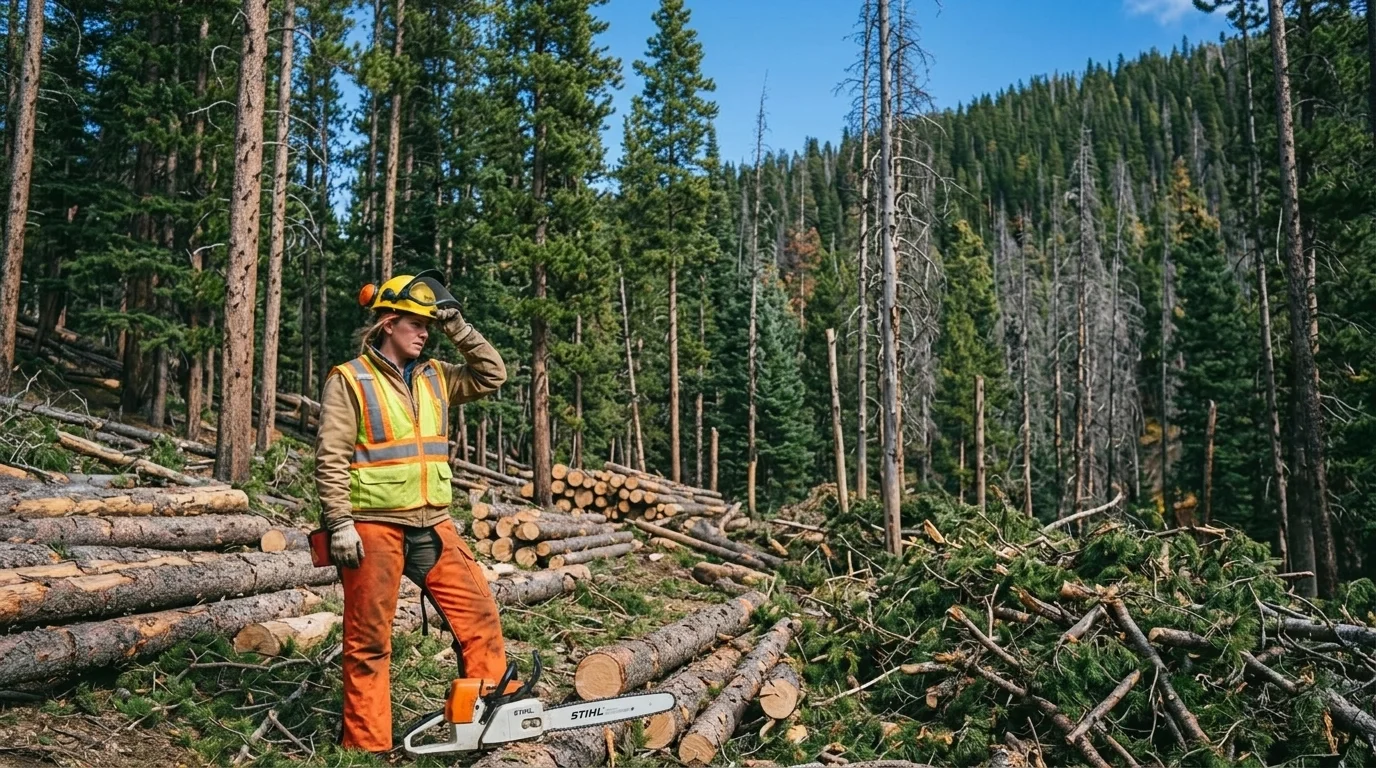
The project targets what foresters call stand-scale treatments: mechanical thinning, hand-cutting, and slash removal applied forest stand by forest stand inside and around the community's wildland-urban interface near the Roosevelt National Forest. The goal is to reduce the density of small-diameter trees, ladder fuels, and dead beetle-killed timber that allow a ground fire to climb into the forest canopy and become a crown fire that no crew can stop. The solicitation is posted on the Rocky Mountain Bid System, though the specific dollar value, total acreage, and contracting agency have not been publicly disclosed.
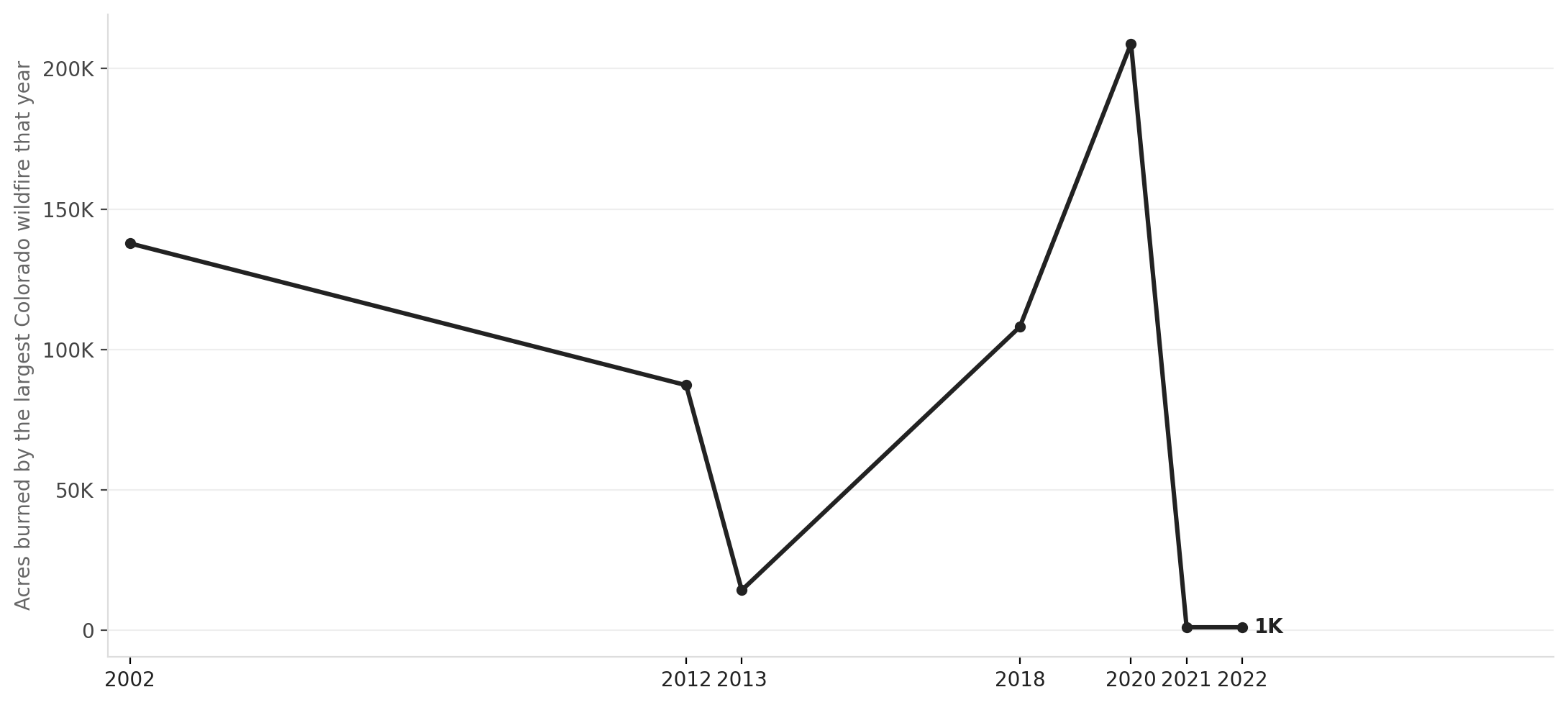
The urgency is not abstract. In 2020, the Cameron Peak Fire burned more than 208,000 acres across Larimer County, the largest wildfire in Colorado history, and came within miles of Red Feather Lakes before crews stopped it. The community sits at 8,300 feet in lodgepole pine country hit hard by mountain pine beetle die-offs in the 2000s, leaving extensive standing dead timber. With roughly 500 year-round residents, thousands of seasonal cabin owners, and limited evacuation routes, the stakes of another fire reaching the community are severe.
Source: NationGraph.
The broader funding push making projects like this possible traces to the 2021 Bipartisan Infrastructure Law and the 2022 Inflation Reduction Act, which together directed more than $5 billion toward wildfire risk reduction and hazardous fuels work on National Forest land. Colorado added its own resources through a 2021 state wildfire action program, and Larimer County voters in 2022 approved a dedicated wildfire and forest health sales tax.
Still, critics have argued that treatment is happening too slowly across the region relative to the scale of the risk, and the U.S. Forest Service's broader fuels strategy has drawn scrutiny over whether commercial timber interests are being bundled with genuine hazard reduction work.
For Red Feather Lakes, the immediate question is how much ground crews can cover before the next dry summer. Contractor selection is underway now.