Pennsylvania's transit agencies issued 106 procurement solicitations in the 30 days ending November 12, 2026, 4.4 times the 12-month monthly average of roughly 24, in what amounts to the largest pre-legislative procurement surge the state's transit network has mounted in a generation.
The number tells a specific story. October 2026 alone produced 100 transit RFPs statewide, matching the spike of 117 recorded in July 2025, when the Federal Railroad Administration's Emergency Order targeting SEPTA's fire-prone Silverliner IV fleet hit peak pressure. This time, the driver is political rather than regulatory, though both forces are now running simultaneously.
On November 3, Democrats flipped the Pennsylvania Senate 26-24, completing the state's first Democratic trifecta since 1993. Governor Josh Shapiro, freshly re-elected, said at the governor's mansion that night: 'We will fund mass transit.' For transit planners who have spent three years watching Shapiro's funding proposals die in a Republican-controlled Senate, that sentence carries procurement implications.
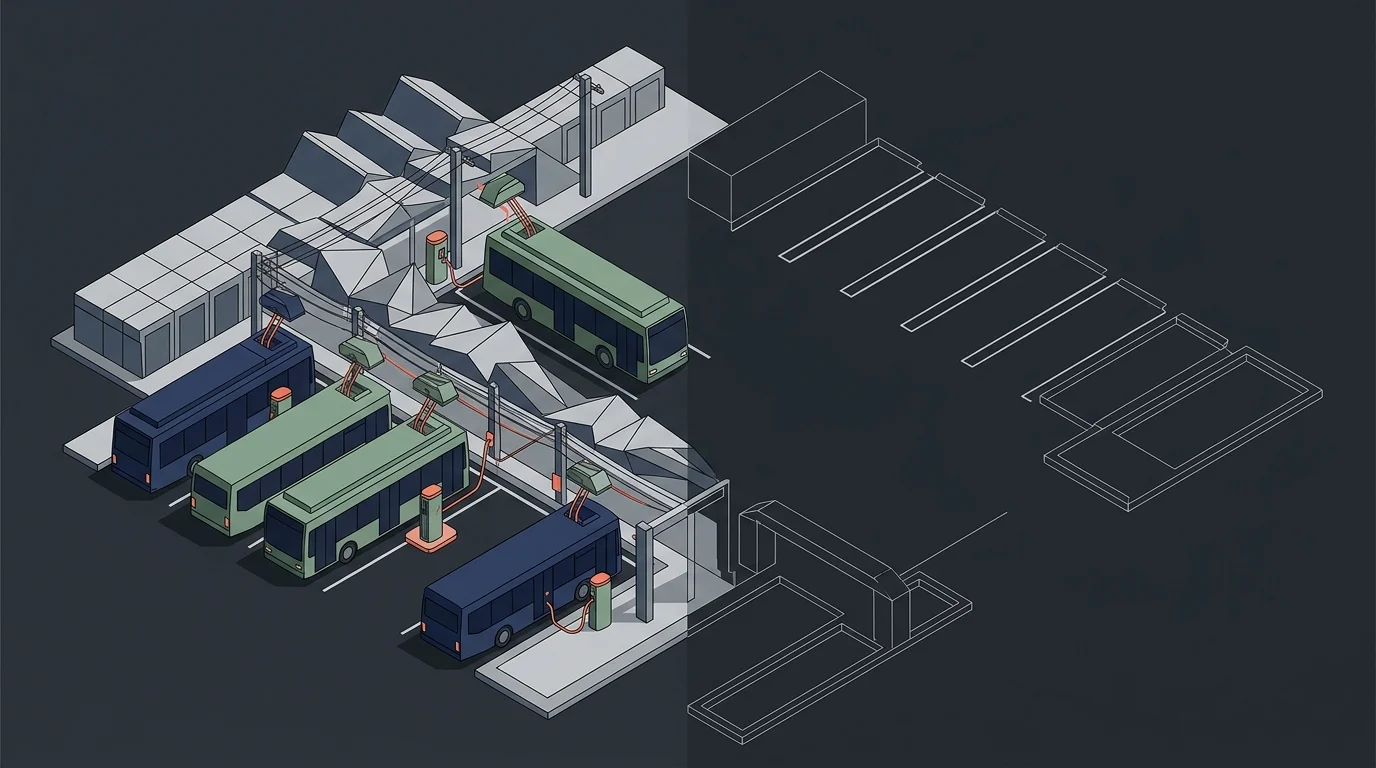
The agencies buying things they cannot yet fully pay to install include SEPTA (11 RFPs in the window), Port Authority of Allegheny County and Pittsburgh Regional Transit (5), the Delaware Valley Regional Planning Commission (4), and Washington County Transportation Authority (4). Categories span railcar components, bus fuel infrastructure, railroad construction, transit-oriented development, and transportation demand management. This is not a Philadelphia story. Regional agencies from Erie to Lehigh to Washington County appear in the 30-day window, suggesting that the anticipation of post-trifecta legislation has spread to every corner of the state's 52-agency network.
Three distinct policy pressures explain why the surge is happening now, and they must not be read as a single cause.
The first is federal and legally compelled. The FRA Emergency Order of October 2025, issued after five Silverliner IV railcar fires, forced SEPTA onto a compliance procurement timeline with no connection to Harrisburg politics. Shapiro directed $220 million from the Pennsylvania Public Transportation Trust Fund for safety projects, and the FTA separately awarded SEPTA $13.3 million for fleet replacement and $80 million through the Buses and Bus Facilities program, federal grants that created their own RFP obligations regardless of what the legislature did.
The second pressure is a state-level countdown. In September 2025, PennDOT authorized SEPTA to consume $394 million of its capital allocation for daily operations, and authorized PRT to consume $106.7 million the same way. Those transfers, drawn from the Pennsylvania Public Transportation Trust Fund as an emergency measure, not as new appropriations, expire in summer 2027. Agencies have roughly eight months of runway. Launching multi-year capital procurements now, before the funding cliff arrives, is rational: an RFP issued in October 2026 can produce a contract award and project start by the time the stopgap runs out.
The third pressure is anticipatory. Shapiro proposed a 1.75 percent Sales and Use Tax reallocation to the Transportation Trust Fund every year of his first term, which would generate more than $300 million annually in recurring transit operating revenue. The Republican Senate blocked it every time. The FY2026 budget, signed in July 2026, again contained no permanent transit operating funding. The trifecta changes the arithmetic. Agencies that would not launch multi-year capital projects under funding uncertainty are now willing to commit, even before the bill is written, because the political prerequisite finally exists.
The federal money waiting to be absorbed makes the capacity question urgent. Seventy-six active federal DOT transit grants to Pennsylvania total $1.44 billion committed, with only $231.7 million disbursed. That gap reflects years of suppressed capital absorption: a state unable to pass operating funding cannot easily stand up the project management infrastructure to draw down federal capital at scale. The procurement surge is partly an attempt to build that capacity before the grant windows close.
As our earlier reporting on SEPTA's parts procurement documented, the agency has been ordering components for systems it has not yet fully funded. That dynamic is now playing out at a statewide scale. LANTA spokesperson Darryl Lightner told the Morning Call that agencies are 'highly encouraged' and have been advocating for three years, the procurement surge is what 'highly encouraged' looks like on a spreadsheet.
The Transit for All PA legislative package, which layers a 6 percent rideshare excise fee and car rental fees on top of Shapiro's sales tax reallocation, is pending in both chambers. With the new Senate majority seated in January 2027, the most likely window for a floor vote is the first quarter of the year. If permanent funding passes, agencies that began procurement in October 2026 will be positioned to execute. If it stalls, the summer 2027 expiration of the capital-to-operations transfers becomes a hard cliff, and 106 outstanding RFPs become a liability.
The next signal to watch is the January legislative calendar. If Shapiro's office moves a transit funding bill in the first weeks of the session, the procurement math closes. If the new Senate majority finds reasons to delay, agencies that pre-positioned will face the same question they have faced for a decade: how long can you buy ahead of a check that hasn't been written?