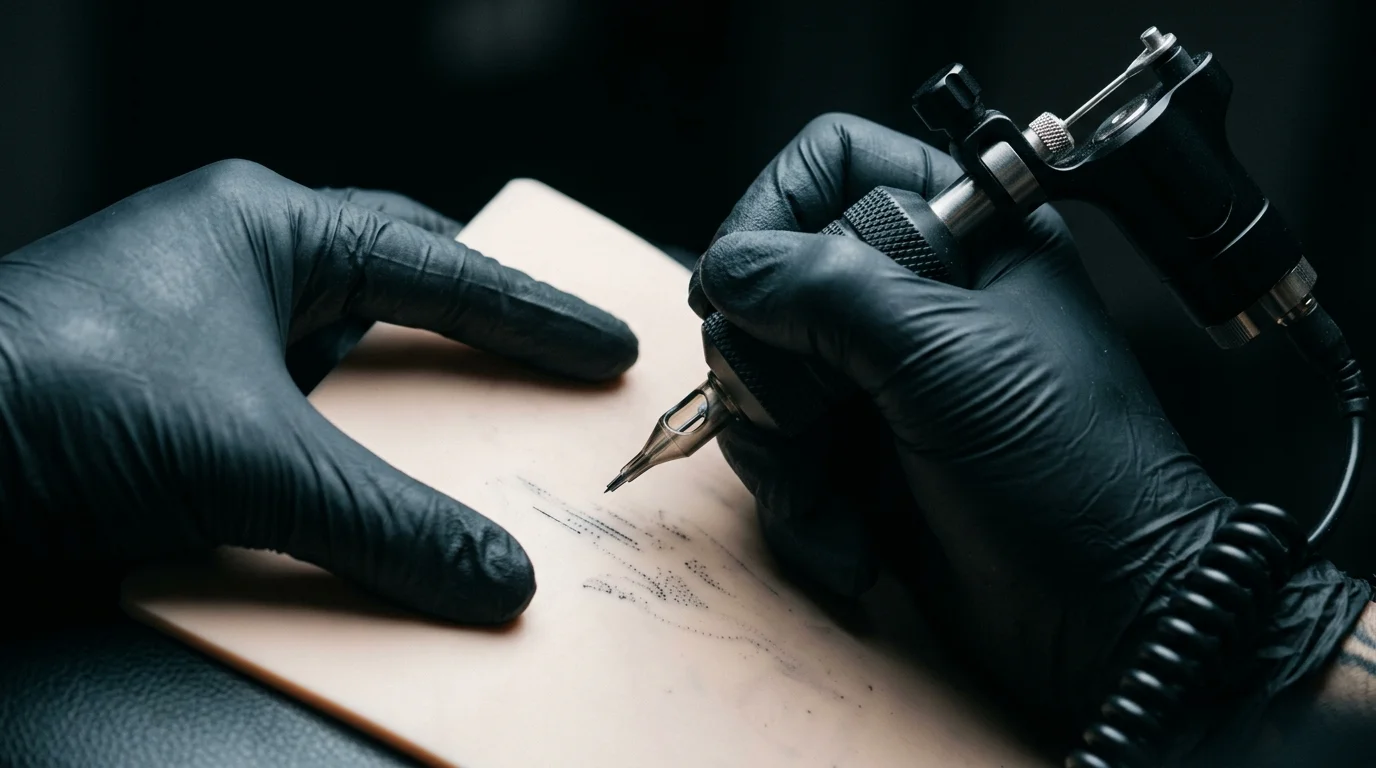
A state prison in Frackville, Pa., is preparing to teach tattooing as a licensed trade, launching what would be one of the first apprenticeship programs of its kind in an American state correctional facility.
The Pennsylvania Department of Corrections is recruiting an instructor to lead the Tattoo Artist Apprenticeship at SCI Frackville, a medium-security facility in Schuylkill County that houses more than 1,000 men. The program would be structured as a formal apprenticeship, consistent with Pennsylvania's broader model of U.S. Department of Labor-registered trades training inside its prisons.
The choice of tattooing is deliberate. Pennsylvania already runs more than 60 DOL-registered apprenticeship trades in its prisons, from barbering to welding, and tattooing fits an important criterion: unlike many licensed occupations, it generally does not bar people with felony records from working in the field. The U.S. tattoo industry is estimated at up to $3 billion annually, with experienced artists earning $50 to over $200 an hour.
Source: NationGraph.
The program also confronts one of corrections' persistent contradictions. Tattooing is banned inside Pennsylvania prisons, yet underground tattooing with improvised equipment is a chronic problem, linked to the spread of Hepatitis C and HIV. A formal program could redirect that existing skill while reducing the safety risks of the black market version.
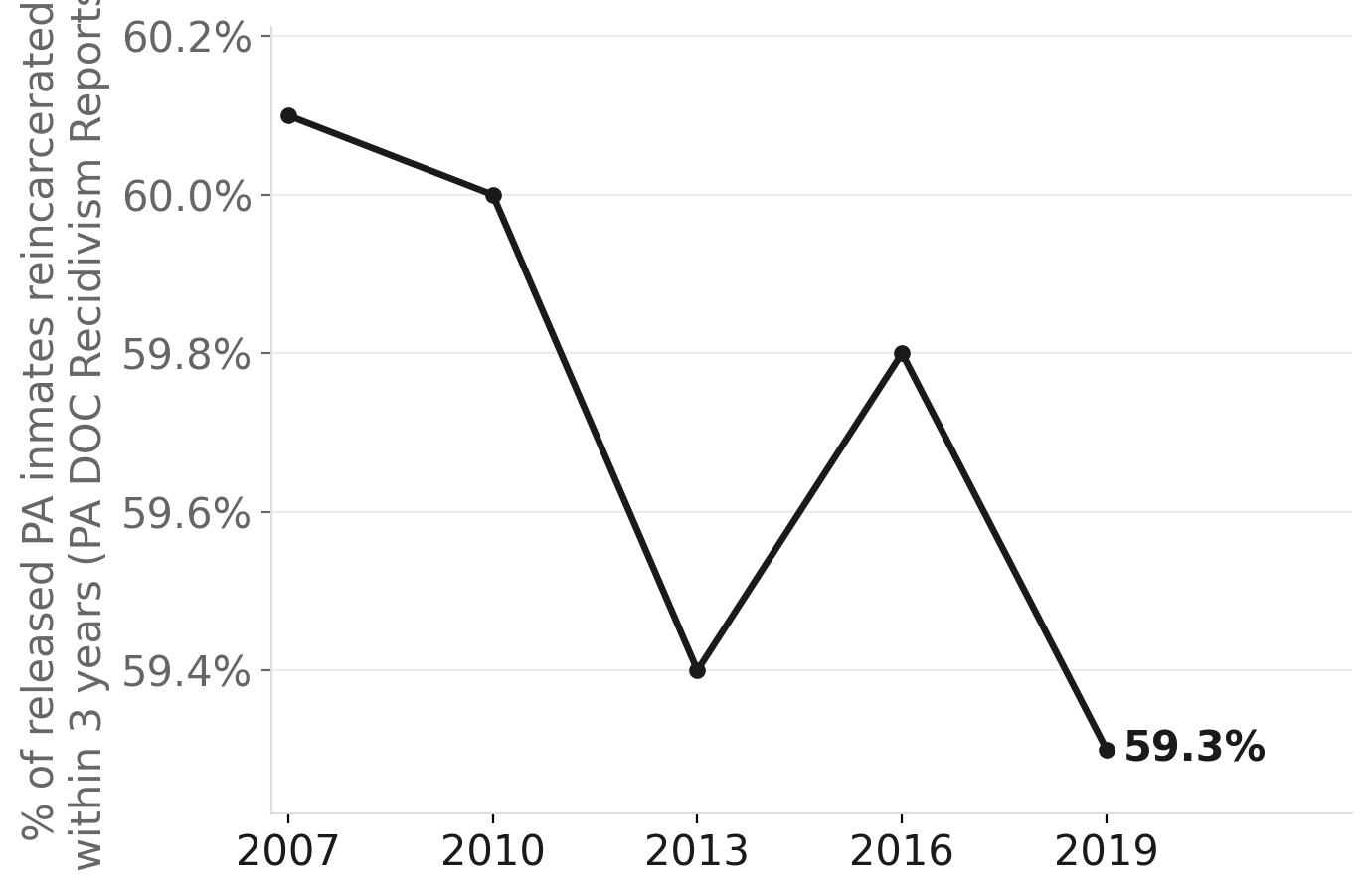
SCI Frackville has hosted vocational training in personal-services trades before, including cosmetology, giving it a foundation for this kind of hands-on instruction. The Shapiro administration has made workforce development a stated priority for the Department of Corrections under Secretary Laurel Harry, and research consistently shows that stable employment after release is among the strongest predictors of whether someone returns to prison. Pennsylvania's recidivism rate has historically hovered around 60% within three years of release.
Similar programs exist in a handful of county jails and in correctional systems in the United Kingdom and Canada, but a state-run tattoo apprenticeship would put Pennsylvania in rare company nationally. As previously reported, the program reflects a broader shift in how the state is thinking about which trades can realistically open doors for people with criminal records.
The contract's duration, cohort size and specific safety protocols have not been made public. How many men go through the program, and how many find work in the trade after release, will ultimately determine whether the bet pays off.