Federal grants matching stormwater keywords in Pennsylvania have reached $52.4 million in the trailing 90 days, a 72% jump from $30.4 million in the same window last year. That figure sounds like a dedicated water-quality investment surge. It is not, exactly. Most of the money is transportation funding, and the department receiving it is in a race against its own regulatory clock.
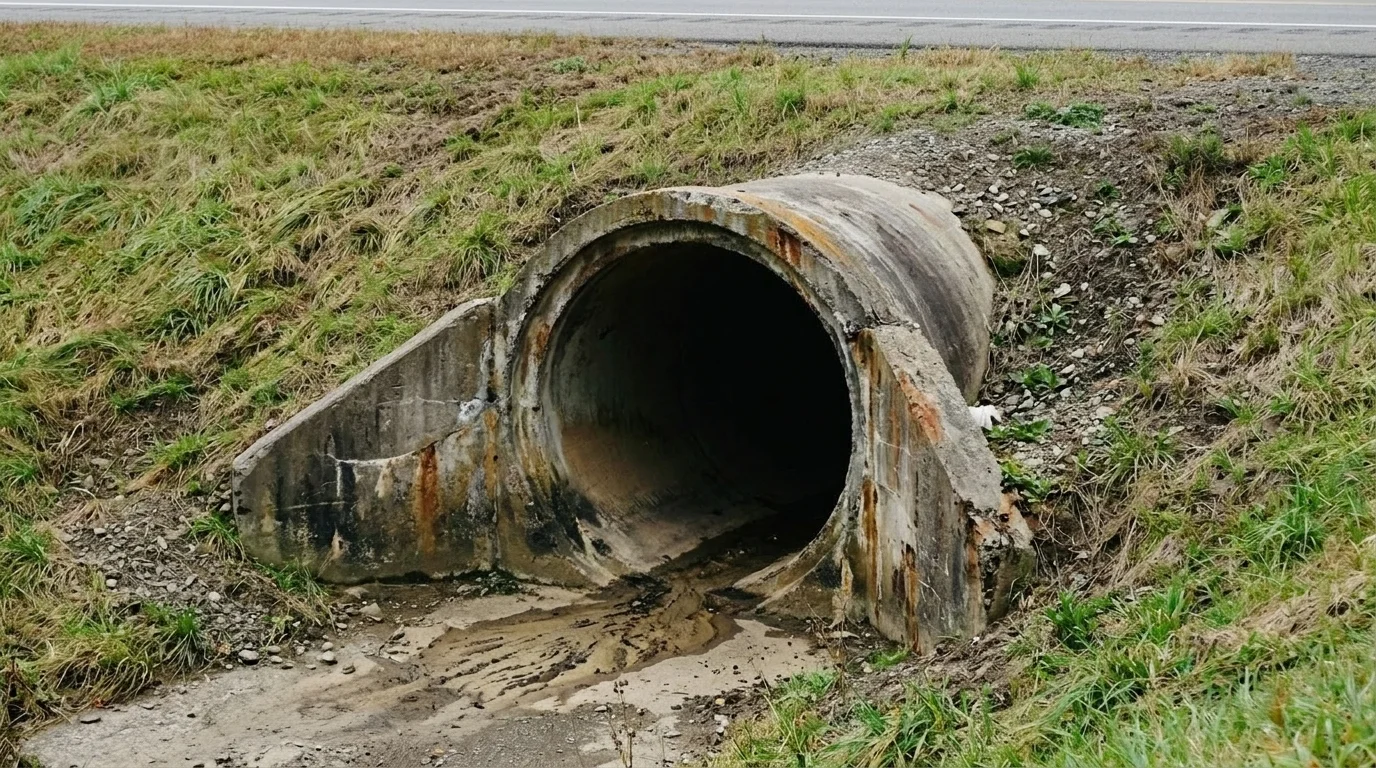
The three grants driving the total tell the real story. A $40.8 million INFRA award for a freight complex near the Lehigh Valley Airport and a $10 million Surface Transportation Block Grant for a Cottman Avenue streetscape in Philadelphia both include stormwater provisions as incidental components of larger road and freight projects. Neither is a stormwater program in the conventional sense. The clearest signal in the dataset is smaller and more specific: a $1.6 million IIJA PROTECT program award titled "Districtwide MS4-SWM Improvements Group 2," a contract to repair ten stormwater control measures on PennDOT-owned rights-of-way.
That $1.6 million project exists because PennDOT is under deadline pressure that no other state transportation agency in the region faces at the same scale. PennDOT's Individual MS4 Permit, which covers stormwater discharges from its road network, bridges, and maintenance facilities statewide, expired October 31, 2026. Before the department can seek renewal, it must demonstrate completed repairs to the stormwater control measures it has committed to manage. The PROTECT grants are the financial mechanism making those repairs possible.
The PROTECT program, created under the Infrastructure Investment and Jobs Act, funds surface transportation resilience against flooding and severe storms. Its purposes formally include drainage improvements and MS4 compliance as co-benefits of road infrastructure work, which is precisely how PennDOT is using it. The Pennsylvania Department of Transportation's IIJA grant portal describes PROTECT as targeting "cost-saving" resilience improvements, and fixing deteriorating stormwater control measures ahead of a permit renewal qualifies on both counts.
The permit deadline is not PennDOT's alone. Pennsylvania has 1,059 small municipal stormwater permittees, one of the largest MS4 programs in the country. PADEP's reissued PAG-13 General Permit set a September 30, 2026 notice-of-intent deadline for all of them. Municipalities that could not demonstrate compliance were required to apply for stricter individual permits instead. The new permit framework would require permittees to manage stormwater from 88 percent of impervious surfaces over a 50-year planning horizon, a substantial expansion of existing obligations. PADEP later indicated the final PAG-13 would not be published during 2026, leaving some municipalities in a compliance gray zone even as their deadlines passed.
For the municipalities that cannot tap transportation grant programs, a parallel funding channel exists. PENNVEST, the state's infrastructure finance authority, allocated $284 million in its most recent round for water infrastructure including stormwater mitigation, blending federal IIJA funds, EPA grants, and voter-approved state bond dollars. That money operates entirely separately from PennDOT's permit obligations and serves the local permittees working through PADEP's process. The two channels share a regulatory parent, the Clean Water Act's NPDES framework, but different actors and different financial mechanisms.
The contrast with neighboring states is sharp. Virginia, New York, Maryland, New Jersey, and Delaware have each received less than $2 million in stormwater-related federal grants over the same 90-day window, and none approaches Pennsylvania's total even in aggregate. Part of that gap is structural: Pennsylvania sits at the headwaters of the Chesapeake Bay watershed, making stormwater runoff a federal Bay TMDL obligation on top of a state Clean Streams Law requirement. Part of it is PennDOT's sheer footprint, a statewide individual permit covering an entire road network is an unusual compliance instrument that few state DOTs carry.
The EPA's dedicated stormwater program, the Sewer Overflow and Stormwater Reuse Municipal Grant, sent Pennsylvania just $2.73 million combined across fiscal years 2025 and 2026, a small fraction of the IIJA-driven PennDOT totals. The practical implication is that if you are tracking where federal stormwater dollars actually flow in Pennsylvania, you are tracking a transportation agency, not an environmental one.
The next signal to watch is a pair of open PennDOT procurements posted October 1, 2026, covering "Districtwide MS4/SWM Improvements" in Montgomery, Bucks, and Chester Counties, with bids due in November. Each is estimated at $1 to $2.5 million. If PennDOT awards them and the PROTECT funding follows, it will confirm that the department is running a systematic statewide repair program district by district, not responding opportunistically to individual project needs. PADEP's decision on when to publish the final PAG-13 will determine whether the 1,059 local permittees face the same compressed timeline in the next permit cycle, and whether PENNVEST funding scales to meet it.