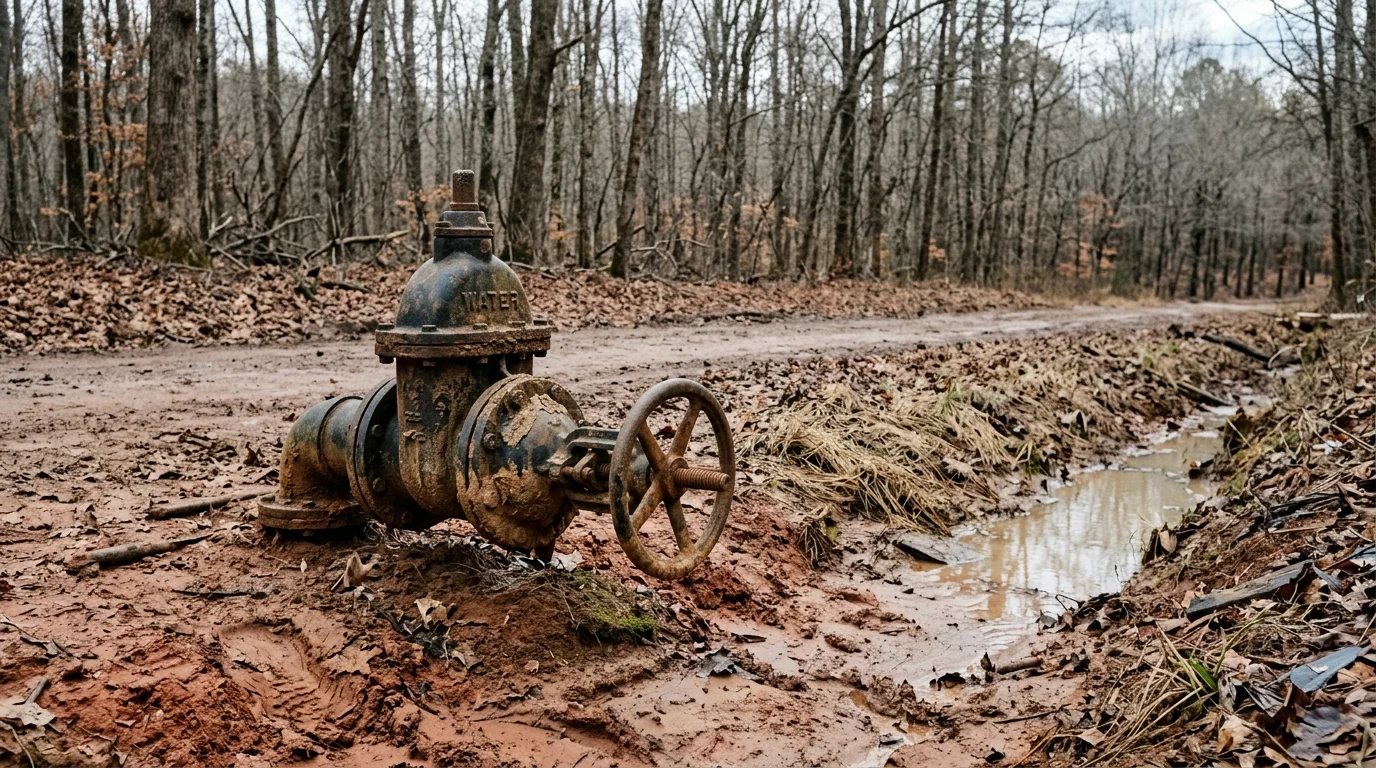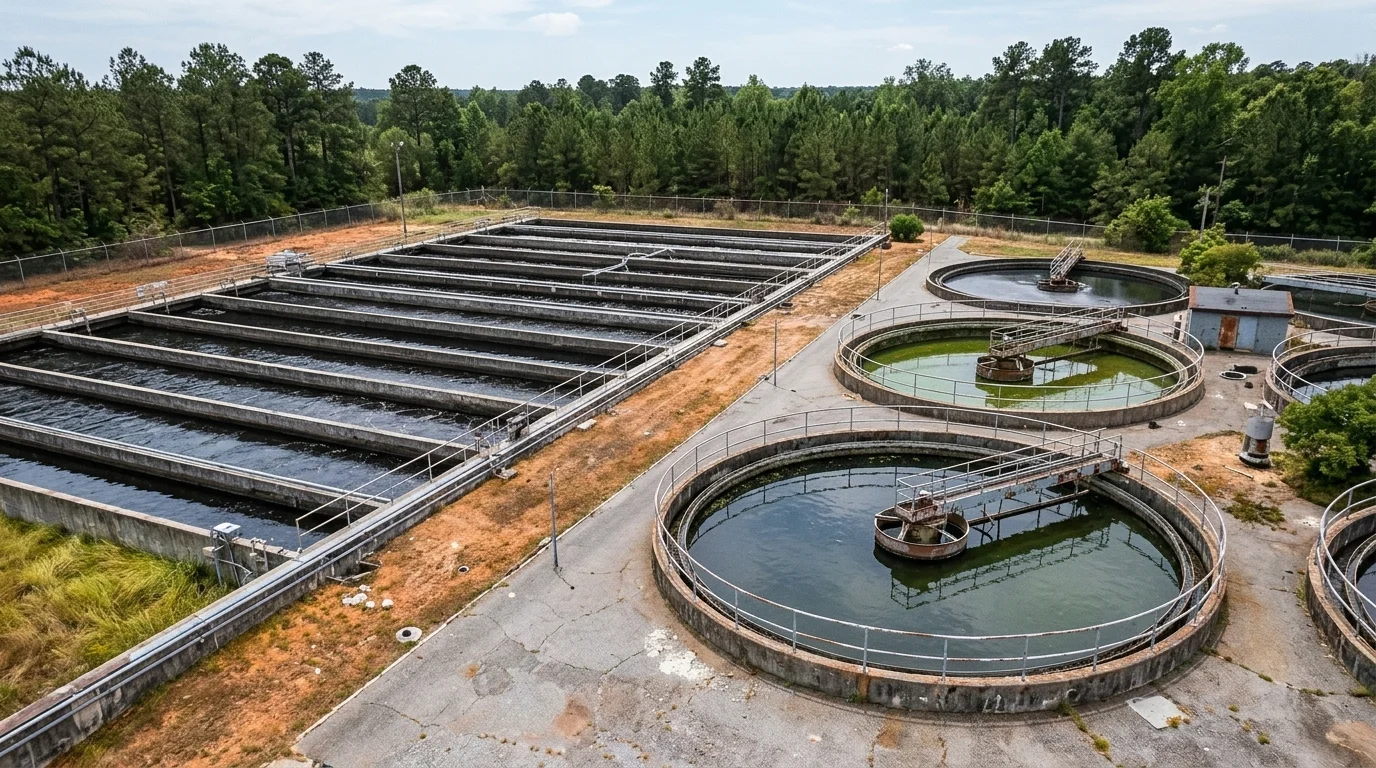
A small rural community in southeast Georgia is overhauling its drinking water treatment plant to strip out PFAS, the synthetic "forever chemicals" linked to cancer, thyroid disease and developmental harm, as a 2029 federal deadline forces water utilities of every size to act.
Offerman, a community of a few hundred people in Pierce County between Waycross and Brunswick, has posted a solicitation through the Georgia Procurement Registry for a contractor to upgrade its existing treatment plant specifically for PFAS reduction. The project would be one of the more significant infrastructure undertakings a community this size has faced.
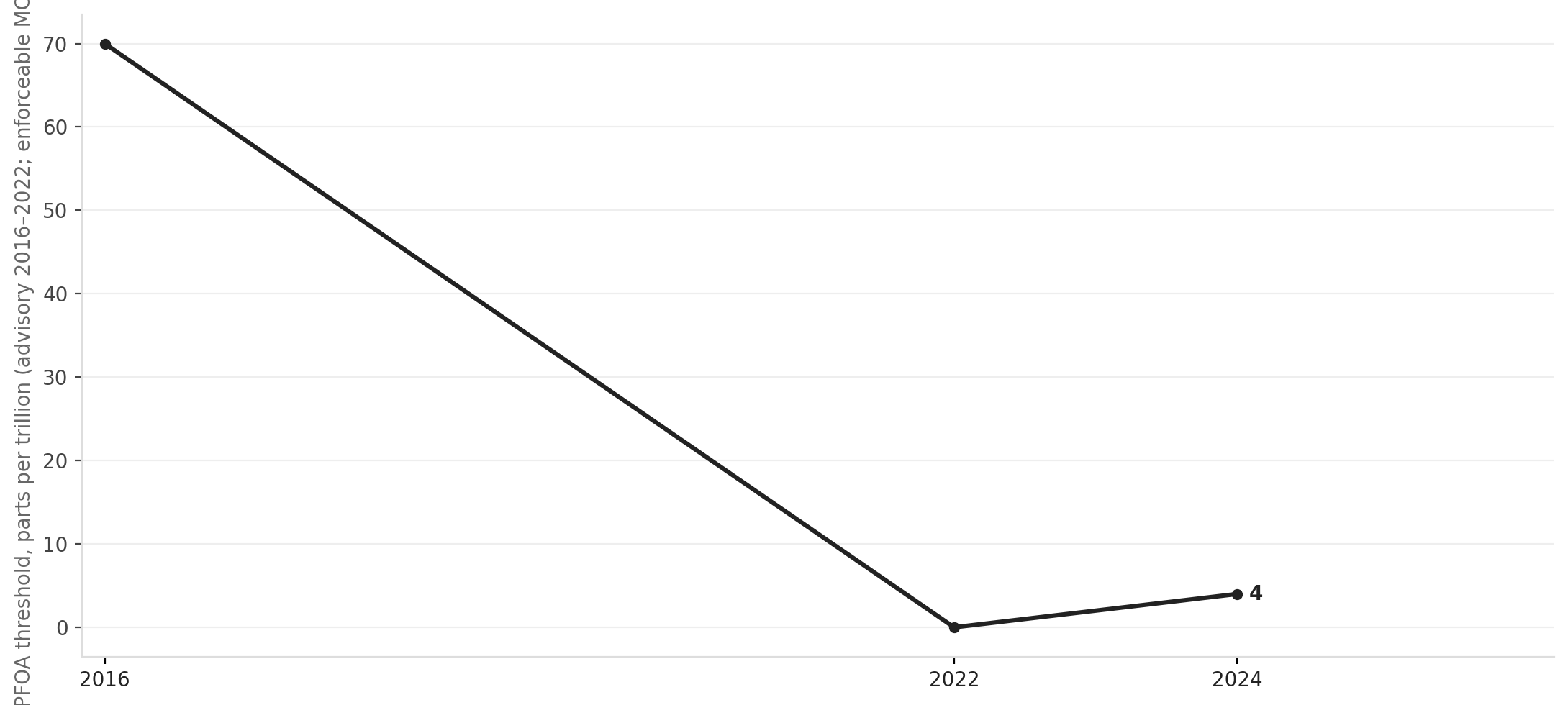
PFAS, short for per- and polyfluoroalkyl substances, are a class of roughly 15,000 synthetic compounds used since the 1940s in products ranging from Teflon and Scotchgard to firefighting foam. They earned the "forever chemicals" label because they don't break down in the environment or the human body. In April 2024, the EPA finalized the first legally enforceable federal limits on PFAS in drinking water, setting a maximum of 4 parts per trillion for two of the most common compounds. Every public water system in the country must comply by 2029.
Source: NationGraph.
For small systems like Offerman's, that deadline carries an outsized financial burden. Treatment technologies capable of removing PFAS, including granular activated carbon filters and reverse osmosis systems, can cost anywhere from $1 million to well over $50 million depending on the scale. With only a few hundred ratepayers to spread costs across, even a modest upgrade can translate into steep increases on monthly water bills.
Southeast Georgia has several potential sources of PFAS contamination. Military installations in the region, including Fort Stewart and Kings Bay Naval Submarine Base, used AFFF firefighting foam for decades, a major source of PFAS releases nationwide. The region's paper and pulp industry and widespread application of biosolids on farmland are also known pathways.
The project's specific budget and the PFAS levels detected in Offerman's water were not disclosed in the solicitation. Funding for upgrades like this can flow through the Bipartisan Infrastructure Law, which directed $10 billion toward PFAS and emerging contaminant treatment between 2022 and 2026, as well as from settlements reached with 3M and DuPont, which together agreed to pay more than $11 billion to resolve PFAS contamination claims. Georgia communities have pursued similar accountability: cities in the state's northwest sued carpet manufacturers over PFAS pollution tied to Dalton's flooring industry, winning tens of millions in settlements.
The question of who ultimately bears the cost of cleanup, ratepayers, federal taxpayers, or the chemical companies that introduced PFAS into the environment, remains unresolved for most small systems. For Offerman, the more immediate question is whether the plant can be built and operating before the federal clock runs out.