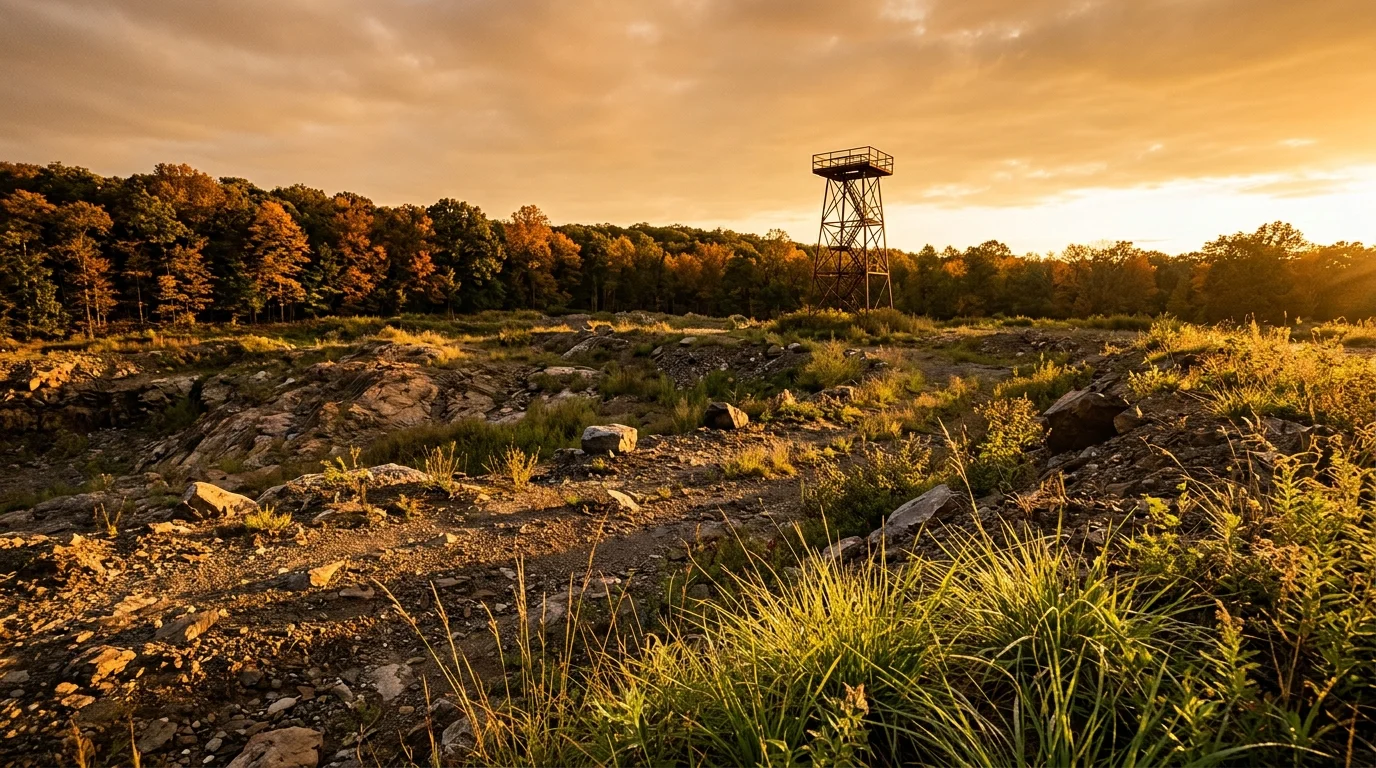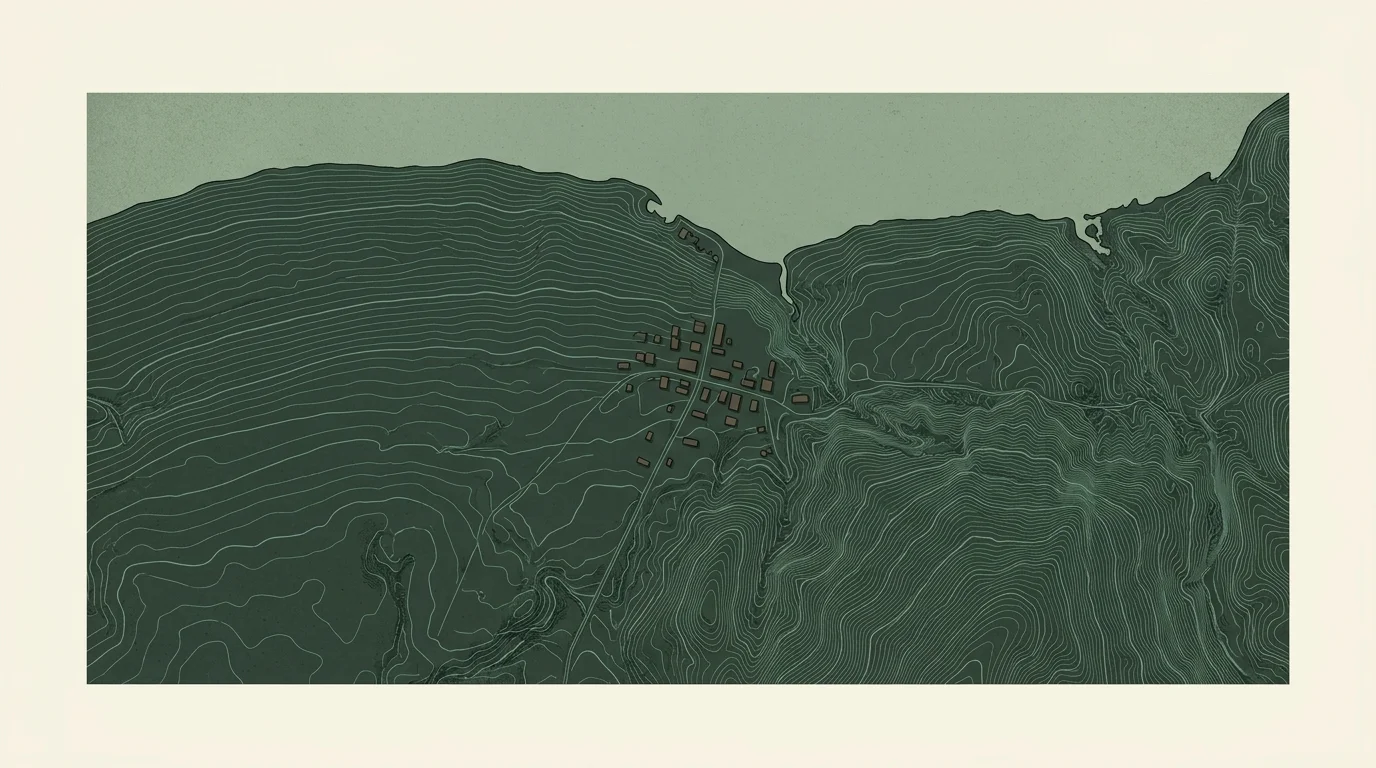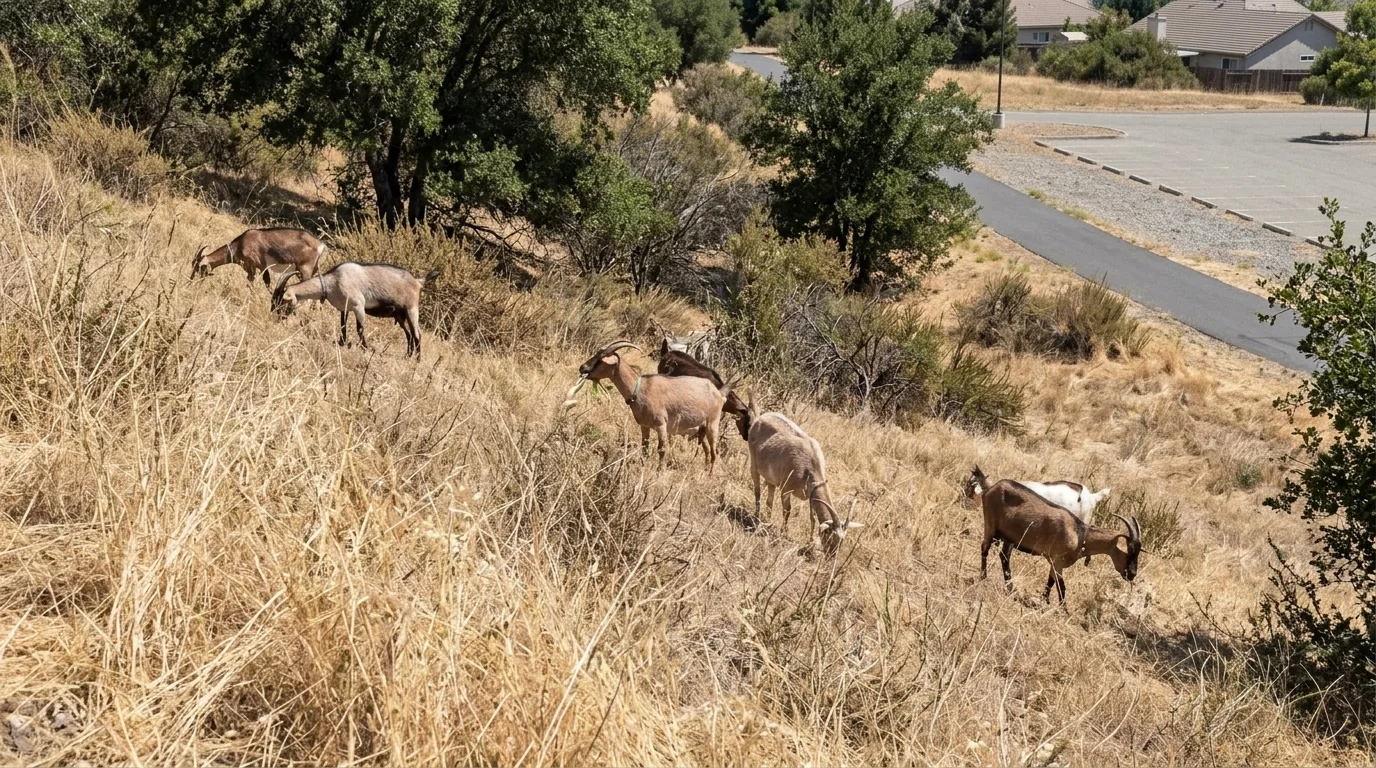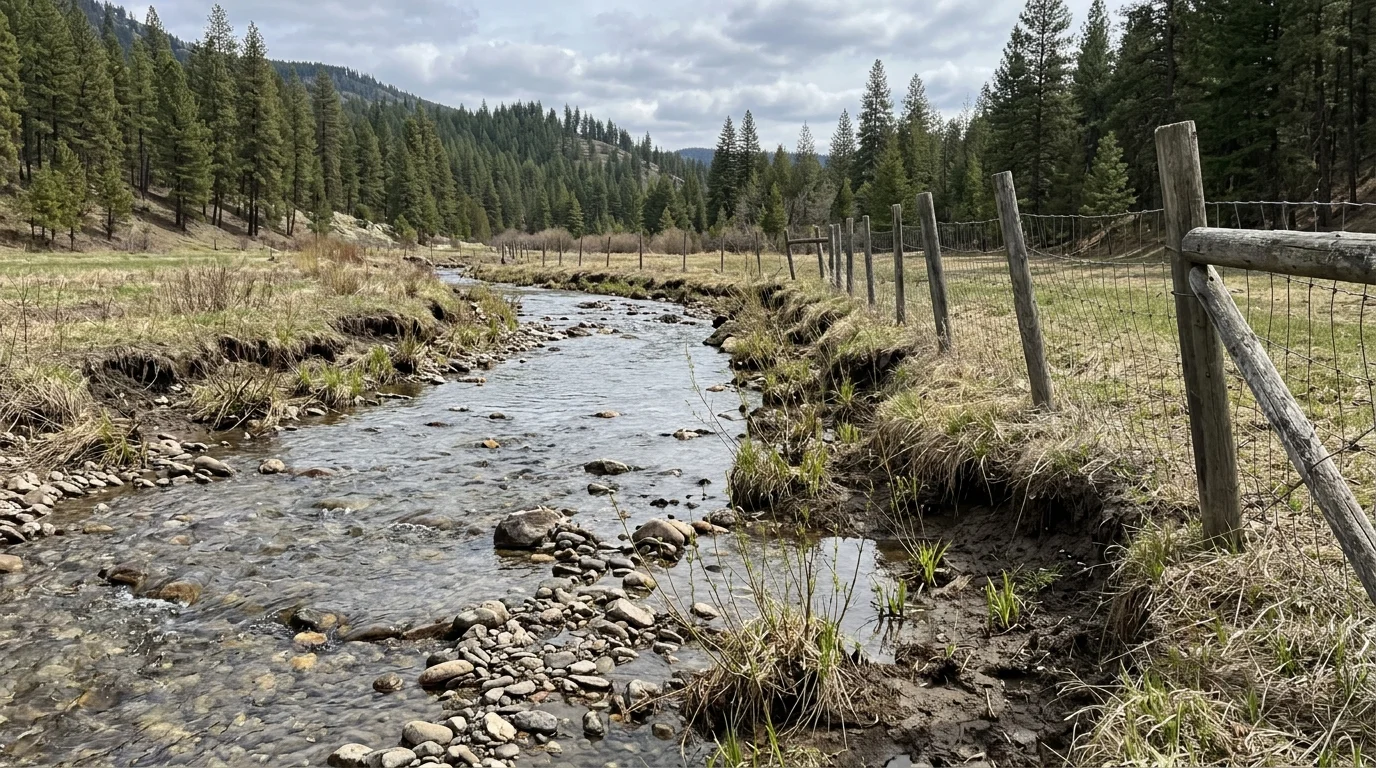
On a remote tributary of the Clearwater River in north-central Idaho, the Nez Perce Tribe is moving to restore a degraded streamside meadow on Big Elk Creek, installing native plants and fencing out livestock in an effort to rebuild the watershed conditions that salmon and steelhead need to survive.
The project, led by the tribe's Department of Fisheries Resources Management Watershed Division, targets the kind of riparian habitat that a century of cattle grazing, logging and road-building steadily stripped away from streams across the Clearwater and Salmon River basins. Willows, sedges and native forbs once shaded spawning gravels, filtered sediment and helped meadows hold water through dry summers. Decades of livestock access collapsed stream banks, incised channels and replaced native vegetation with bare ground. Big Elk Creek flows through prime habitat for Chinook salmon, steelhead and bull trout, all listed under the Endangered Species Act.
The restoration formula the tribe is using, planting natives and fencing livestock out, has been the standard approach since the 1990s. What makes these small projects significant is who is doing them and why. The Nez Perce, whose 1855 treaty reserved fishing rights across a vast ceded territory in the Pacific Northwest, have built one of the largest tribal natural resources programs in the country. The tribe's fisheries department employs hundreds of people, operates hatcheries and research programs, and runs watershed crews funded largely through Bonneville Power Administration mitigation dollars, a recognition that the federal hydropower system's dams helped push Snake River salmon to the edge of extinction.
That larger political framework is currently unsettled. A 2023 agreement between the Biden administration and six tribal and state sovereigns, including the Nez Perce, committed more than $1 billion to tribal-led restoration in exchange for a pause in dam-breaching litigation. The Trump administration withdrew from that deal in 2025, leaving the region's salmon recovery strategy in limbo. In the meantime, the tribe's watershed crews keep working.
Big Elk Creek's watershed sits largely on U.S. Forest Service land, so the project requires coordination with the Nez Perce-Clearwater National Forests, and fencing typically means negotiating with ranchers who hold federal grazing permits on those allotments. The tribe has not disclosed the project's cost, acreage or other specifics. Details are available through the tribe's project bids and RFPs page, where contractor selection is now underway.