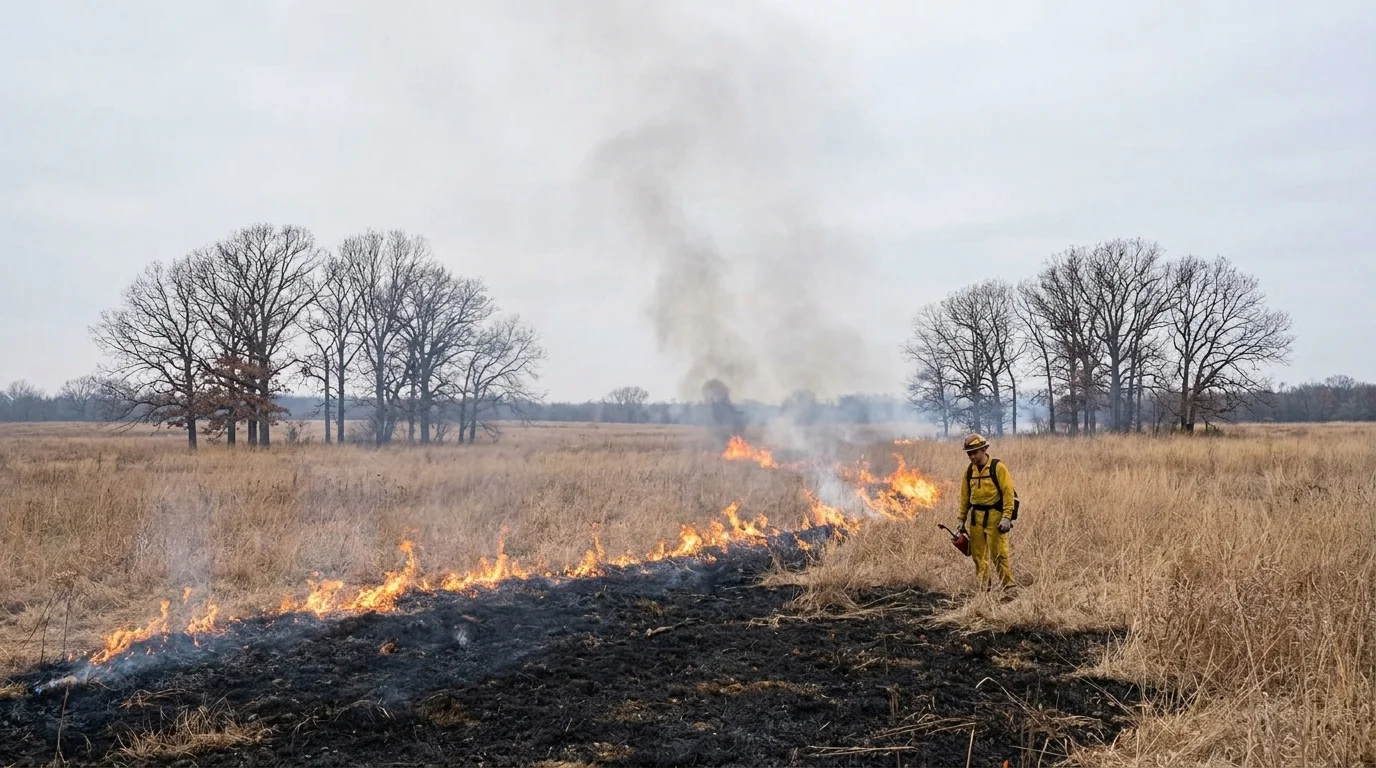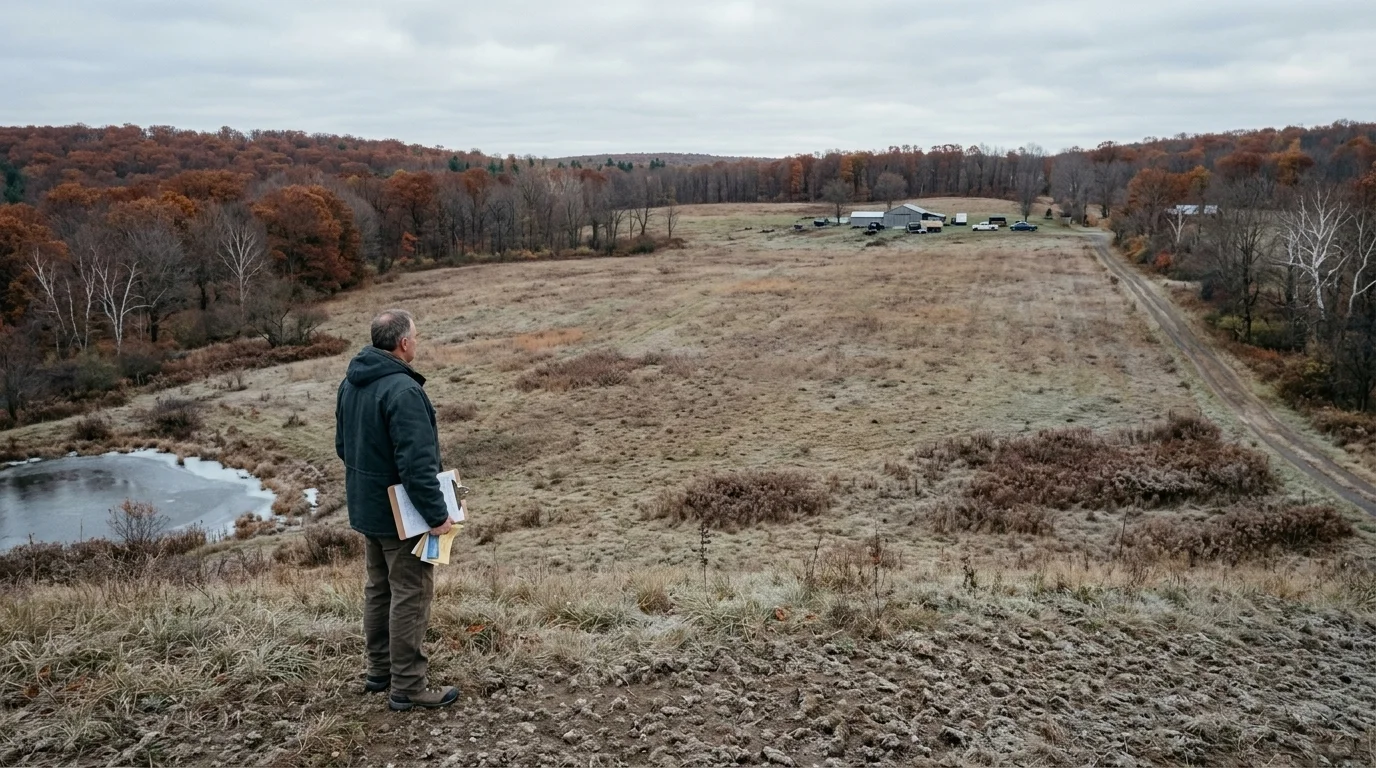
Twelve New York institutions issued their first housing-related RFP in more than a year during the 30 days ending September 6, 2026, and the most telling one came from a town of 1,653 people in Washington County.
Greenwich, New York, hasn't touched housing procurement in over a year. In late August it put out a request for qualifications for professional services on a 49-acre town-owned vacant parcel. The work is funded through New York State Homes and Community Renewal's TAG (Technical Assistance to Grow Pro-Housing Communities) grant program, which awards up to $250,000 per certified municipality for competitively procured planning, engineering, and urban-design services. That competitive procurement requirement is precisely what generates an RFP. Greenwich didn't suddenly discover a housing crisis. It discovered a funding window, and a closing date.
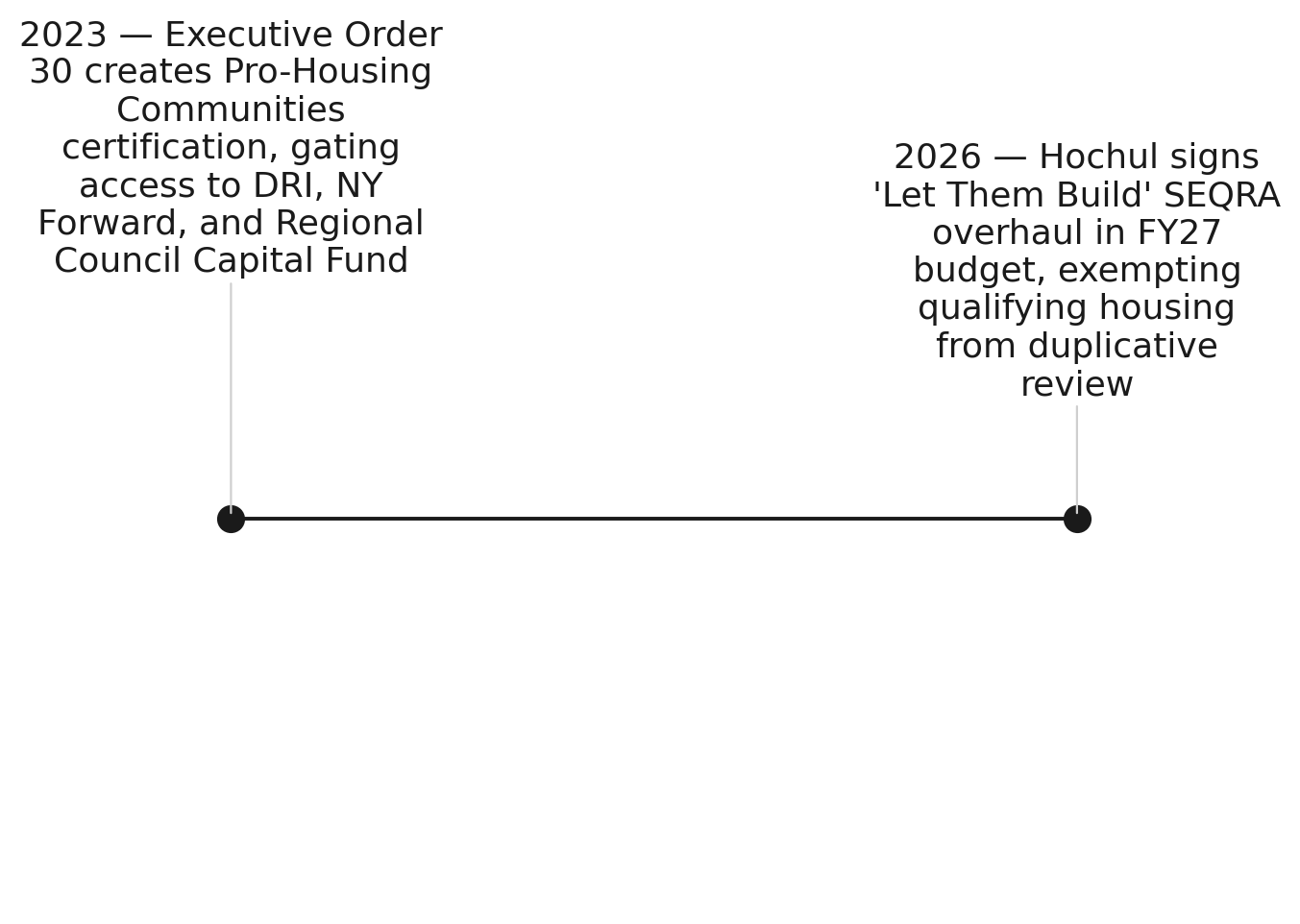
Two distinct state-level actions converged in summer 2026 to produce what the RFP market is now reflecting. Governor Hochul signed the 'Let Them Build' SEQRA reforms into the FY27 budget on May 27, 2026. That law exempts qualifying housing projects from duplicative environmental review, reducing the entitlement risk that has historically made smaller municipalities reluctant to invest in planning at all. If a town-commissioned feasibility study leads to a shovel-ready site, developers now face a materially shorter regulatory gauntlet. The legal runway got longer.
Source: NationGraph.
Separately, HCR's TAG program put $5 million on the table, up to $250,000 per grantee, and required recipients to competitively hire qualified firms to spend it. Chautauqua County received a $250,000 TAG award announced August 24, 2026, days before the cluster of first-timer RFPs appeared. The sequencing is not coincidental: TAG awards flow, municipalities post procurements, consultants compete, and the housing planning machinery that had been idle for years starts turning.
These are two administratively distinct programs doing complementary things. The SEQRA reforms lower the cost and risk of acting; the TAG grants pay for the first move. The mechanism that ties them together is Pro-Housing Communities certification, an eligibility gate created by Executive Order 30 in July 2023. A municipality that is not certified cannot receive TAG funding. It also cannot compete for the Downtown Revitalization Initiative, NY Forward, or the Regional Council Capital Fund, the state's largest economic development programs. That is an unusually coercive condition for a state grant framework, and it is working as designed.
Peekskill, in Westchester County, illustrates a different entry point into the same machinery. The city issued an RFQ for an affordable housing consultant to guide its Planning Commission and Common Council on affordability requirements for new residential developments. Peekskill is not a dormant small town; it is a mid-sized Hudson Valley city with active development pressure. But issuing this RFP now signals that even municipalities with existing planning capacity are formalizing their Pro-Housing posture to protect their eligibility for the next round of state competitive funding.
The broader market context confirms this is a genuine re-entry signal. The New York housing RFP market has run at a steady cadence of 30 to 50 issuing institutions per month through 2026. Twelve first-timers in a single 30-day window, concentrated in late August, is a deviation from that baseline, not a data artifact. The institutions reappearing are notably small and upstate, communities that have been passive participants in the state housing apparatus for years.
That geography matters. Governor Hochul's announcement of the $5 million TAG awards framed the program as a tool to reach exactly these places: certified communities that want to build but lack the technical staff to move from intention to procurement. For a town like Greenwich, a $250,000 grant to hire an engineer to assess a 49-acre parcel is the difference between the land sitting idle and a feasibility study that could attract a developer.
For residents of these municipalities, the near-term change is procedural but consequential. Planning commissions that have not evaluated housing sites in years are now under contract with consultants who will deliver recommendations. Those recommendations will go to elected bodies that, if they act on them, keep the municipality in good standing for the next certification cycle and the next funding round. The certification-gating structure means the pressure doesn't ease after one grant; it compounds.
The next signal to watch is whether the $100 million Pro-Housing Supply Fund, a state appropriation opened for applications in May 2025 to finance the sewer, electrical, and water infrastructure that new housing requires, draws a similar surge of first-time applicants from the municipalities now completing their TAG-funded planning work. If the feasibility studies Greenwich and its peers are commissioning this fall identify viable sites, infrastructure grant applications would follow in 2027. That would be the second half of a two-step sequence the state has explicitly designed: plan first, build the pipes after.