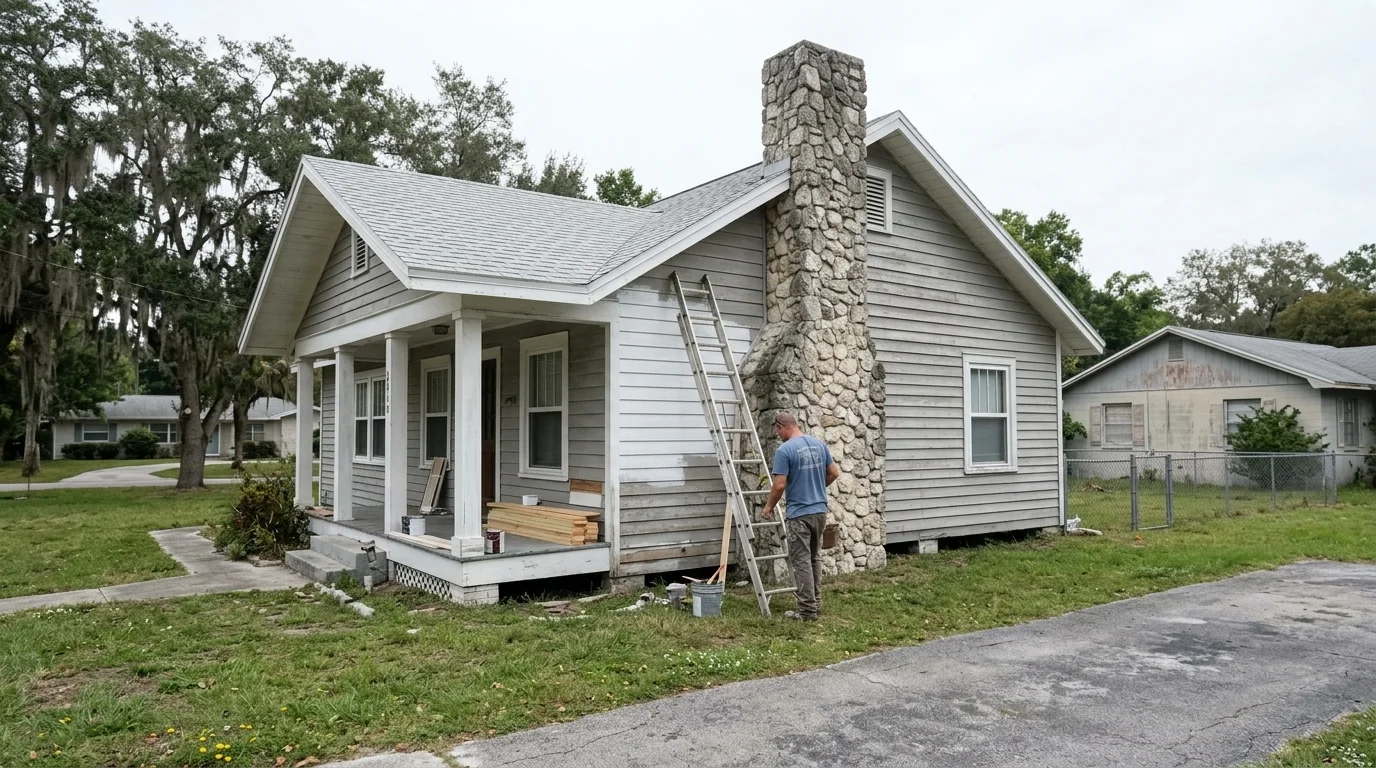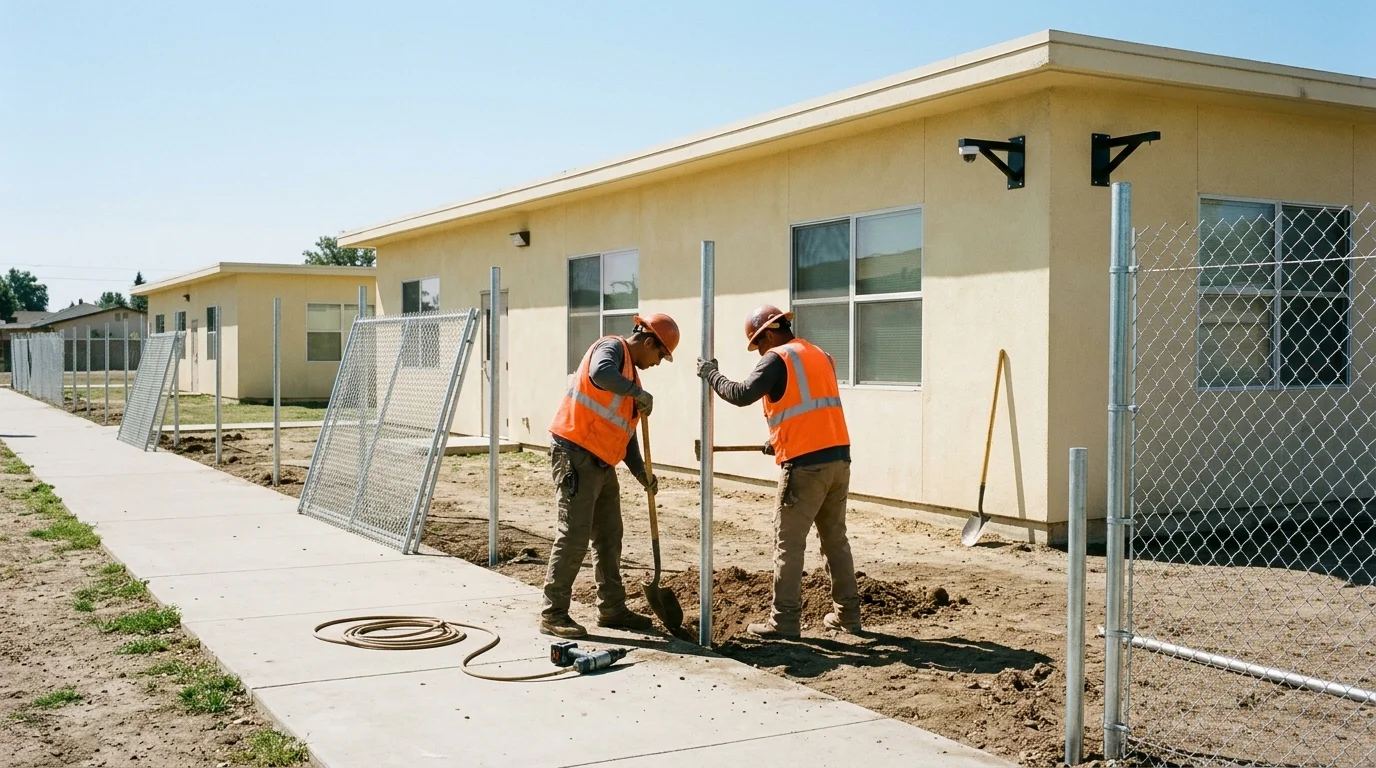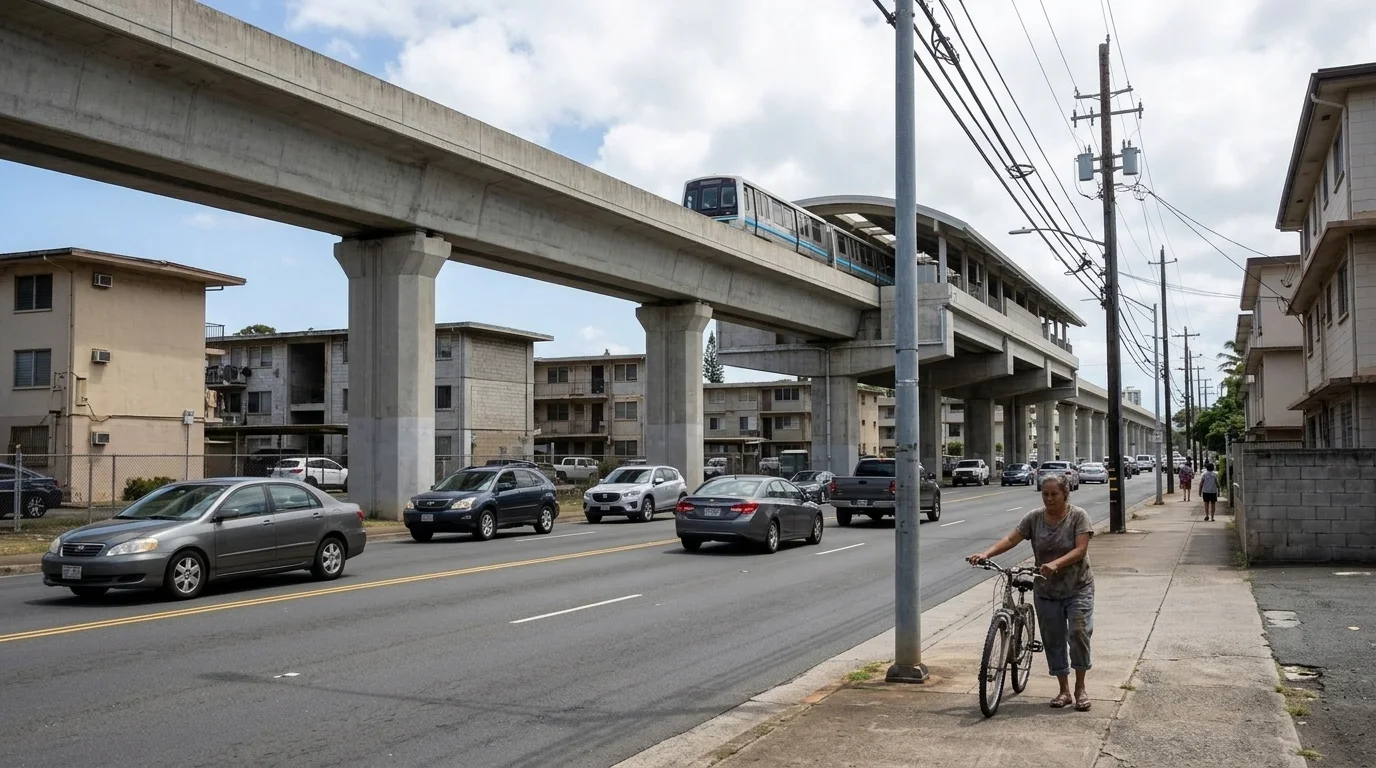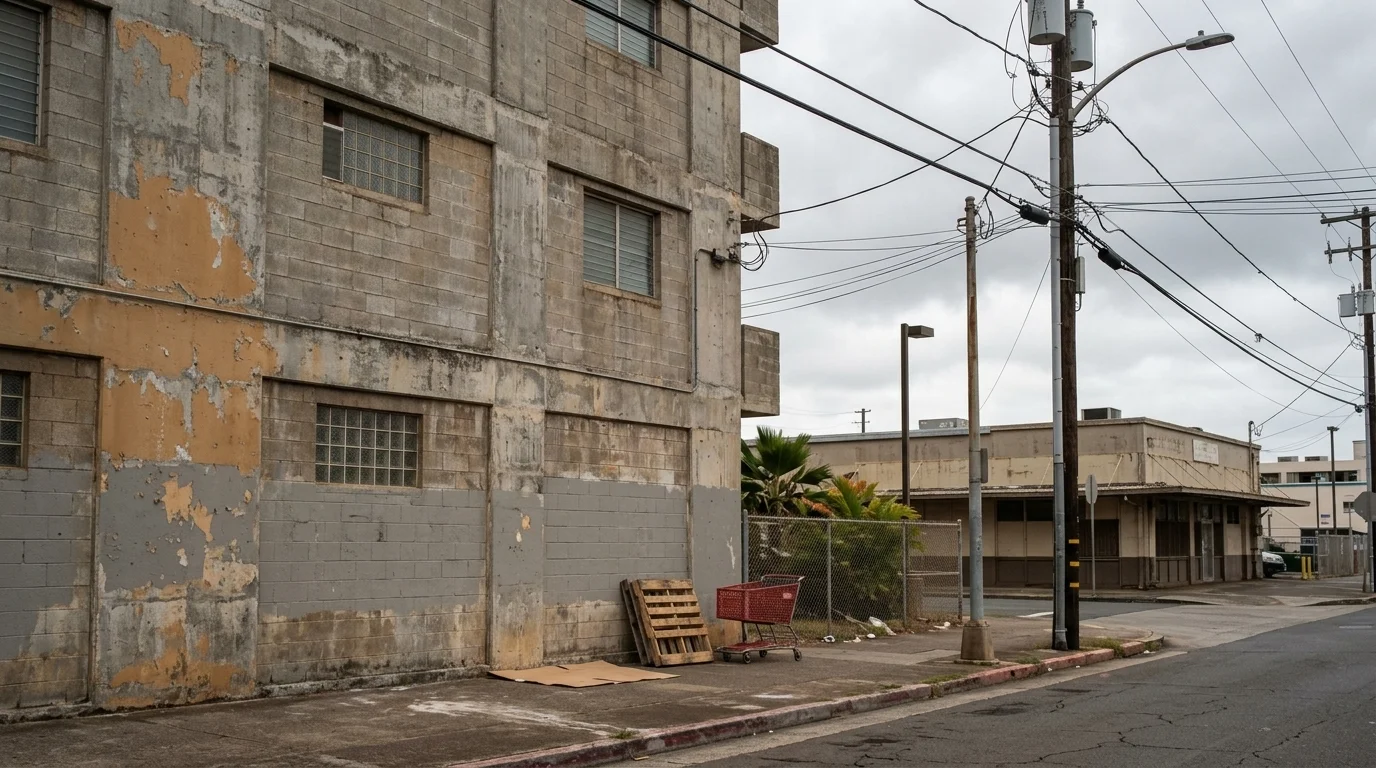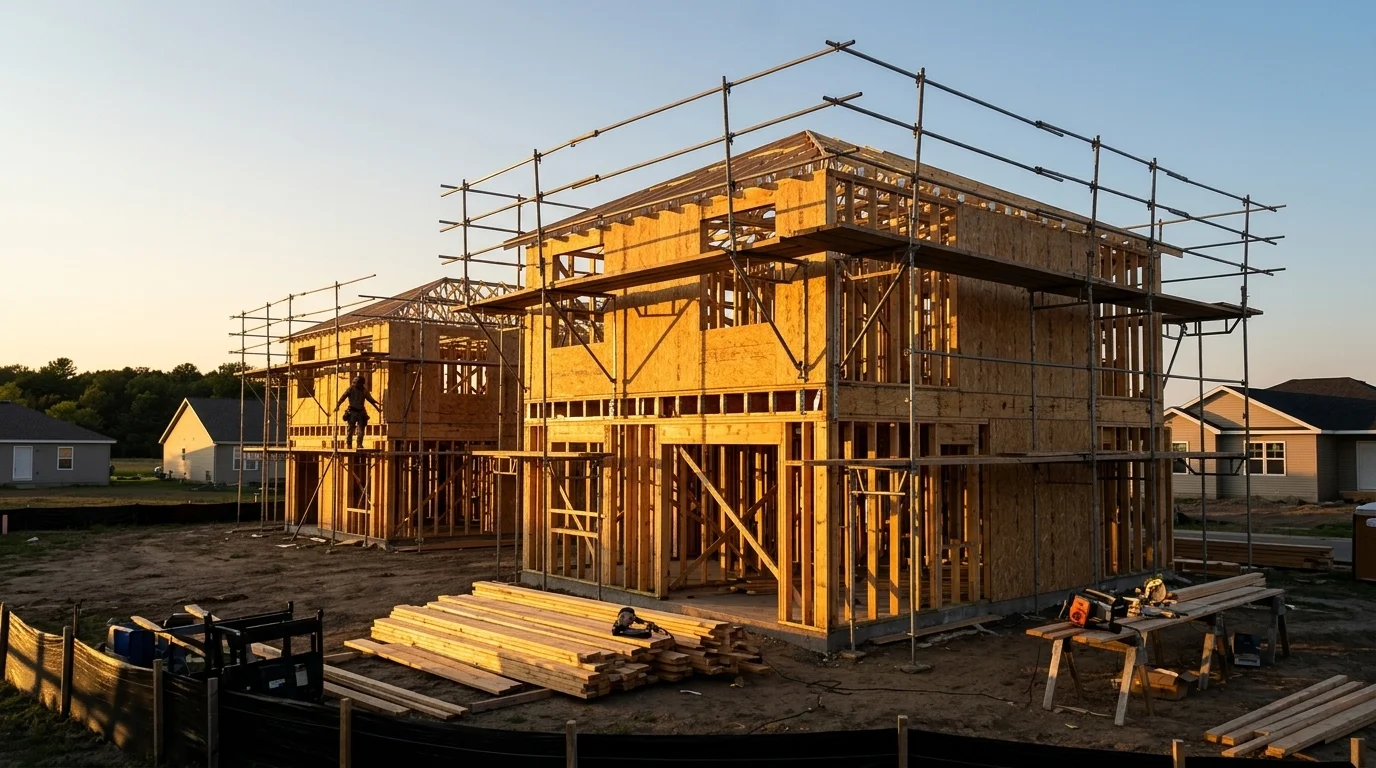
New York municipalities issued 391 housing RFPs in October 2026, roughly six times the trailing monthly average of about 62, the highest single-month total in at least 13 months. The spike is not a New York City story. The top issuing entities include Batavia, Lancaster, East Hampton, the Cortland Housing Authority, the White Plains Housing Authority, and NYS OTDA, a statewide spread that reflects how thoroughly two distinct state policies have rewired the incentives facing local governments.
For years, New York municipalities that wanted to build housing faced a structural problem: even when land was available and capital was committed, the State Environmental Quality Review Act could add two years or more to any significant project. SEQRA was not designed to stop housing, but its open-ended review timelines functioned as a soft veto that allowed opponents to stall projects indefinitely. Localities knew the delays were coming and planned around them, which meant procurement clocks rarely started.
Governor Hochul's 'Let Them Build' budget act, signed May 27, 2026, removed that barrier by statute. Qualifying infill housing projects on previously developed sites are now exempt from SEQRA review. Outside New York City, the exemption applies up to specified density thresholds; inside the city, projects up to 250 units (500 in high-density districts) can skip environmental review entirely. The law also set a two-year hard deadline for Environmental Impact Statements, capping the delay even for projects that do require review.
The regulatory change is one lever. The financial lever is different and operates through a separate mechanism. The Pro-Housing Communities Program, launched by Executive Order 30 in 2023 and strengthened through the FY2025 and FY2026 budget cycles, gates access to up to $750M in discretionary state capital on a municipality obtaining Pro-Housing certification. That pool covers the Downtown Revitalization Initiative, NY Forward, the Regional Council Capital Fund, and several other programs that localities depend on for infrastructure spending. More than 420 municipalities are now certified, and certification has become a hard eligibility requirement, not a preference.
The state made the connection between certification and procurement even more explicit in February 2026, awarding $5 million in technical assistance grants to certified communities and listing "RFP preparation" as an explicitly eligible activity. That grant round preceded a secondary RFP spike in February (111 RFPs) and another in May (116 RFPs), when the SEQRA reform passed. October's 391 is the crest of that building wave, not an isolated event.
The capital base being deployed through this new procurement activity is substantial. Active HUD housing grants to New York currently total $972 million in obligated funds, with roughly $170 million disbursed so far. The gap between obligation and disbursement reflects the pipeline problem the SEQRA reform was designed to solve: money committed but projects not yet shovel-ready. Hochul's broader five-year housing plan, funded through a combination of state bond bills and state appropriations, has authorized $25 billion over FY2023 through FY2028, with more than $20 billion deployed to date. The plan recorded its best single year in FY2025-26, with more than 22,000 affordable homes created or preserved, the highest single-year total under the plan.
What makes October's number significant is its geography. A surge concentrated in New York City would be expected given the city's scale and its own zoning reforms running in parallel. A surge that shows up simultaneously in a small upstate city like Batavia, a Long Island township like Lancaster, an East End village like East Hampton, and suburban housing authorities in Westchester points to something structural. The Pro-Housing Communities Program's 420-plus certified municipalities span every region of the state, and the SEQRA exemption applies statewide. The procurement wave is not following a single market dynamic; it is following the policy geography.
For residents in certified communities, the near-term signal is a compressed timeline between RFP and groundbreaking. Projects that would have spent 18 to 24 months in environmental review can now move to construction documents within months. For residents in municipalities that have not yet sought Pro-Housing certification, the gap in access to state discretionary capital is becoming more visible with each budget cycle.
The open question is whether October's volume holds into the winter procurement cycle, or whether the surge reflects a one-time clearing of a years-long backlog of projects that were ready to go the moment SEQRA no longer applied. The answer will be visible in the November and December RFP counts. If volume stays elevated above 150 per month, the state's bet that removing the regulatory barrier would permanently shift the procurement baseline will have been correct. If it falls back toward the 60-per-month range, the October spike was a release valve, not a new floor.