Montana has posted a construction bid for a project called "Mt. GOAT," and the state isn't saying much about what it is.
The solicitation appeared on the Rocky Mountain Bid System in mid-August 2026, listed simply as the "Mt GOAT Site Construction Project." The issuing agency isn't named in the record, and the acronym is never spelled out. That ambiguity has raised eyebrows: the name could reference Montana's mountain goat management programs, a grazing administration initiative, or a geospatial monitoring installation, among other possibilities.
Whatever the acronym means, the project is real infrastructure. An Invitation for Bid is used for fixed-scope construction work, meaning the state already knows what it wants built and is looking for the lowest qualified bidder to build it.
Source: NationGraph.
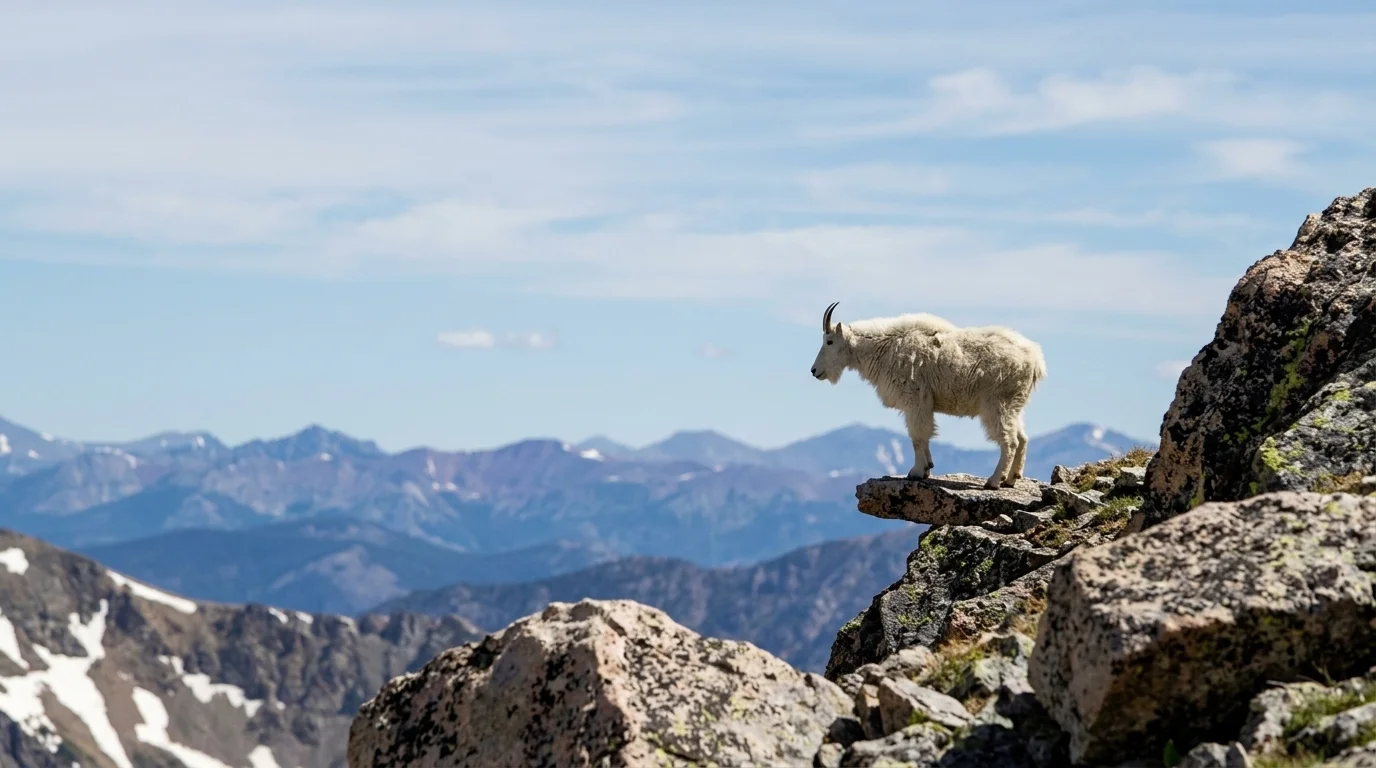
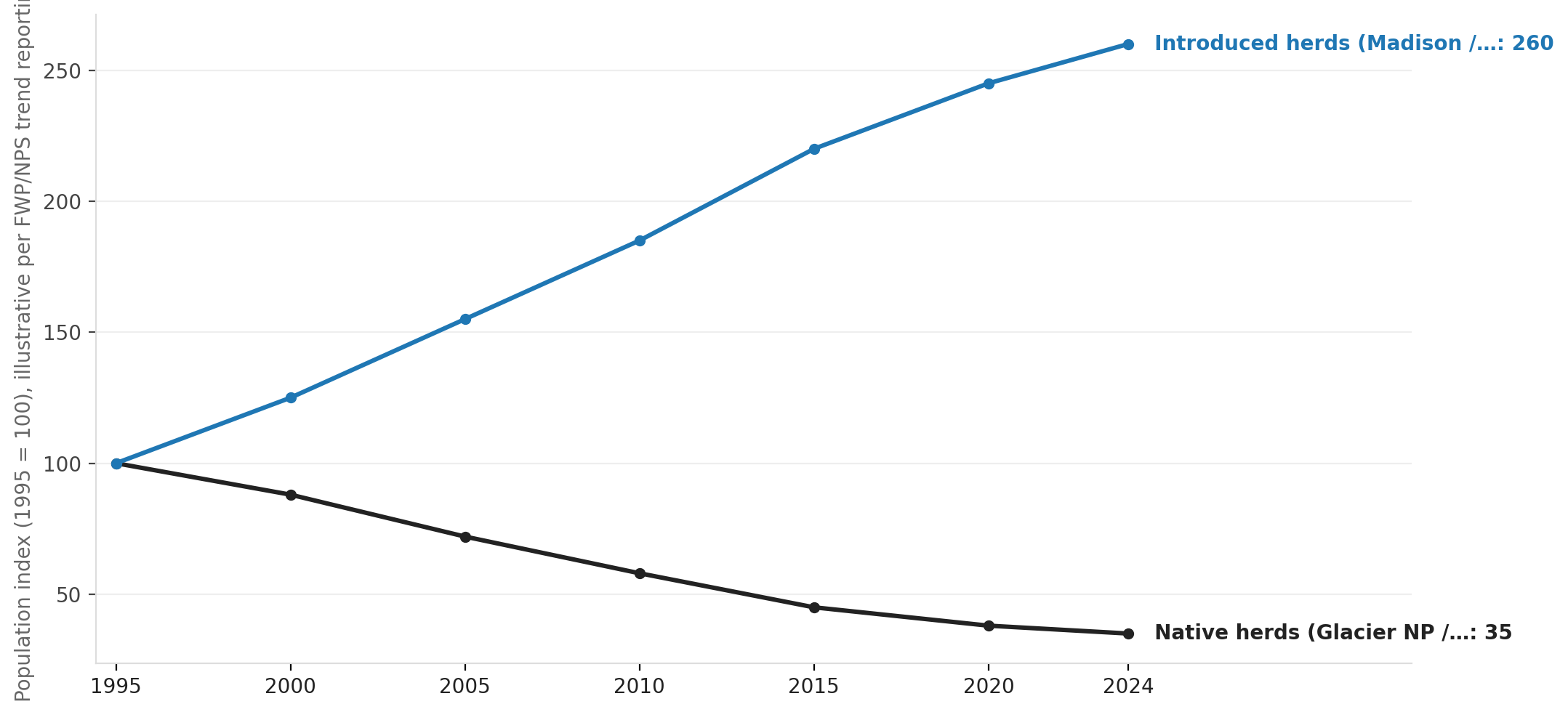
The timing matters. Montana's native mountain goat herds have taken serious hits over the past two decades. Some populations in Glacier National Park and the Absaroka-Beartooth range are down 50 to 70 percent since the 1990s, amid disease, climate stress on alpine habitat, and predator pressure. At the same time, non-native goats introduced to the Madison and Crazy Mountains in the mid-20th century have expanded and now threaten native bighorn sheep by spreading respiratory disease. Montana Fish, Wildlife and Parks has been running capture-and-collar studies to track transmission, and Yellowstone National Park spent several years removing non-native goats starting in 2020.
New federal dollars have accelerated that work. Bipartisan Infrastructure Law and Pittman-Robertson Wildlife Restoration Act funding has been flowing into Western states for on-the-ground wildlife projects, and construction bids like this one often signal where that money is landing. Earlier this year, Montana also moved ahead on related site construction work tied to the same Mt. GOAT designation, suggesting this is part of a broader, ongoing effort rather than a one-off project.
The stakes around mountain goat management in Montana run high. The state issues fewer than 300 goat hunting tags annually, making them among the most coveted in North America. Tribal nations including the Blackfeet and the Confederated Salish and Kootenai Tribes border key habitat areas and have a direct stake in how the state manages alpine wildlife. Ranchers, conservationists and hunters often disagree sharply on the right approach.
The solicitation number suggests a Montana state fiscal year 2027 project, meaning construction would likely begin in the 2027 season. The issuing agency has not responded to requests for clarification on what exactly is being built.