Manatee County, Florida is moving to rebuild oyster reefs in its coastal waters, betting on one of nature's most efficient water-filtering organisms to help reverse years of damage to Tampa Bay and Sarasota Bay.
The effort comes five years after the Piney Point disaster, when 215 million gallons of polluted wastewater from a former phosphate plant in the county poured into Tampa Bay in 2021, triggering a massive algal bloom and killing an estimated one million pounds of marine life. That catastrophe, combined with devastating red tides in 2018 and 2021 that gutted local fishing and tourism, created sustained pressure on county officials to show measurable environmental progress.
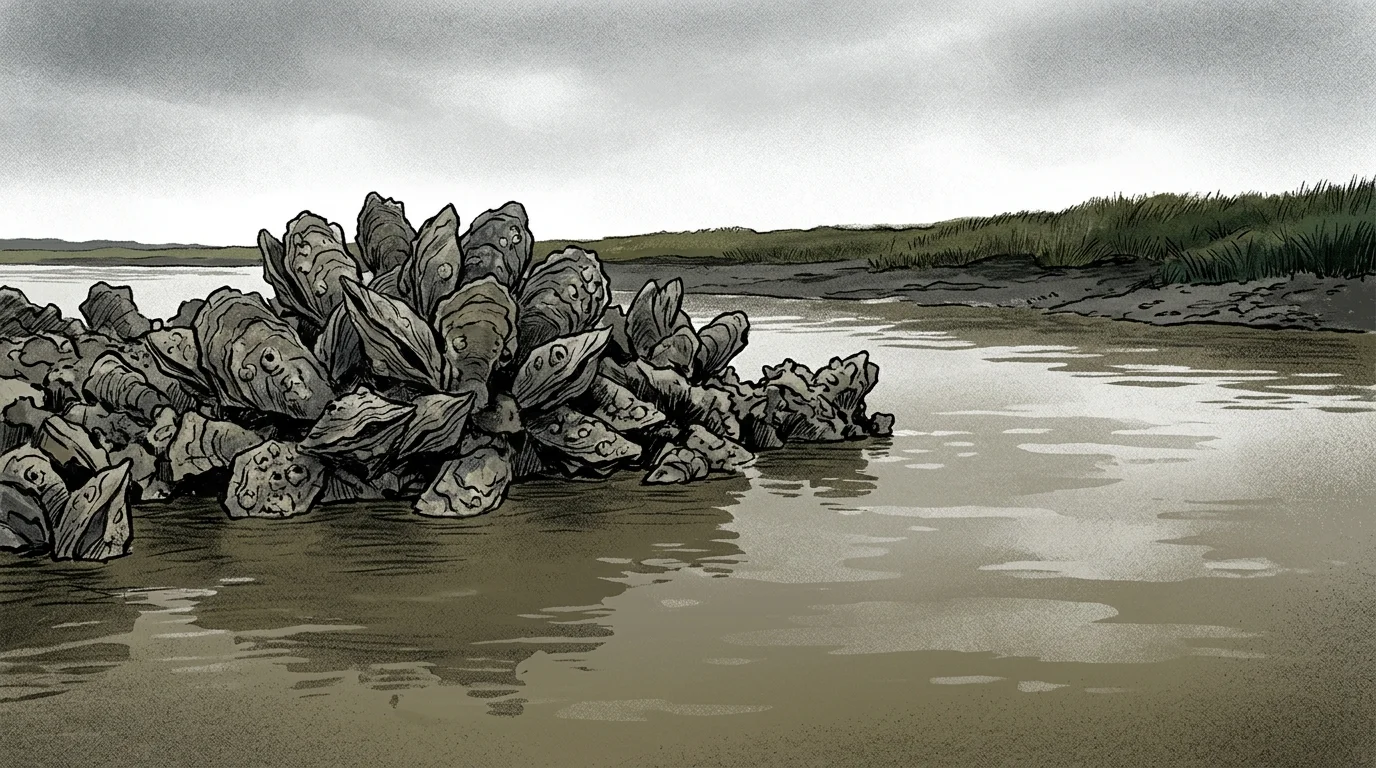
Oysters are central to that recovery strategy for good reason. A single adult oyster filters up to 50 gallons of water per day, removing excess nutrients that feed the algal blooms plaguing the bay. Reefs also stabilize shorelines and buffer against storm surge, benefits that matter increasingly to a county that has grown more than 20 percent since 2010, with new development adding stormwater runoff to already-stressed waterways.
Source: NationGraph.
Manatee County borders both Tampa Bay to the north and Sarasota Bay to the south, along with the Manatee River estuary, giving the project multiple potential sites. The county has posted a solicitation seeking contractors to carry out the reef restoration work. Specific acreage targets, exact locations, and the full project budget have not been disclosed in the posting; funding likely draws from a combination of county, state, and federal sources, including Florida's Resilient Florida Program and NOAA's coastal restoration programs, though the county has not confirmed the breakdown.
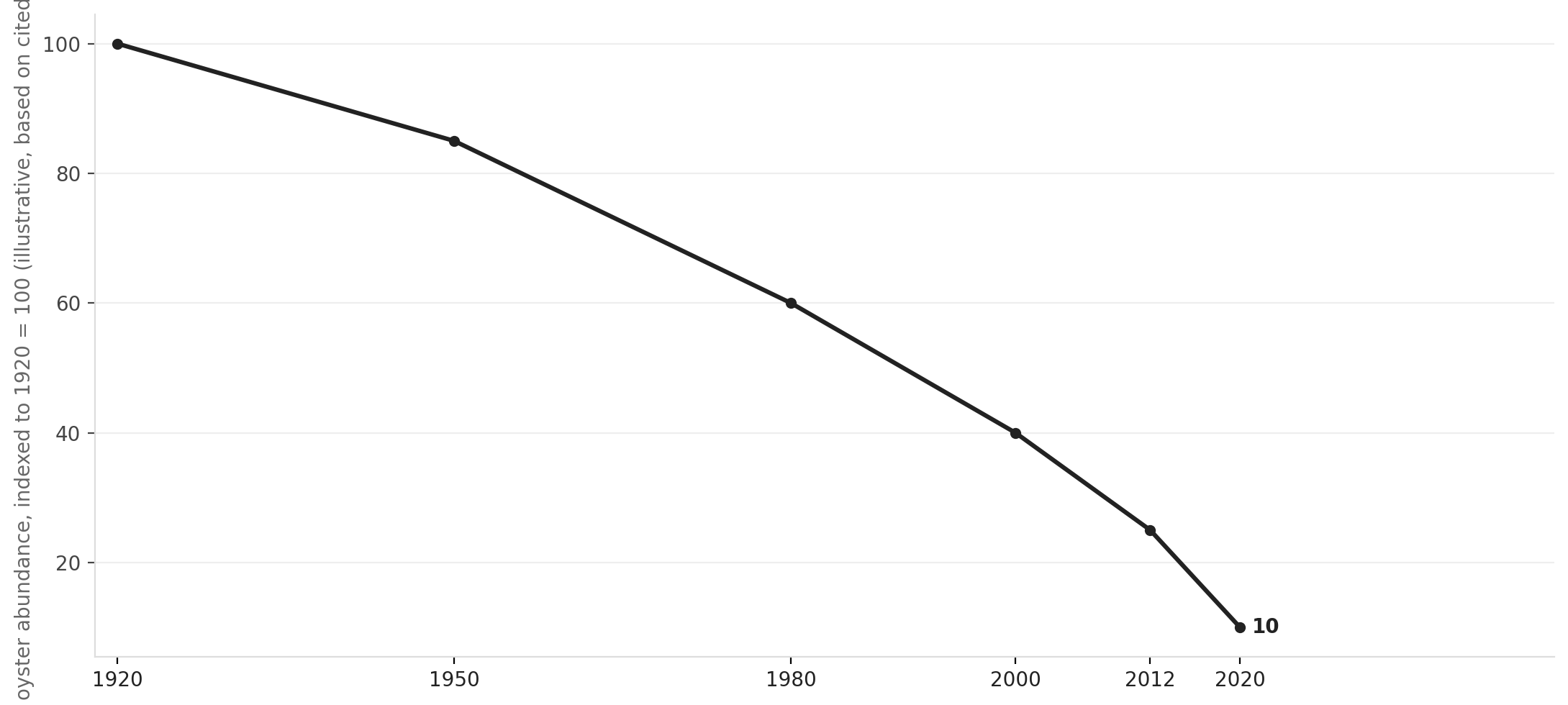
The project fits into a broader wave of oyster and living-shoreline restoration efforts across Florida's Gulf Coast, driven partly by the collapse of the state's wild oyster fishery, which has shrunk by an estimated 85 to 90 percent over the past century. The Apalachicola Bay harvesting ban, extended into 2025 and beyond, has kept that decline in the public eye statewide.
How quickly new reefs establish and how much measurable improvement they deliver to water quality will be among the key questions as the project moves forward.