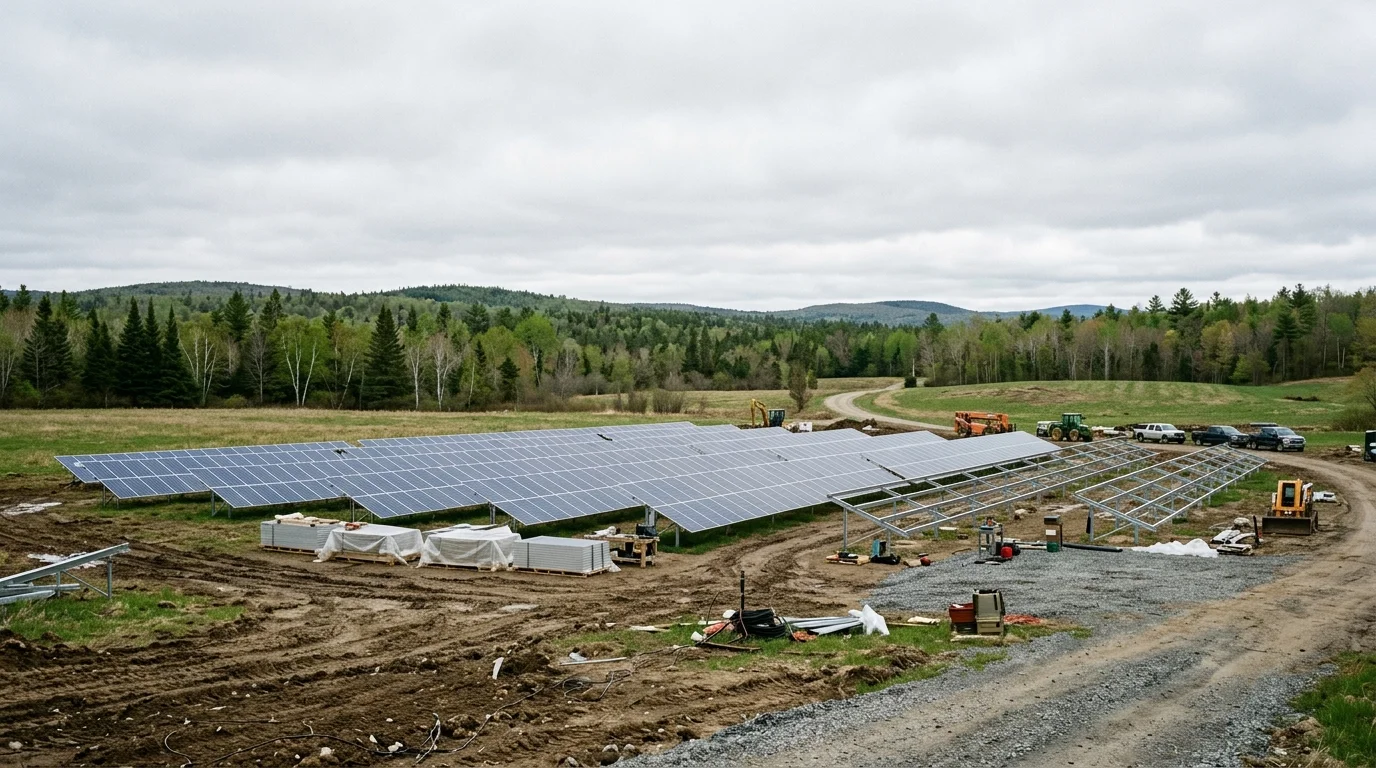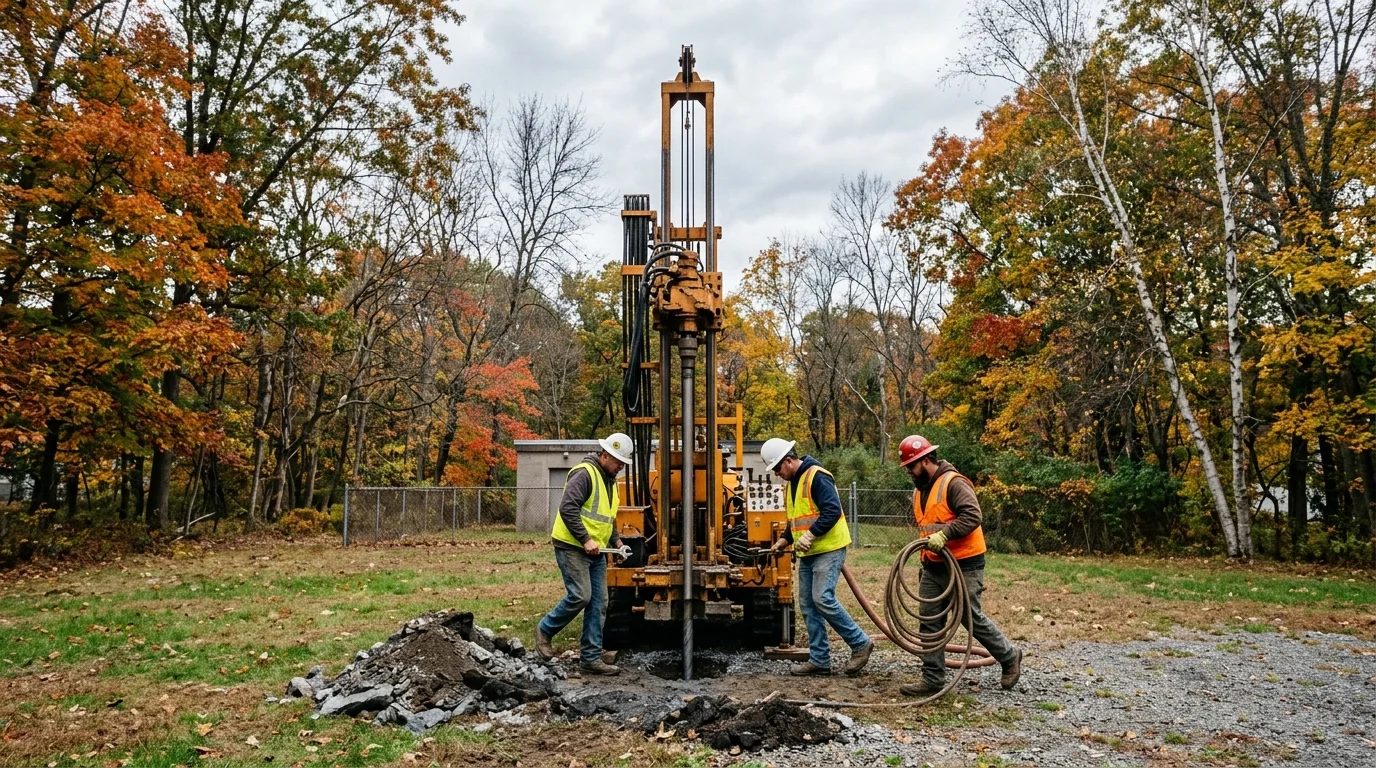
Lewisboro, New York is boring a hole hundreds of feet into Westchester County bedrock to find out whether the earth beneath its municipal buildings can heat and cool them instead of the fuel oil and propane they currently burn.
The small northern Westchester town, home to about 12,400 residents spread across hamlets like South Salem and Cross River, has posted a solicitation for a geothermal test well, a diagnostic bore that will measure how well the local rock conducts heat and whether the geology supports a full ground-source heat pump system. The results will determine whether Lewisboro can convert one or more of its buildings to geothermal and how large that system would need to be.
The timing is no accident. New York's Climate Leadership and Community Protection Act set a 2050 net-zero deadline for the state, and a 2023 law began phasing out fossil fuel hookups in new construction starting this year. Towns like Lewisboro, where natural gas mains never reached many municipal buildings, are left relying on fuel oil and propane, some of the most expensive and carbon-heavy heating options available. That makes the payback math on geothermal unusually favorable.
Federal and state incentives have shifted the financial equation further. The Inflation Reduction Act's elective pay provision, in effect since 2023, lets tax-exempt entities like municipalities collect clean energy tax credits directly as cash, covering 30 to 50 percent of installation costs. NYSERDA's Clean Heat program can stack additional rebates on top of that. A test well drilled now positions the town to apply for that funding once the geology is confirmed.
The Manhattan Prong bedrock underlying Lewisboro is well-suited to geothermal systems, which circulate fluid through sealed underground loops to transfer heat. Neighboring Bedford has been an early mover on municipal geothermal in the region, pursuing similar feasibility work under its own 2030 climate goals.
The test well is a first step, not a commitment. If the subsurface data supports it, Lewisboro would move to design and install a full system, likely targeting town hall, the highway garage, the library or another municipal facility. The specific building and project budget were not detailed in the solicitation.