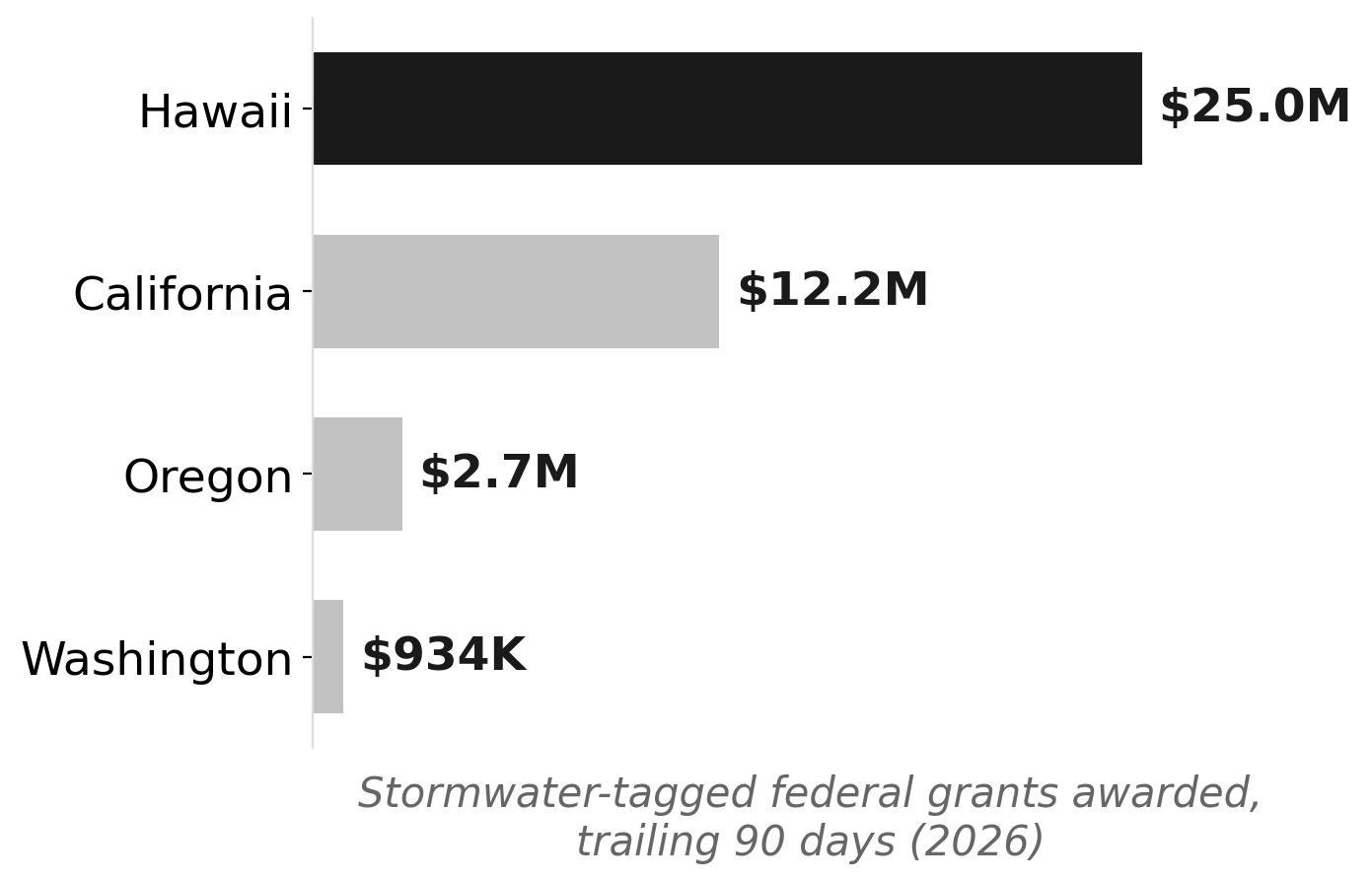
Federal stormwater funding for Hawaii has jumped from $549,960 to $25 million in a single 90-day comparison window, a 4,446% increase driven entirely by one award: a ceiling-level FY2026 BUILD grant to the Hawaii Department of Transportation, announced September 3, 2026. Hawaii received the maximum any single applicant can win from the program. In a trailing-90-day comparison among major coastal states, that $25 million now leads California ($12.25 million across two grants), Oregon ($2.7 million), and Washington ($934,000) combined, a remarkable concentration for a state with fewer than 1.5 million residents.
The number did not arrive in a vacuum. From March 10 to March 24, 2026, two back-to-back Kona Low subtropical cyclones stalled over the Hawaiian Islands and produced more than $1 billion in statewide damage. Maui's summit recorded 49.57 inches of rainfall. Daily records fell at Honolulu, Hilo, Līhuʻe, and Kahului simultaneously. Governor Josh Green issued six successive emergency proclamations and formally requested a presidential disaster declaration, which FEMA honored as DR-4909-HI. The storms did not create Hawaii's drainage problem. They made it impossible to ignore.
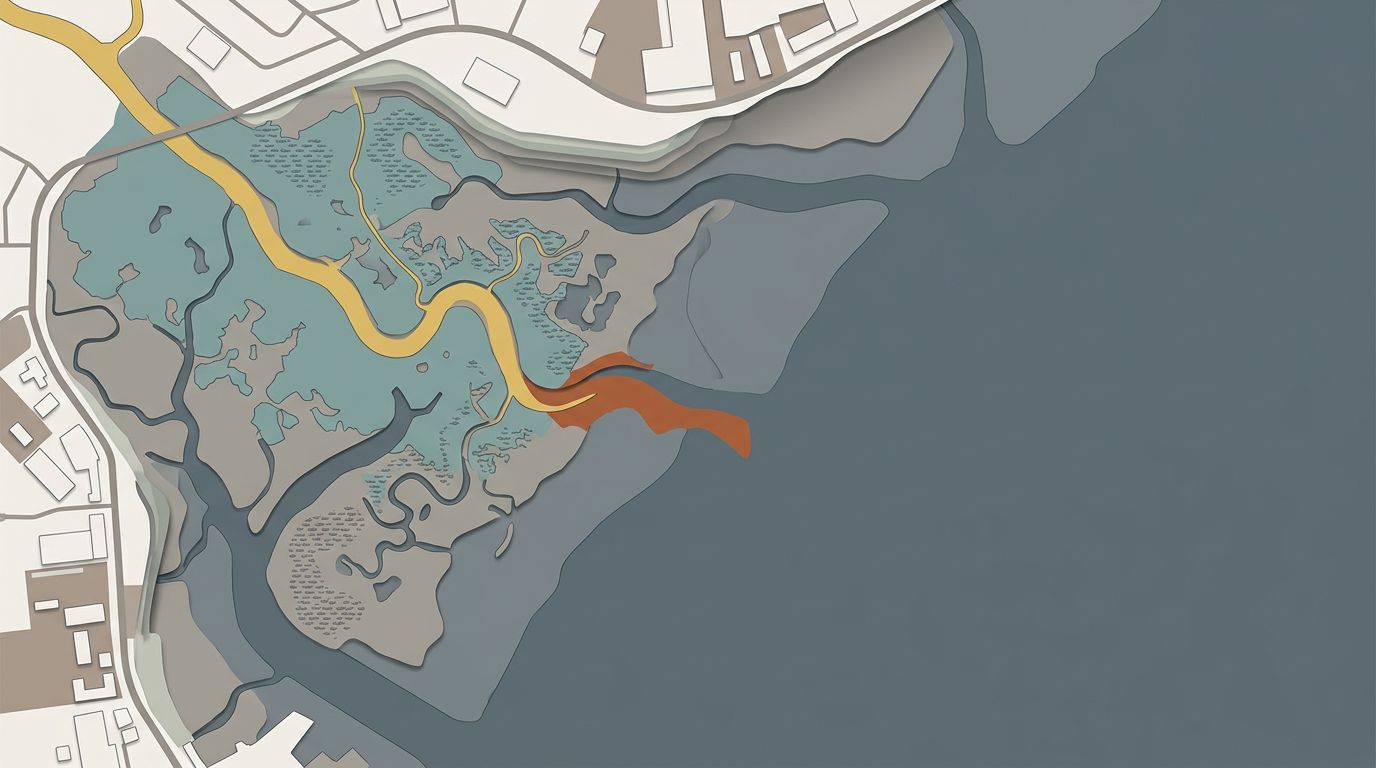
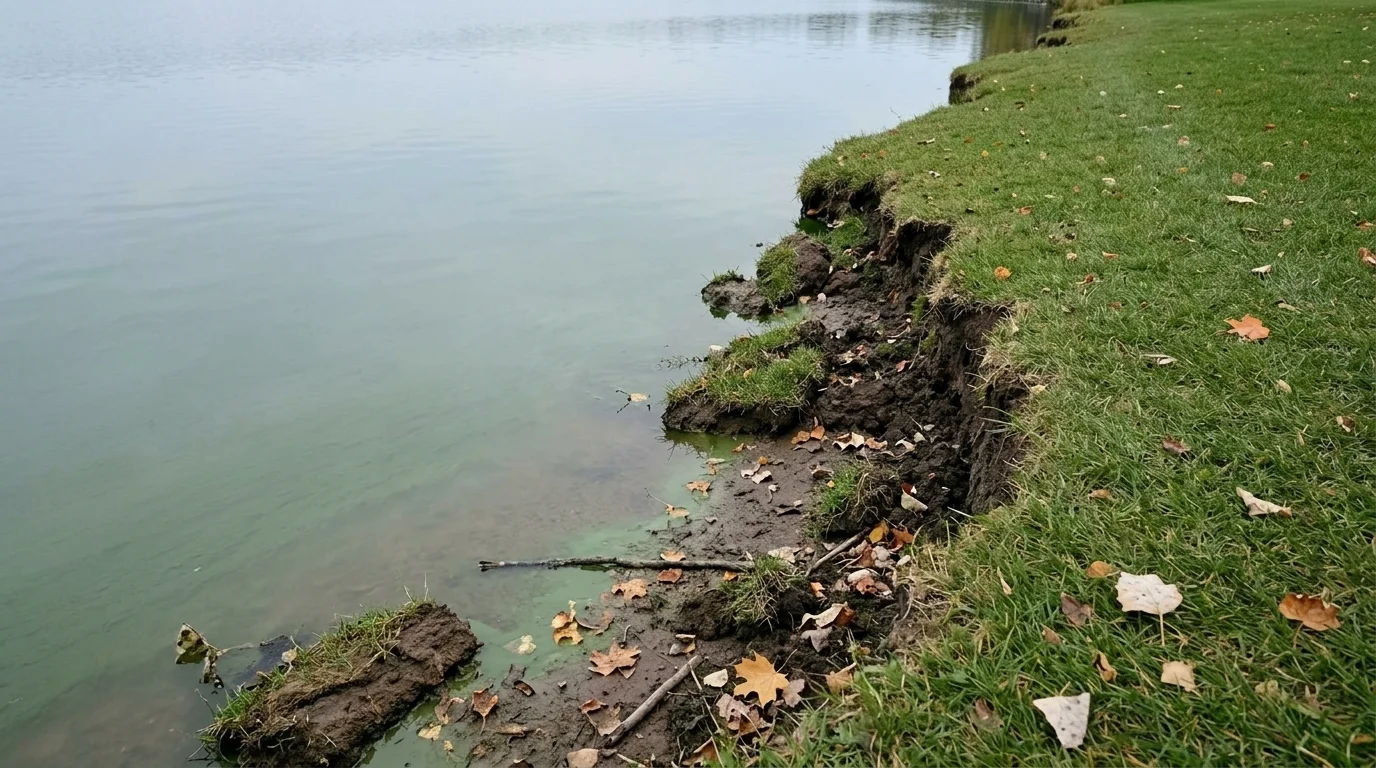
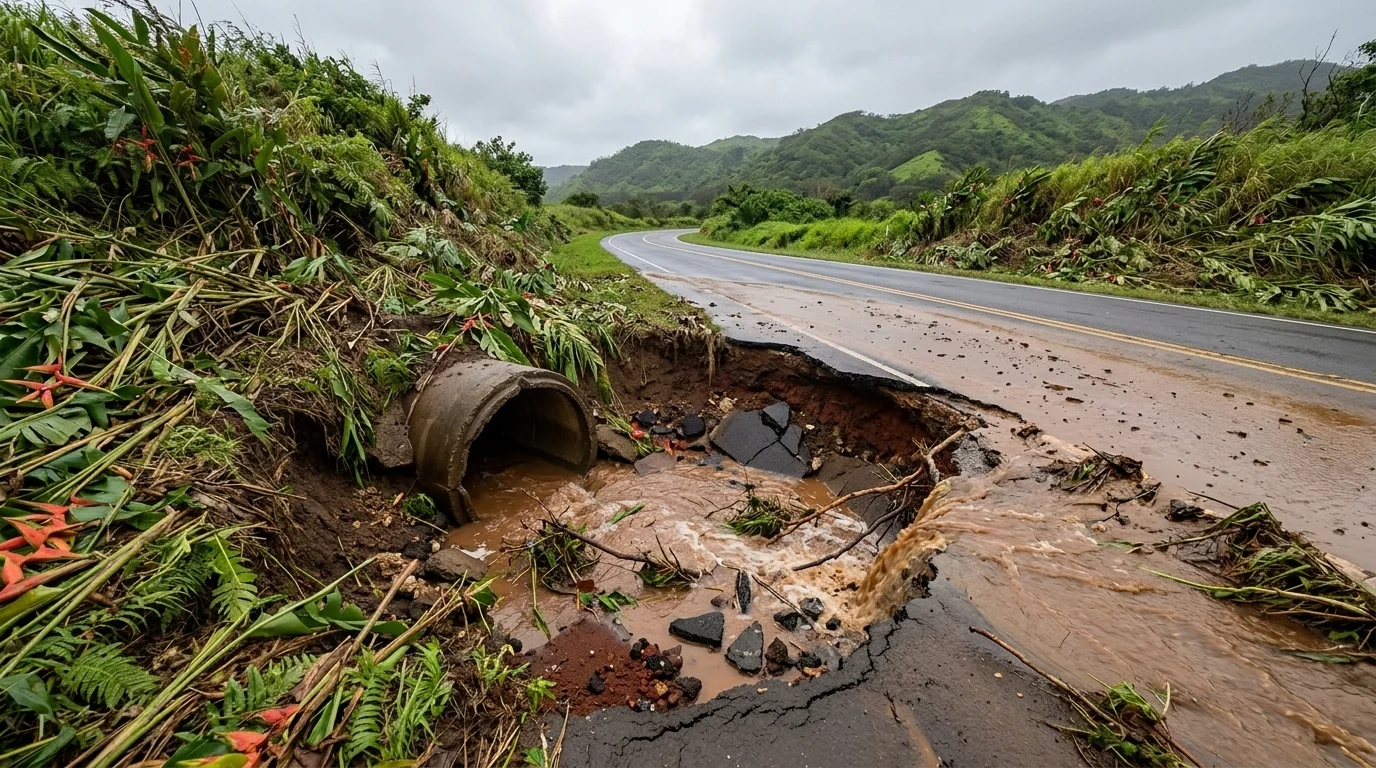
Kona Lows are the precise scenario Hawaii's stormwater infrastructure was never sized to handle. The state's municipal storm sewer systems were built for historical rainfall norms, not for subtropical cyclones that stall and dump rainfall in bursts the existing culverts physically cannot pass. Because the islands are volcanic and compact, stormwater moves fast: from the uplands to streams to nearshore waters in hours, with no inland buffer to slow it down. The ASCE Hawaii Infrastructure Report Card documents the downstream result, 88 of 108 Hawaiian marine water bodies currently fail EPA water quality standards, in large part because stormwater drains directly and untreated into coral reef ecosystems and nearshore fisheries. March 2026 made that abstract statistic visible in every flooded road and collapsed culvert that showed up on the news.
Source: NationGraph.
The BUILD program, funded by the Infrastructure Investment and Jobs Act, explicitly lists stormwater and culvert upgrades that improve resilience and aquatic habitat as eligible activities. HDOT's application landed in a pool of roughly 1,200 eligible submissions requesting more than $14.5 billion against a $1.73 billion national award pool, meaning the competition was roughly eight-to-one. Winning the individual award ceiling in that field signals that HDOT's project documentation was strong before the storms hit. A November 2025 HDOT initiative to study long-range coastal resilience along the windward coast suggests the agency had been building a resilience portfolio for months. The March floods converted that pre-existing work into an urgent and concrete case.
The BUILD grant covers stormwater and culvert upgrades and runs through December 2031. It is not the only federal dollar flowing toward the damage. Three weeks after the BUILD announcement, FHWA separately released $5 million in emergency highway repair funds for specific sites including the H-3 Kionaole culvert and Hana Highway near Mile Marker 10, structures that failed in the same storm sequence. Those are two distinct federal programs doing different things: the FHWA emergency funds address immediate road-and-bridge repairs at named locations; the BUILD grant funds the broader resilience upgrade that is meant to prevent the next culvert failure. Both are running simultaneously, which reflects the scale of what March 2026 left behind.
For residents and drivers across Oahu and Maui, the practical consequence of the BUILD grant is a five-year construction program targeting the drainage infrastructure most likely to fail in the next major storm. That means culvert replacements, stormwater system upgrades, and, where the grant's aquatic habitat language applies, improvements that also reduce the sediment and pollutant loads currently reaching coral reefs after heavy rain. The state's only prior stormwater-tagged federal commitment of comparable scale was a $15.9 million Highway Planning and Construction grant awarded in August 2023, which remains active through April 2027. The two programs will overlap for roughly 18 months, giving HDOT an unusual window of parallel federal investment in the same infrastructure class.
The open question is whether the funding arrives faster than the next Kona Low. The March 2026 storms were extraordinary in their back-to-back timing, but Kona Lows are not rare: they strike Hawaii most winters, and climate projections suggest the most intense events will carry heavier rainfall loads as sea surface temperatures rise. A BUILD grant that runs to December 2031 buys time. Whether HDOT can move projects from design through permitting and into the ground before the next billion-dollar storm is the signal worth watching.