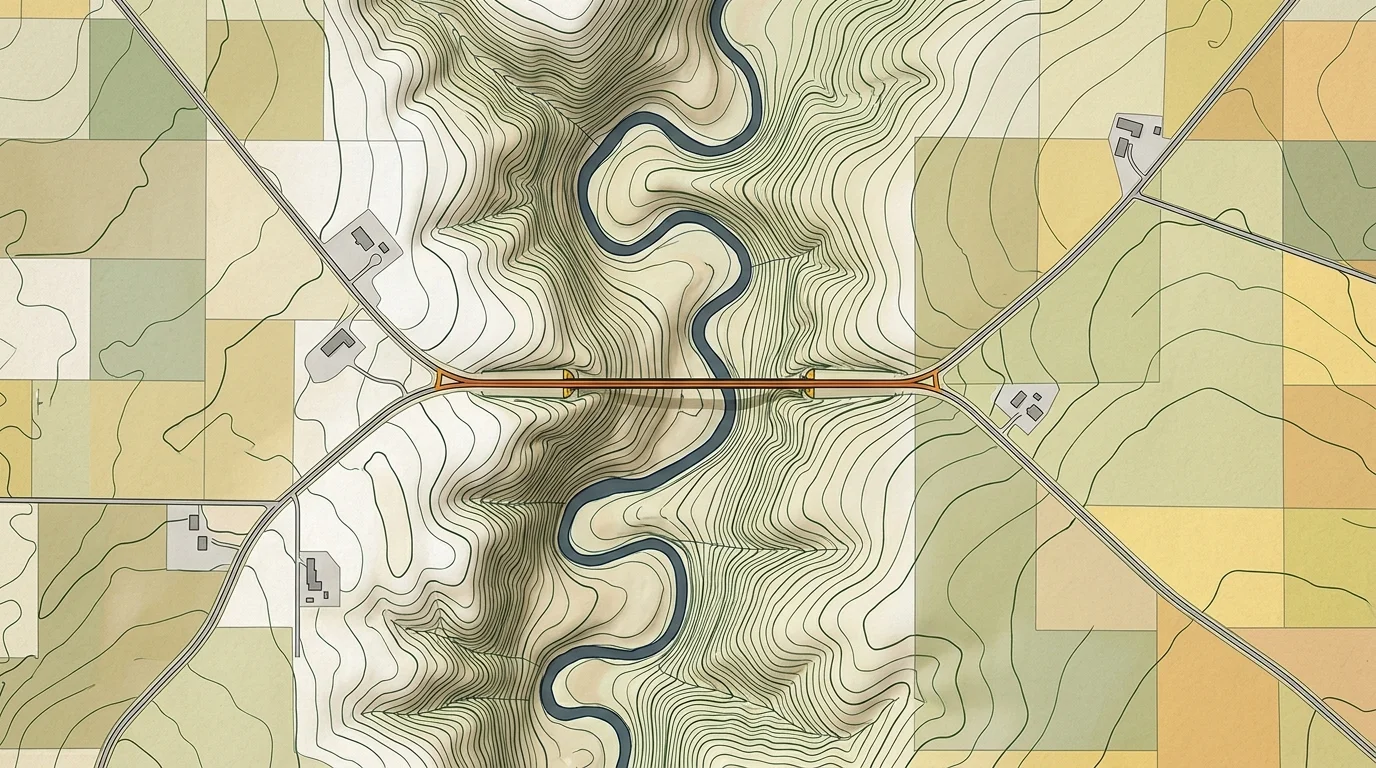
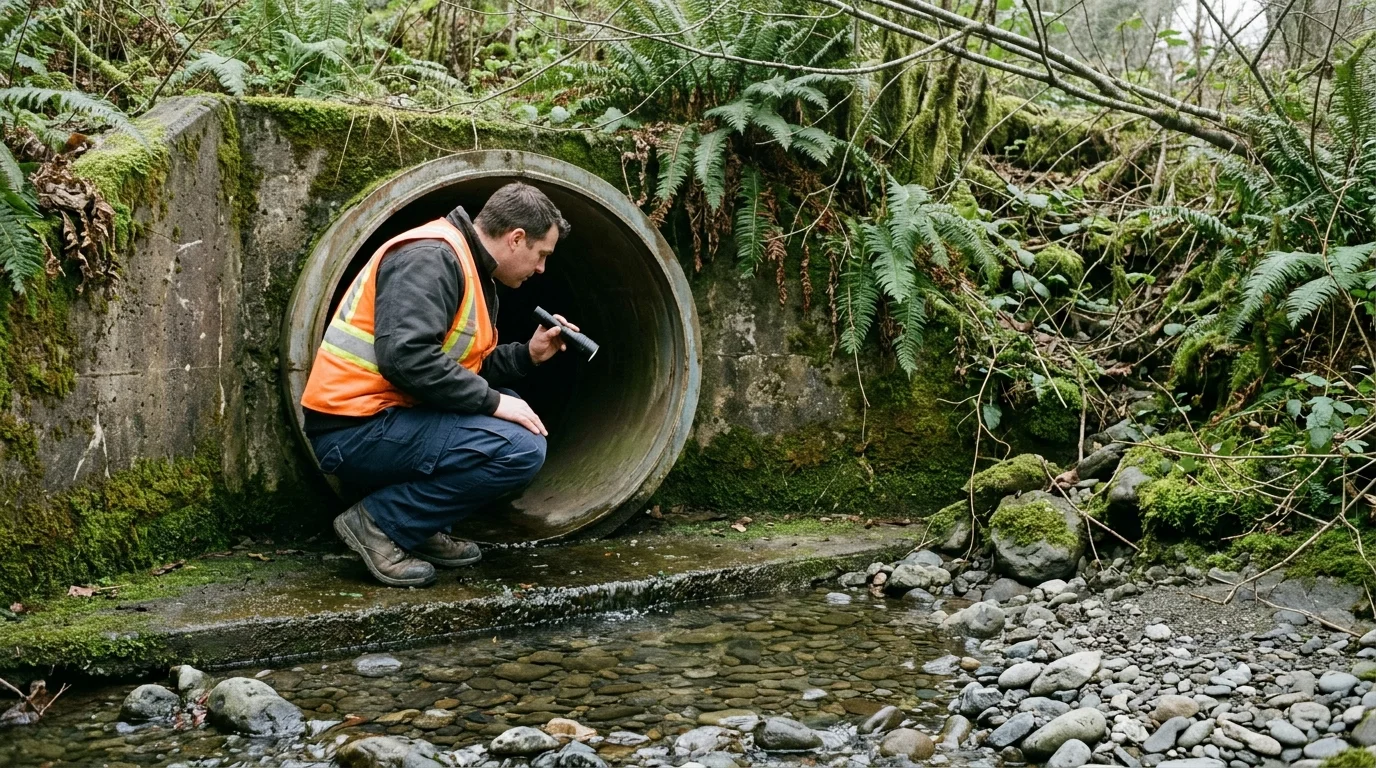
Fort Collins, Colo., is moving to restore a degraded stretch of Fossil Creek in the city's rapidly growing south side, hiring a construction partner to help reshape the channel, stabilize eroding banks, reconnect the floodplain, and bring back riparian vegetation between Trilby Road and Lemay Avenue.
The project reflects how Front Range cities have rethought urban waterways since the catastrophic September 2013 floods, which killed 10 people and caused nearly $4 billion in damage across Colorado. Before that, streams like Fossil Creek were routinely straightened and hardened to move water away fast. Now Fort Collins and other cities are doing the opposite: slowing water down, spreading it across floodplains, and rebuilding the natural systems that filter pollutants and support wildlife.
The pressure to act comes from multiple directions. South Fort Collins has added dense residential development over the past two decades, paving over land that once absorbed rain and sending more runoff into Fossil Creek. Federal Clean Water Act requirements push cities to reduce the pollutant loads that stormwater carries into local streams. And Colorado's climate is delivering more intense drought-flood swings, making resilient infrastructure a harder-to-defer investment.
Fort Collins has been an active player in this kind of work, with prior restoration projects on the Cache la Poudre River, Spring Creek and other reaches of Fossil Creek. The city's Stormwater Utility, funded through ratepayer fees, has a national reputation for this approach.
For this stretch, the city is using a construction manager/general contractor model, which brings a builder into the project during the design phase rather than after plans are finalized. That matters for stream work, where construction windows are narrow: crews typically have to stop during fish spawning seasons and work around stormwater risks, so having a contractor help plan the schedule early reduces costly surprises. The solicitation is posted on the Rocky Mountain E-Purchasing system.
The record does not specify a project budget or construction timeline. Once a contractor is selected and design work advances, those details will become clearer.