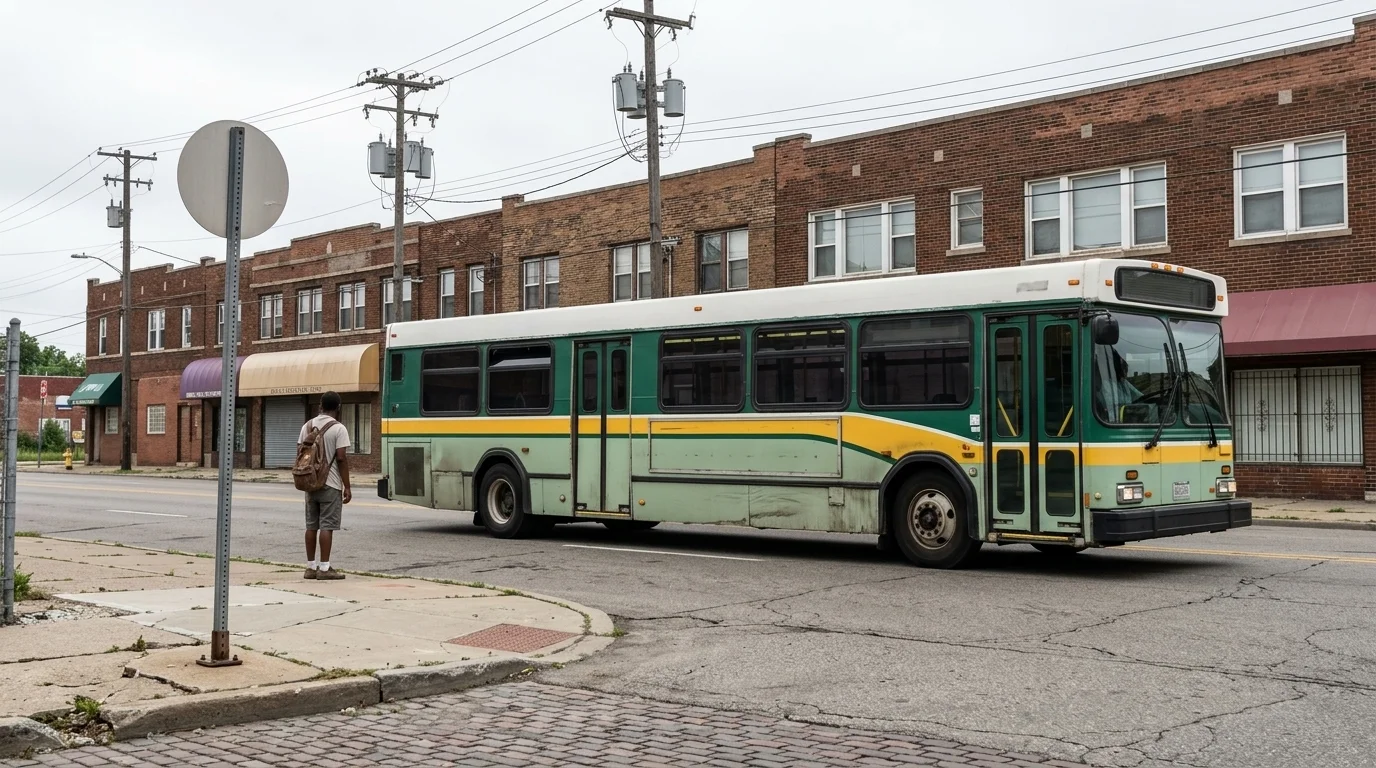
Michigan received $109.5 million in federal transit grants over the last 90 days, more than double the $52.4 million it recorded in the same window a year ago, and nearly all of it is headed to two bus garages in Detroit and Ann Arbor.
The surge comes down to two awards executed in the final days of July 2026: an $81.6 million FTA grant to the Detroit Department of Transportation for up to 86 diesel-electric hybrid replacement buses, and a $25 million FTA grant to the Ann Arbor Area Transportation Authority for up to 27 hybrid buses. Together they account for 98 percent of the year-over-year increase. In the prior 90-day window, the largest single federal transit award to Michigan was a $6.2 million formula payment to Detroit, routine funding, not a competitive win.
The scale becomes sharper when set against Michigan's Midwest neighbors. In the same trailing 90-day window, Illinois received $15.4 million in federal transit grants, Minnesota $14.9 million, Wisconsin $8.7 million, and Ohio $4.8 million. Michigan's haul exceeds all four combined, driven entirely by these two urban bus awards.
The driver is the Infrastructure Investment and Jobs Act, which authorized the FTA's Low or No Emission and Buses and Bus Facilities competitive programs and seeded them with multi-year appropriations. The FTA announced approximately $2 billion in project selections on November 20, 2025, the largest single announcement in the program's history, covering 165 projects across 45 states. A second $390 million round followed in February 2026. The Michigan awards, formally obligated in late July 2026, are the grant agreements turning those selections into spendable dollars.
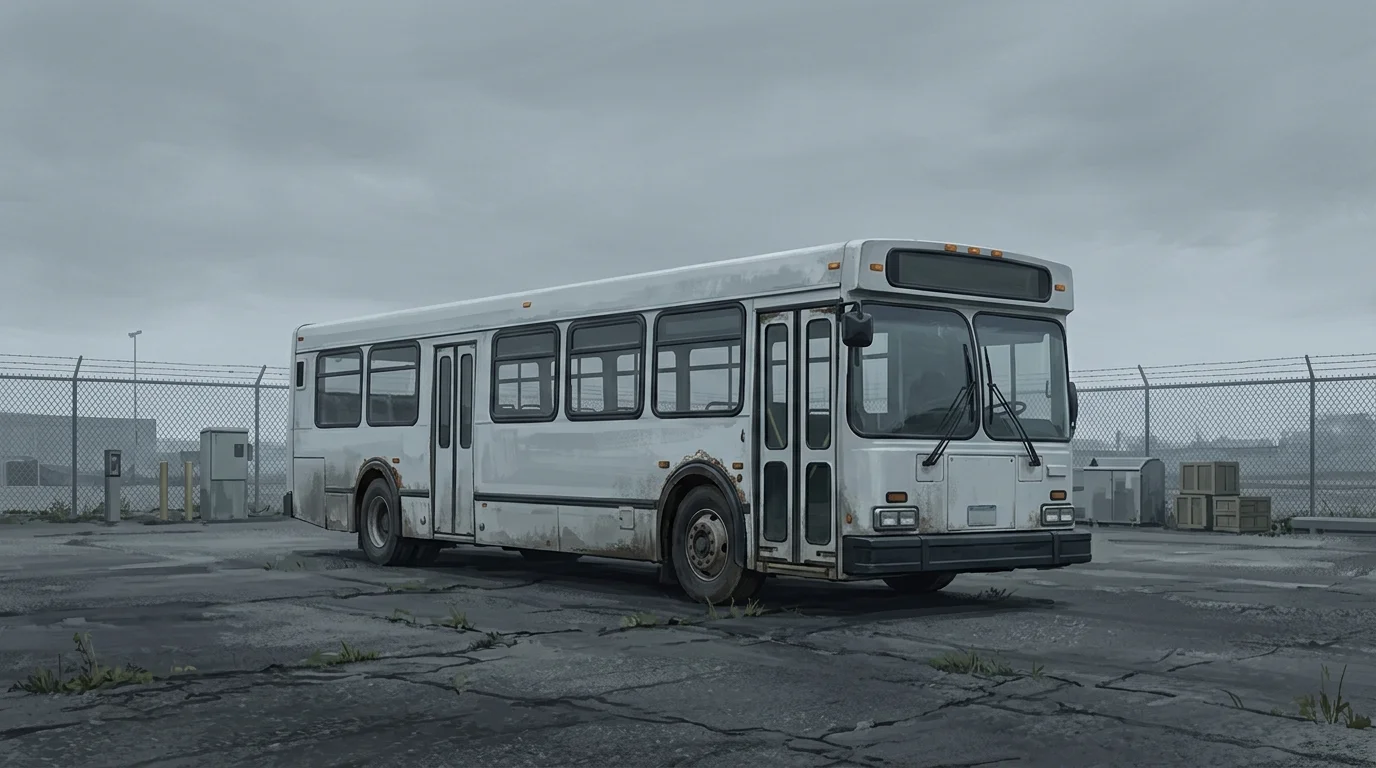
What made Michigan's applications credible enough to win that competition is a story rooted in deferred maintenance. During the pandemic, DDOT simultaneously lost drivers, mechanics, and purchasing momentum, at its worst, roughly a third of its 292-bus fleet was out of service at the same time. The 2014-era diesel coaches that form the backbone of the fleet have now reached the federally defined 12-year end of useful life, creating an urgent, well-documented replacement need that FTA reviewers could score against objective criteria. The Michigan Chronicle reported a $50.8 million DDOT award in November 2025, an earlier tranche of what has since been fully obligated at $81.6 million across two fiscal years of FTA funding.
The new buses are diesel-electric hybrids, not battery-electric vehicles. That specification reflects a broader shift in how the current FTA program is awarding grants. As Transit for America noted in December 2025, the most recent Low-No round skewed heavily toward hybrid rather than zero-emission vehicles, a departure from the program's original clean-energy framing. DDOT had previously deployed a small number of battery-electric coaches and received earlier FTA grants with greener specifications, but the July 2026 awards are sized for practical fleet replacement at scale, and hybrids are the technology both agencies selected.
DDOT currently carries seven active FTA grants totaling $161.7 million in obligated funds running through 2032. AAATA holds two active grants totaling $62.5 million through 2030. The new awards land on top of that existing portfolio, bringing Michigan's total active federal transit footprint to well over $500 million. DDOT serves roughly 150,000 daily riders across Detroit; AAATA connects Ann Arbor, Ypsilanti, and surrounding communities.
For Detroit residents, the most direct consequence is a newer, more reliable bus fleet over the next three to four years. DDOT's performance period for the new coaches runs through March 2031, meaning procurement, delivery, and commissioning of all 86 buses must be completed within roughly five years. For Ann Arbor, AAATA's 27 buses must be in service by September 2030. Riders who depend on both systems for daily commutes will notice the change gradually as aging coaches are retired.
The broader question the awards raise is whether this deferred-maintenance model, agencies allowing fleets to age past useful life, documenting the crisis, then winning large competitive grants, is becoming a standard playbook for American urban transit. Michigan's two agencies happened to reach this inflection point simultaneously, and the IIJA pipeline happened to be fully funded when they applied. Whether that convergence recurs depends partly on what happens next in Washington.
The answer may come quickly. A new FTA notice of funding opportunity for $610 million in FY2026 Bus Competitive Program grants opened July 27, 2026, with applications due September 21, 2026. Both DDOT and AAATA are eligible to apply. Whether Michigan attempts to run the same play a second time in the same calendar year is a decision each agency's board will face within weeks.