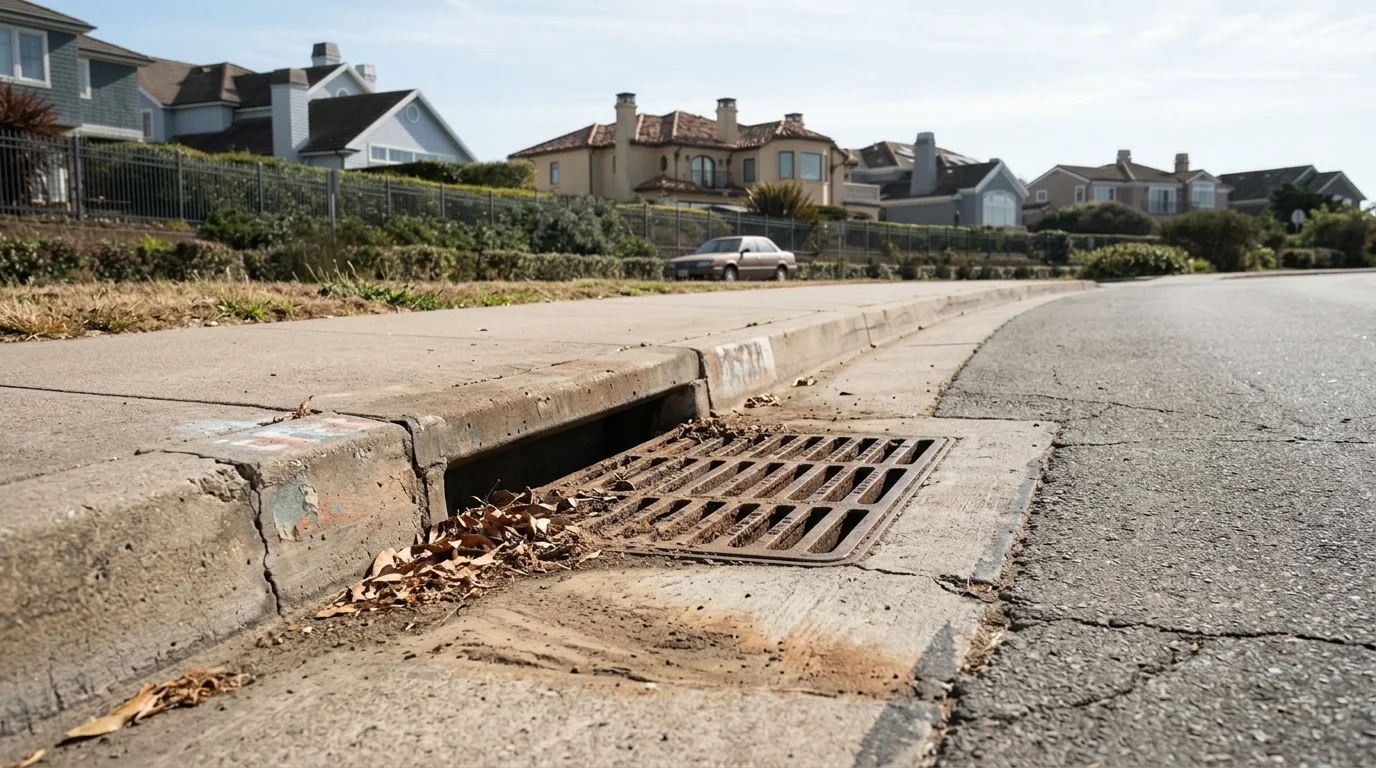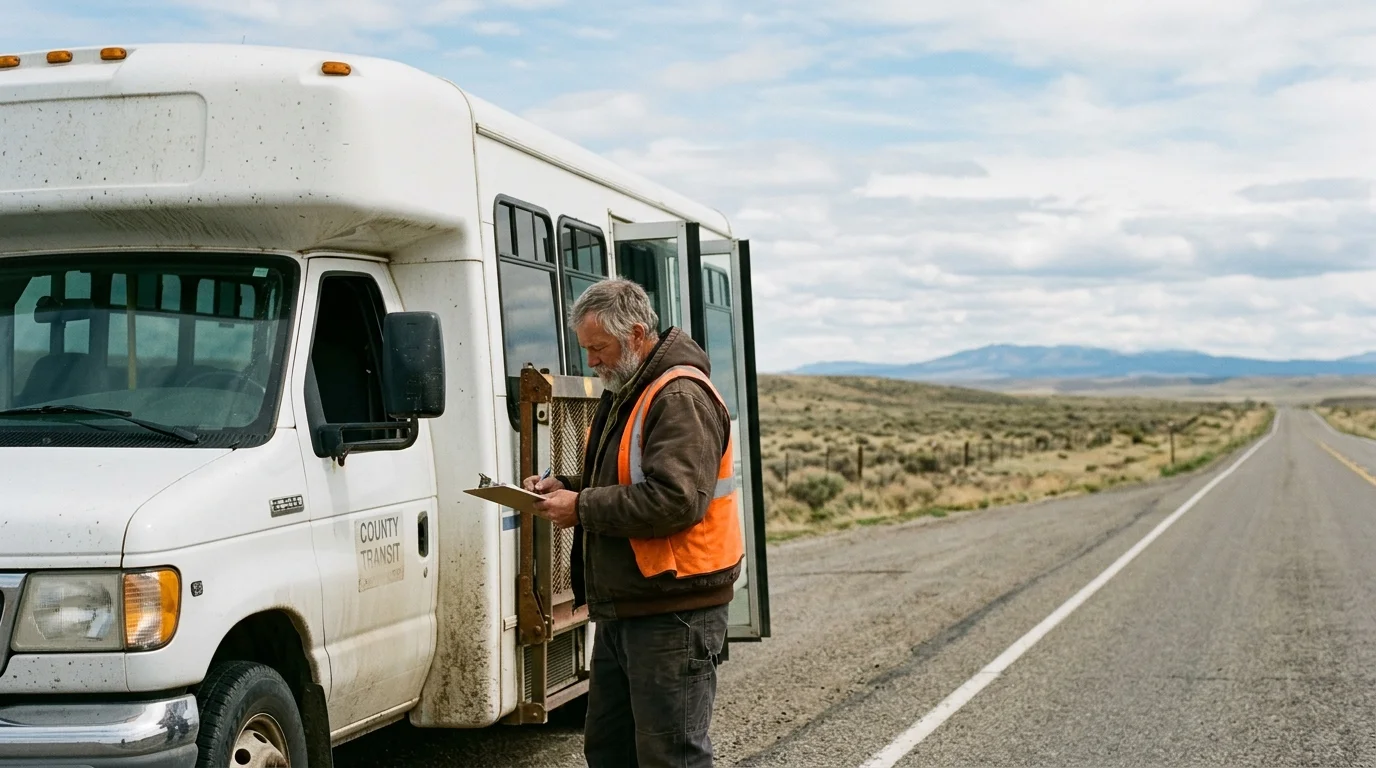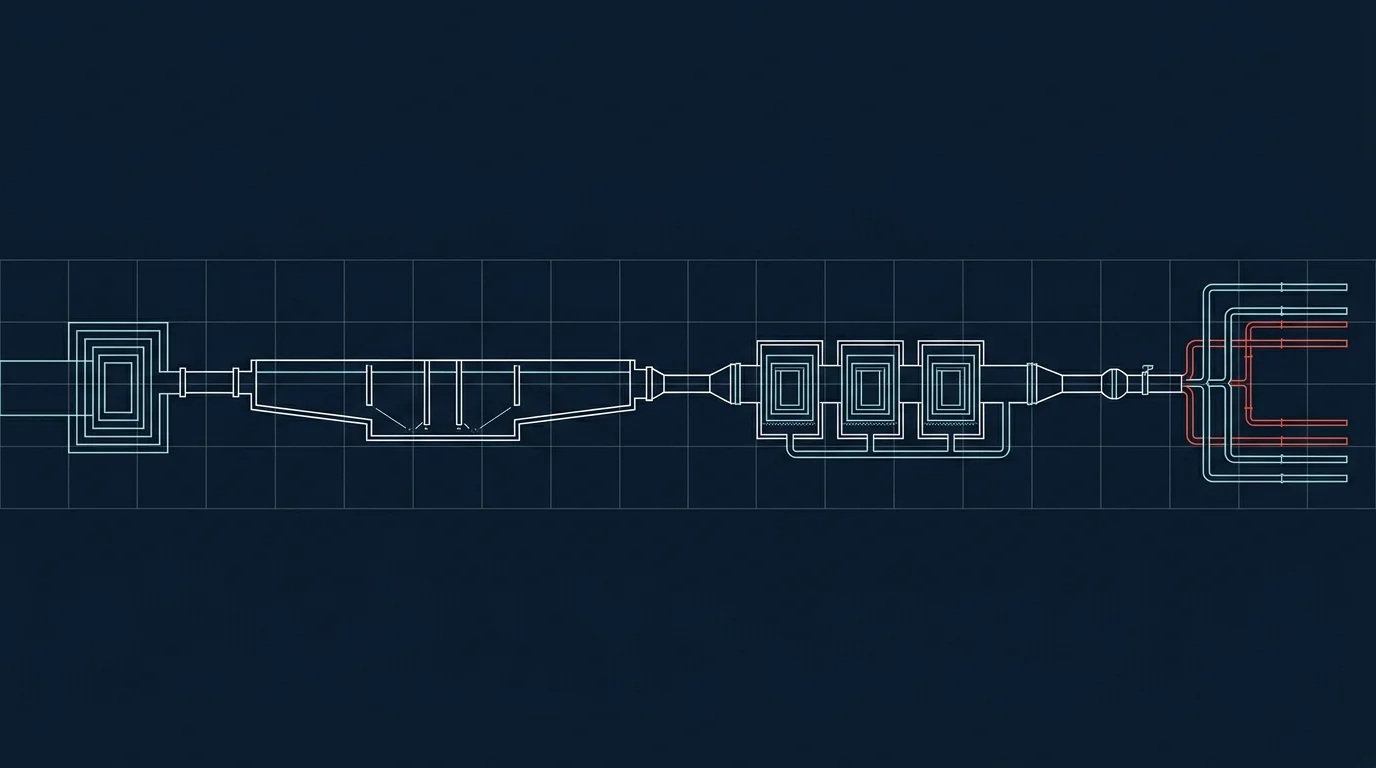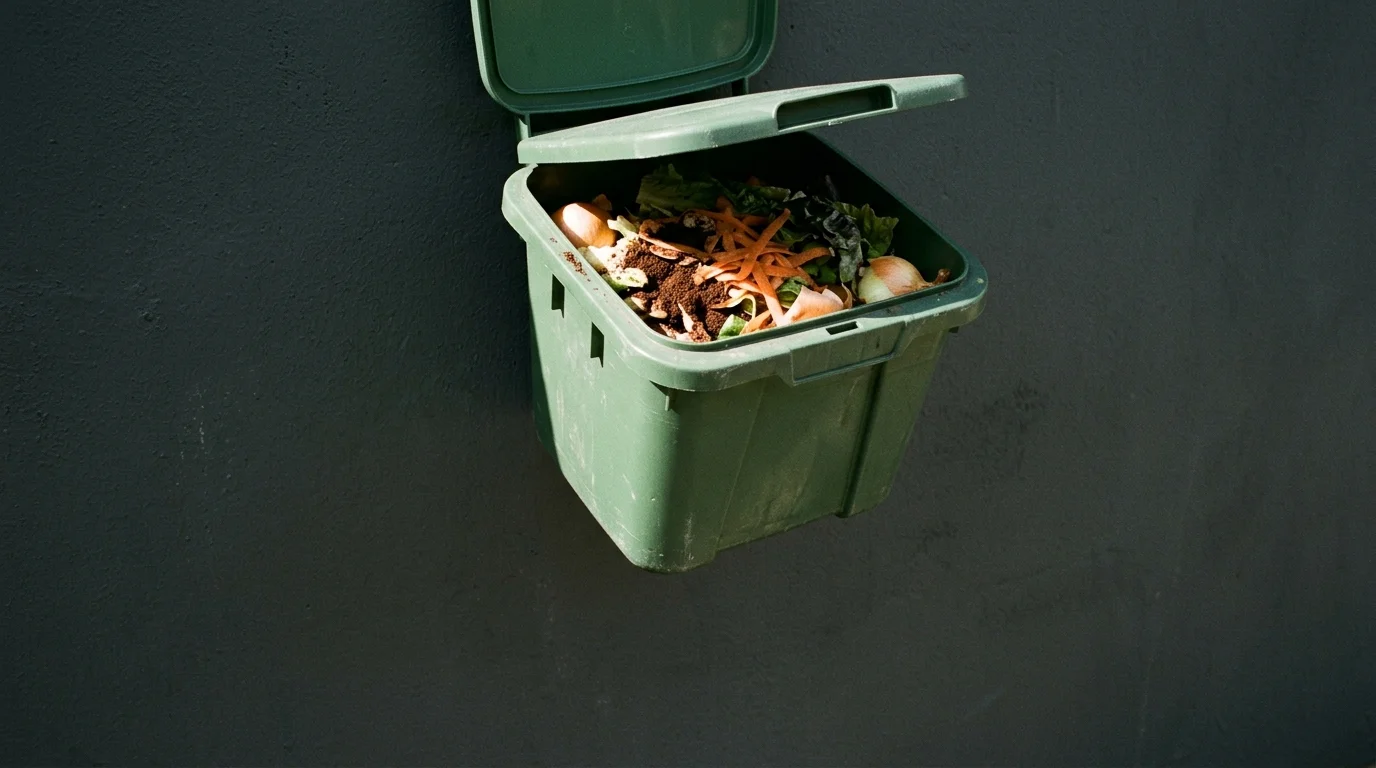
Delaware is launching a pilot program to collect food scraps from residents' curbsides and route them to composting, a quiet but significant test of whether the state can keep organic waste out of its rapidly filling landfill.
The program is curbside collection, meaning residents would set out food waste for pickup rather than hauling it to a drop-off site. That's the more expensive and logistically complex model, but also the one that tends to generate the highest participation. The goal is composting, not landfill disposal.
The stakes are real. Cherry Island Landfill in New Castle County handles the bulk of northern Delaware's trash and has faced recurring warnings about shrinking capacity. Food scraps are a major part of the problem: nationally, the EPA estimates food is the single largest category of material sent to municipal landfills, making up roughly 24% of what gets buried. In landfills, that organic material decomposes into methane, a greenhouse gas about 80 times more potent than carbon dioxide over a 20-year period.
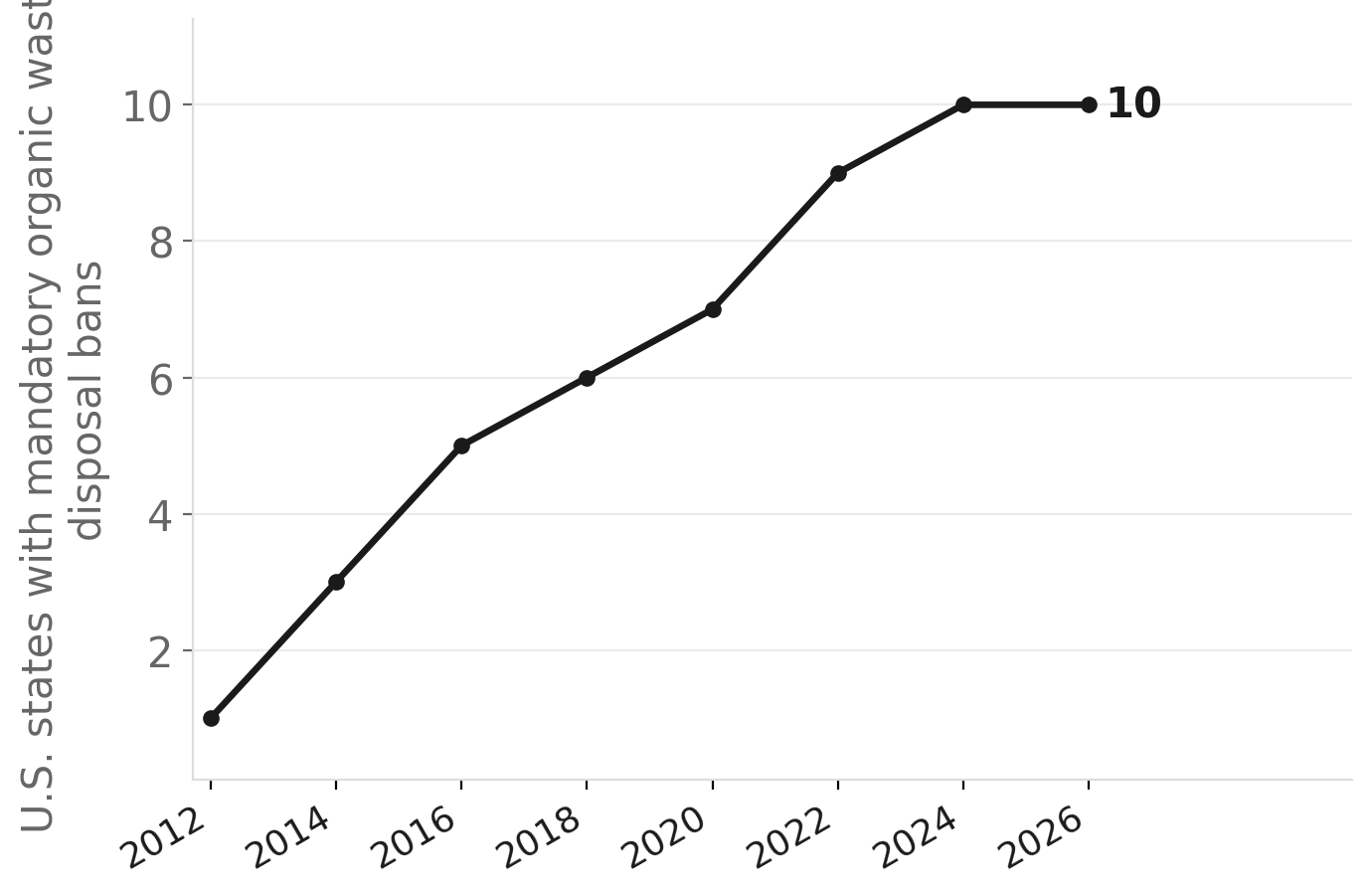
Source: NationGraph.
Delaware has been a late mover on organics diversion. The state's 2010 Universal Recycling Law banned yard waste from landfills, but food scraps still go in the trash. States like Vermont, California, New York and Maryland have moved further, with California now requiring every jurisdiction to offer curbside organics collection under a sweeping 2022 law. Delaware has no such mandate yet.
Governor Matt Meyer, who took office in January 2025 on a climate and sustainability platform, has aligned the state with expanded diversion efforts. A curbside pilot now positions Delaware to gather the cost and participation data it would need before any broader policy move.
The agency running the pilot was not identified in the public record. The bid is posted on Delaware's central procurement portal. Whether the pilot expands, and how quickly, will likely depend on how many residents actually separate their scraps once the bins show up at the curb.