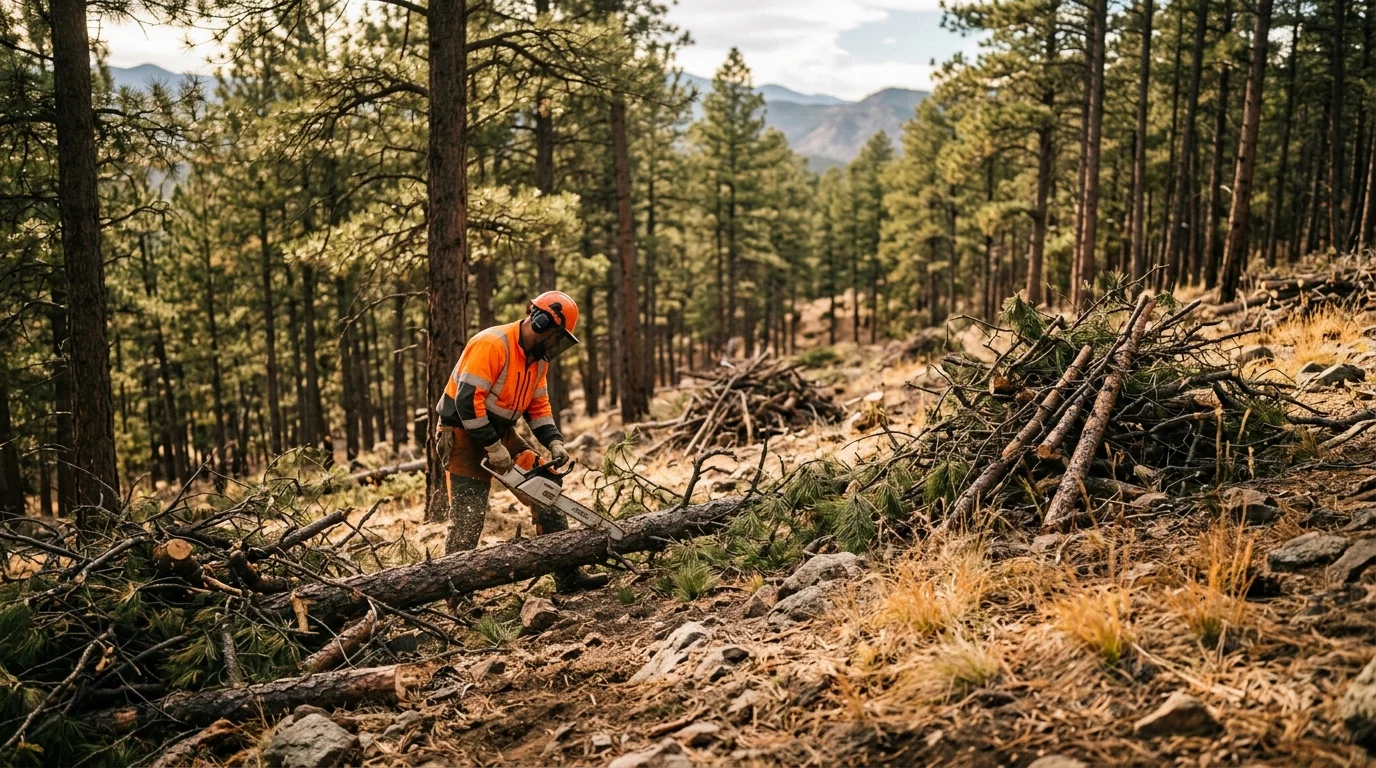
Boulder, Colorado is moving ahead with a second round of forest thinning in the Tram Hills area, part of the city's methodical effort to clear out a century of accumulated fire fuel from the foothills pressing up against its western neighborhoods.
The work involves mechanical thinning, removal of ladder fuels that allow flames to climb from the ground into tree canopies, and pile burning. The goal is to reduce the risk that a wildfire igniting in the dense ponderosa pine and Douglas fir forest near homes would turn into the kind of fast-moving, neighborhood-consuming disaster Boulder County has now experienced twice in recent memory.
The Fourmile Canyon Fire in September 2010 destroyed 169 homes. Then, on December 30, 2021, the Marshall Fire tore through Louisville, Superior, and unincorporated Boulder County in grasslands, in winter, destroying 1,084 homes and becoming the most destructive wildfire in Colorado history. Marshall shattered assumptions about where and when wildfire strikes. It also galvanized the city: Boulder voters approved a Climate Tax in 2022, and the city's Wildland Fire Division expanded its mitigation program substantially in the years since.
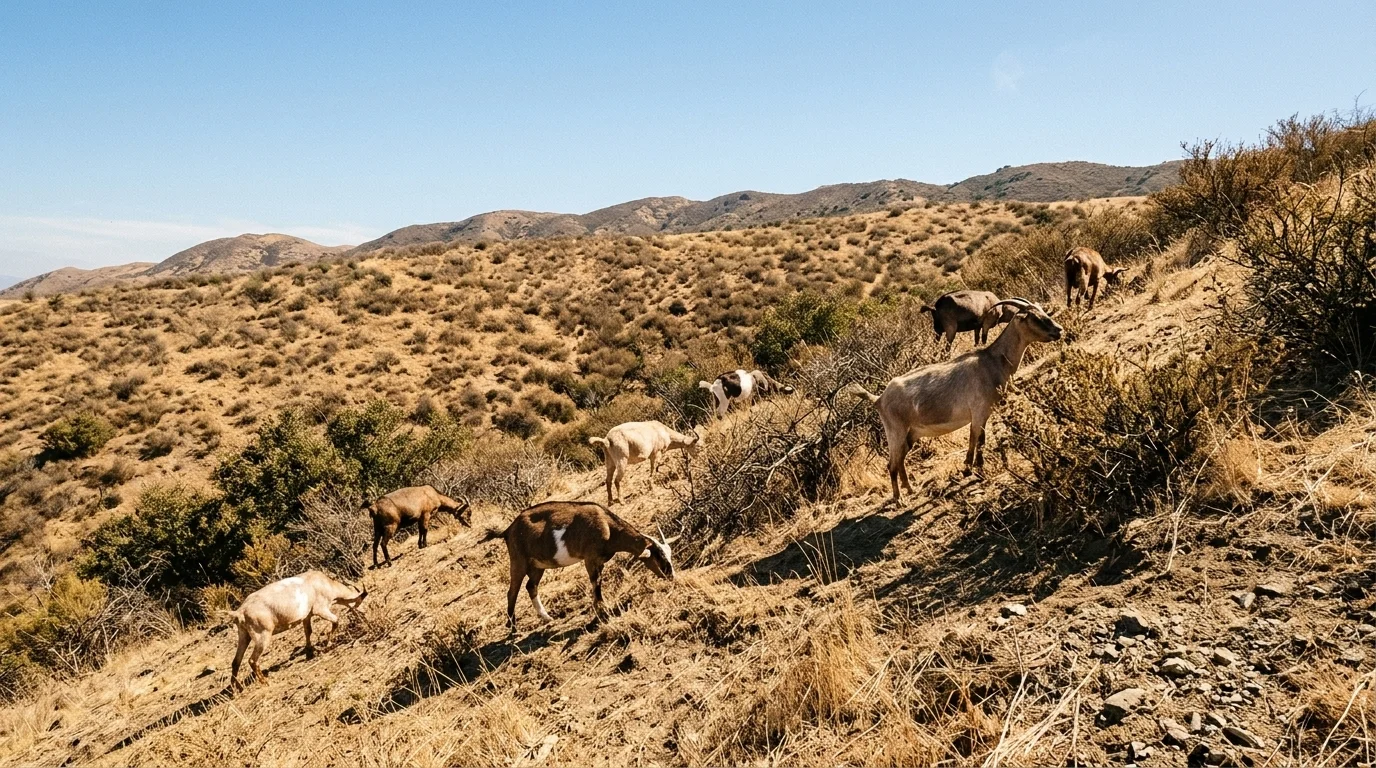
Tram Hills Phase 2 is part of that broader campaign, a parcel-by-parcel effort across Boulder's Open Space and Mountain Parks system, which spans roughly 46,000 acres, much of it forested hillsides directly adjacent to neighborhoods like Chautauqua, Pine Brook Hills, and Table Mesa. The city has been treating these lands in sequence, and the "Phase 2" designation means crews have already worked this terrain once before.
The late-October timing is deliberate. Fall and early winter, when soils are frozen or damp, are the preferred season for mechanical fuel reduction because the risk of accidentally starting a fire with equipment is lower. Boulder has a complicated history with prescribed burns: a 2012 escaped burn near the city damaged public trust in agency-led ignitions, and smoke from pile burns remains a source of tension with some residents.
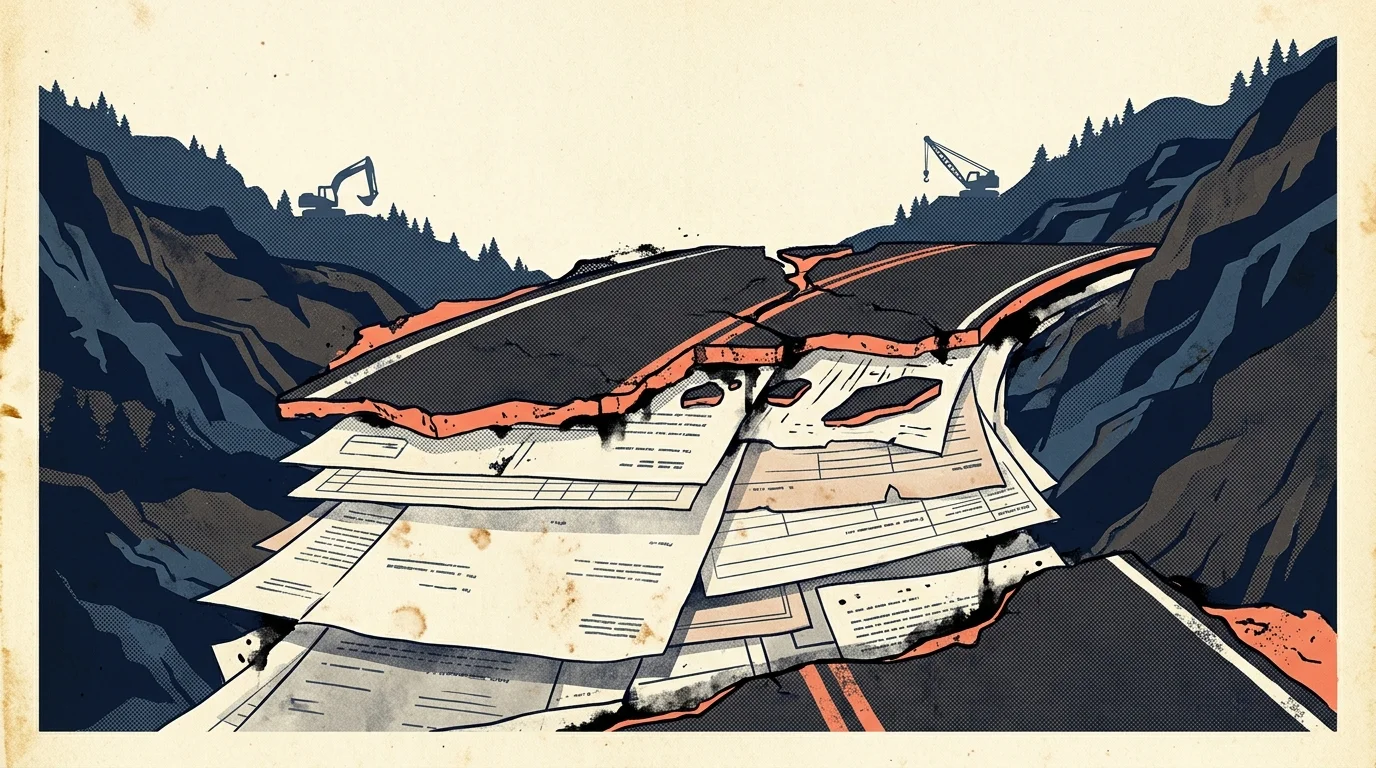
The city is seeking contractors for the project through BidNet Direct, though specific contract value and acreage were not included in the initial posting.
For a city where median home values exceed $1 million and thousands of properties sit within or adjacent to fire-prone wildland, the stakes of getting this work done are concrete. The NCAR Fire in March 2022 burned close to south Boulder homes; post-fire reviews credited prior fuel treatments with limiting its spread. Boulder's approach is now watched across the Front Range as other communities face the same reckoning about what it takes to live alongside fire-adapted forests that haven't burned in decades.