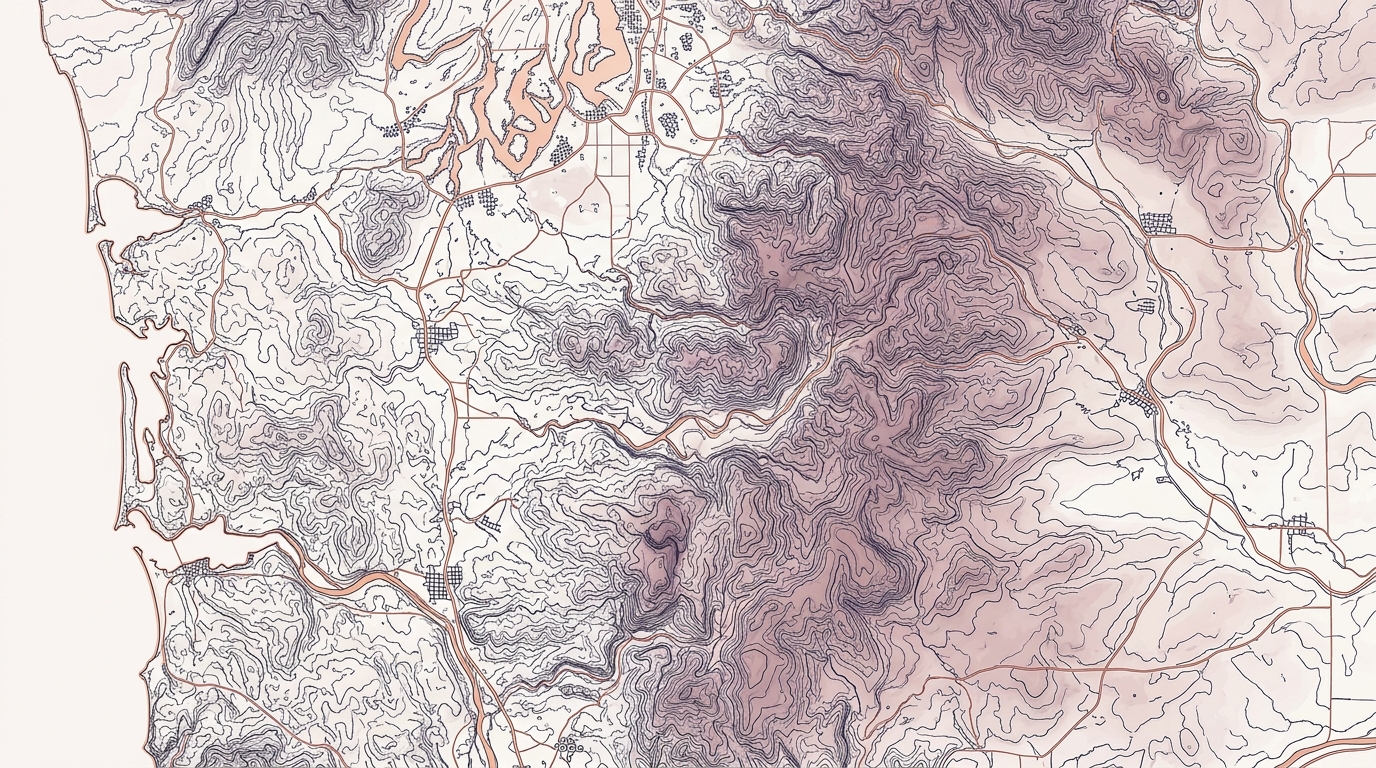
Bothell, Wash., is moving to restore stretches of the Sammamish River and a key tributary, Waynita Creek, in one of the region's most direct efforts yet to undo environmental damage that has pushed threatened Chinook salmon to the edge of local survival.
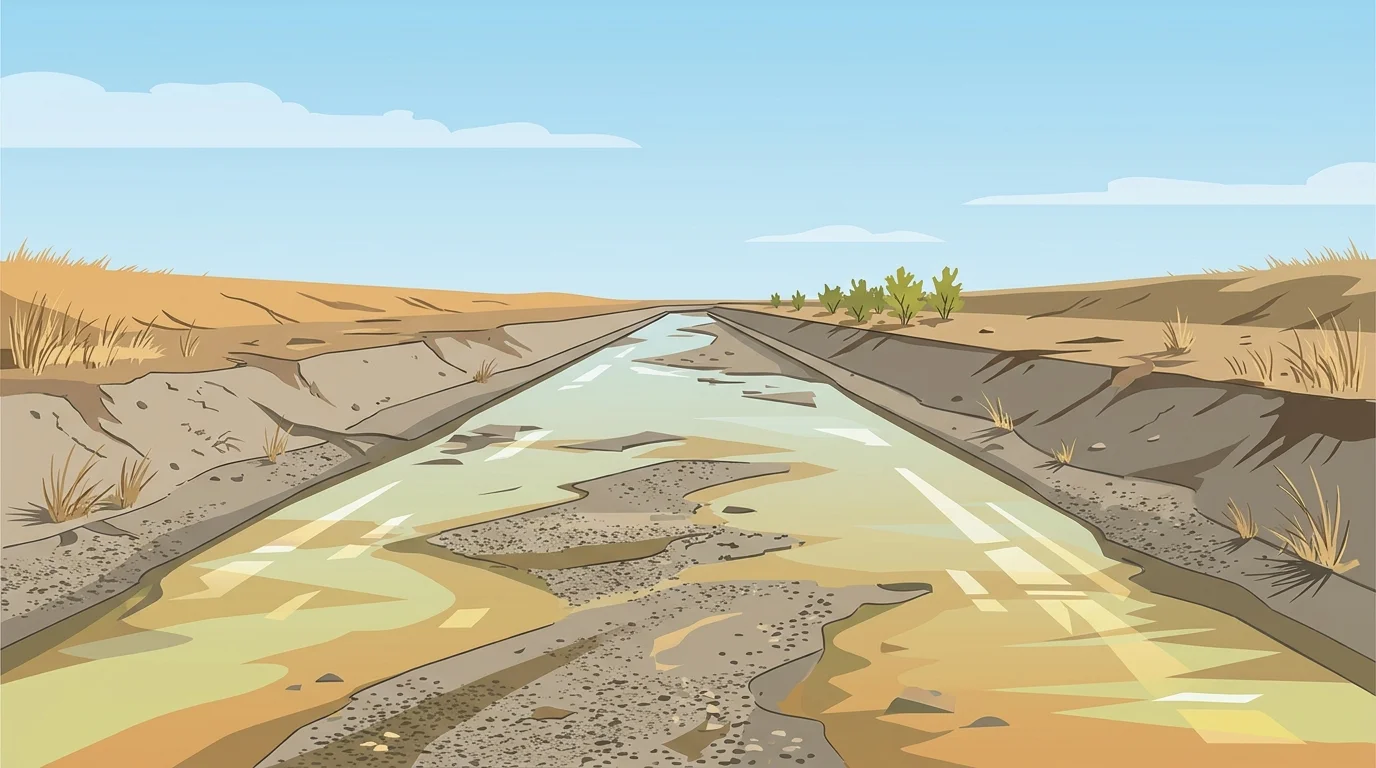
The project targets a river system fundamentally broken by a single federal decision made more than 60 years ago. Between 1962 and 1964, the U.S. Army Corps of Engineers straightened and channelized the Sammamish, converting a shaded, meandering waterway into a fast, shallow ditch designed to drain land for farms and suburbs. That transformation destroyed most of the river's salmon-rearing habitat. Today, the Sammamish regularly reaches 70 degrees Fahrenheit or higher in summer, temperatures lethal to juvenile Chinook and dangerous for the sockeye that use it as a migration corridor between Lake Washington and Lake Sammamish.
Waynita Creek, a small tributary entering the Sammamish near Bothell's northwestern edge, has taken on outsize importance in this picture. It is one of the few remaining cold-water refuges in the lower river system, offering a thermal lifeline to fish that would otherwise have nowhere to escape the heat. Rapid residential development around the creek in recent years has increased stormwater runoff, adding pressure to one of the system's last reliable refuges.
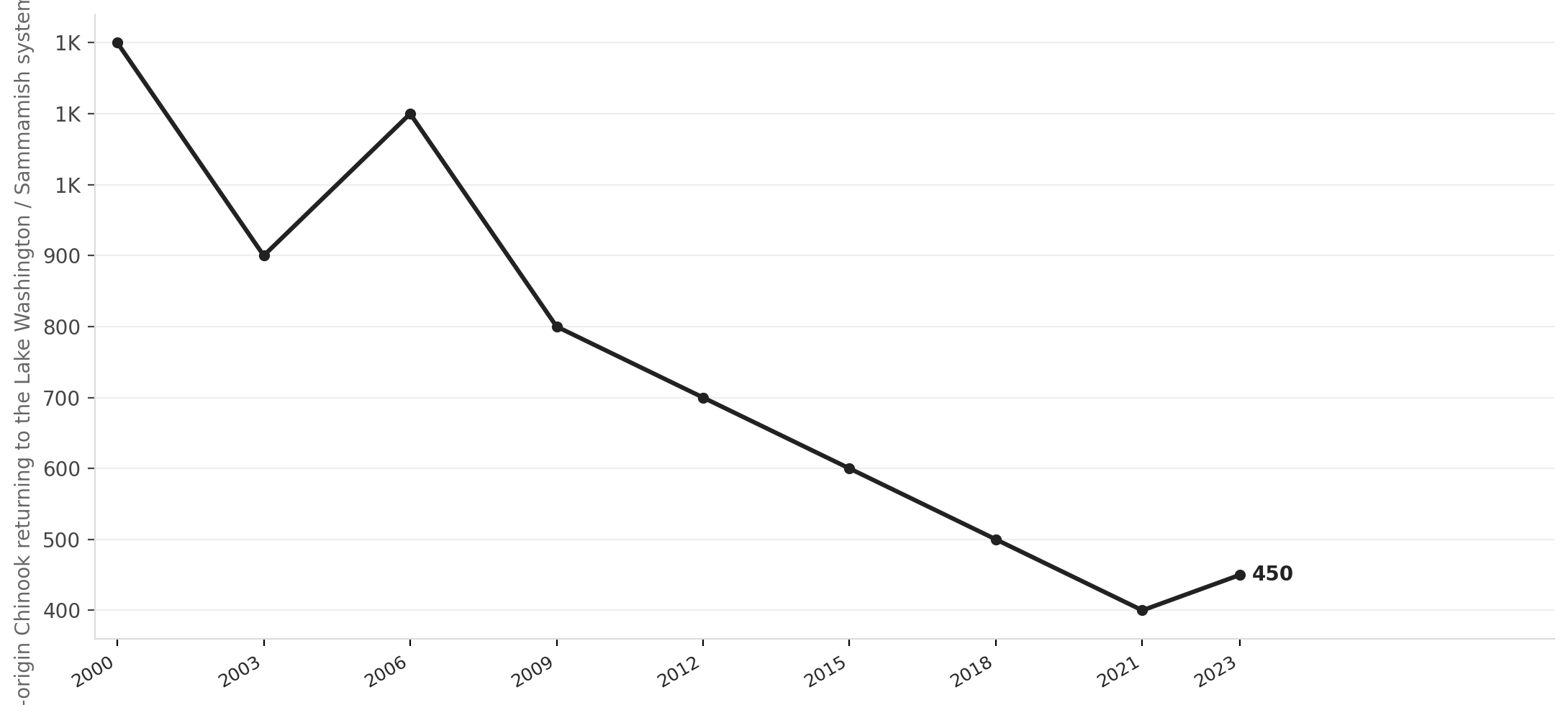
Source: NationGraph.
The stakes extend well beyond fish counts. Puget Sound Chinook were listed as threatened under the federal Endangered Species Act in 1999, and the Southern Resident killer whales that depend on them have been starving as salmon runs decline. After orca Tahlequah's highly publicized loss of her calf in 2018, Governor Jay Inslee convened a task force that directly linked orca starvation to collapsing Chinook populations and directed new state funding toward salmon habitat. Federal infrastructure and climate legislation passed in 2021 and 2022 opened additional funding streams that cities like Bothell have been pursuing.
Restoration work in projects like this typically involves reshaping riverbanks, planting native trees and shrubs to shade and cool the water, adding large woody debris to create the pools salmon need to rest and feed, and reconnecting side channels that were cut off during channelization. Bothell has done this kind of work before: a re-meandering of the Sammamish near City Hall, completed in the mid-2010s as part of a broader downtown revitalization, became a local model for combining urban development with ecological repair.
The city has now posted a new bid solicitation to hire contractors for the Sammamish River and Waynita Creek work. Budget figures and a construction timeline were not included in publicly available materials and would need to be obtained from the full project documents. Contractor selection is the immediate next step as the city moves toward beginning work on two waterbodies that salmon recovery planners have long flagged as priorities.