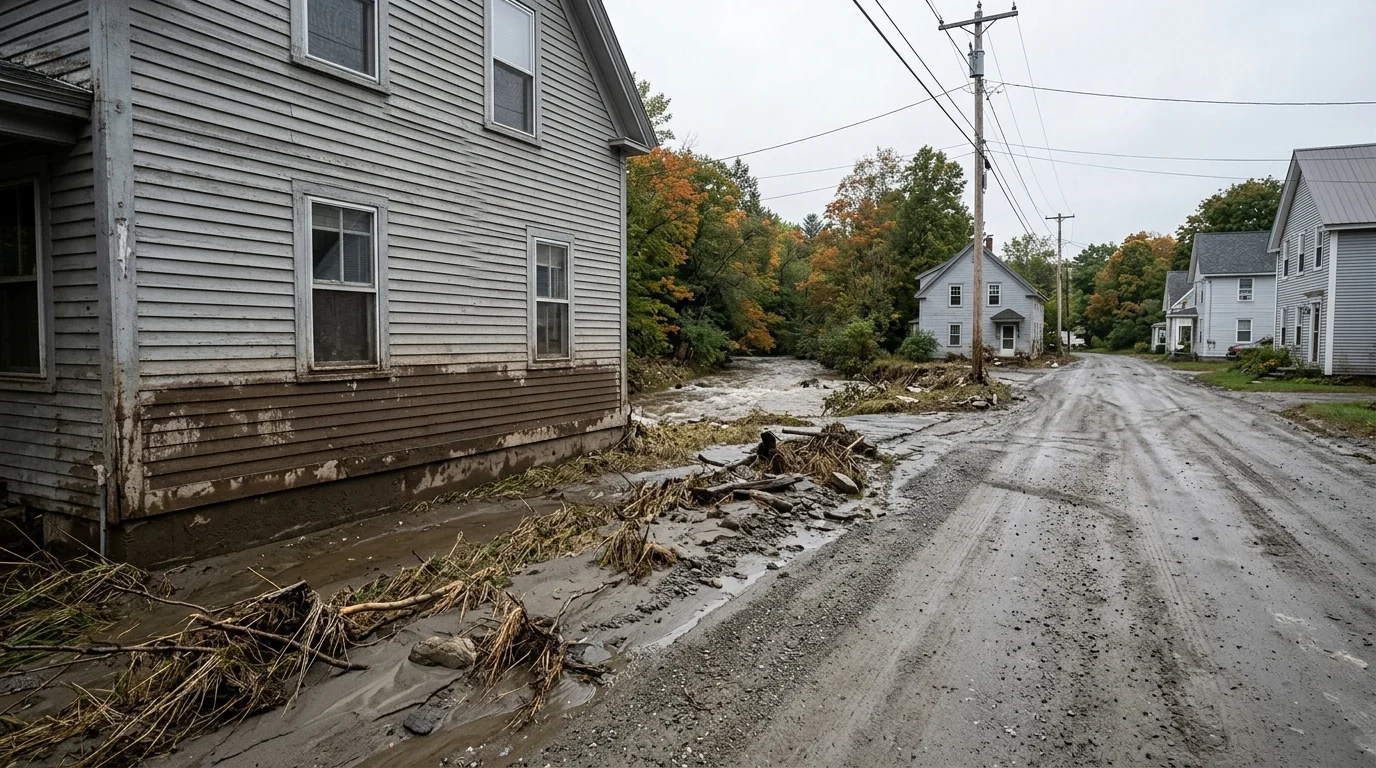
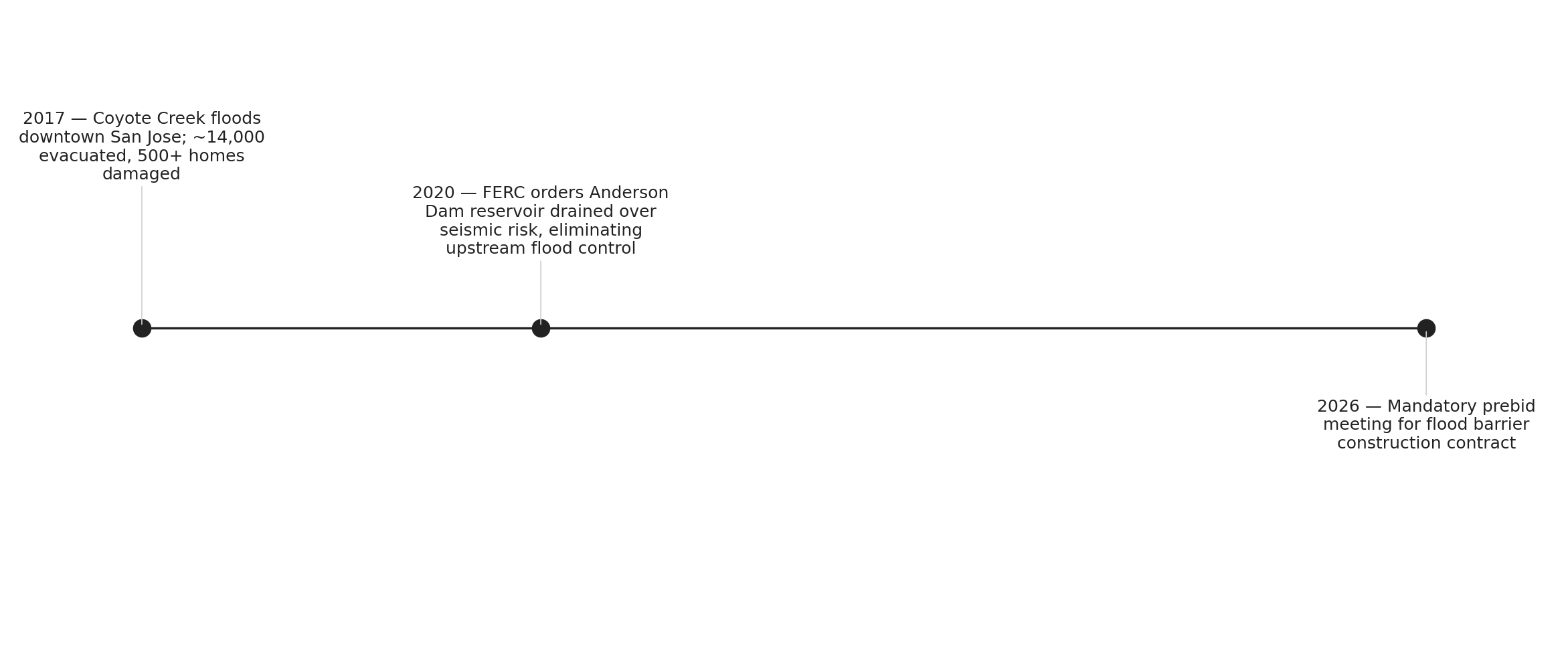
Nearly nine years after floodwaters from Coyote Creek forced 14,000 San Jose residents from their homes and swamped more than 500 properties in a single devastating February day, Santa Clara Valley Water District is moving to build the flood barriers that could prevent it from happening again.
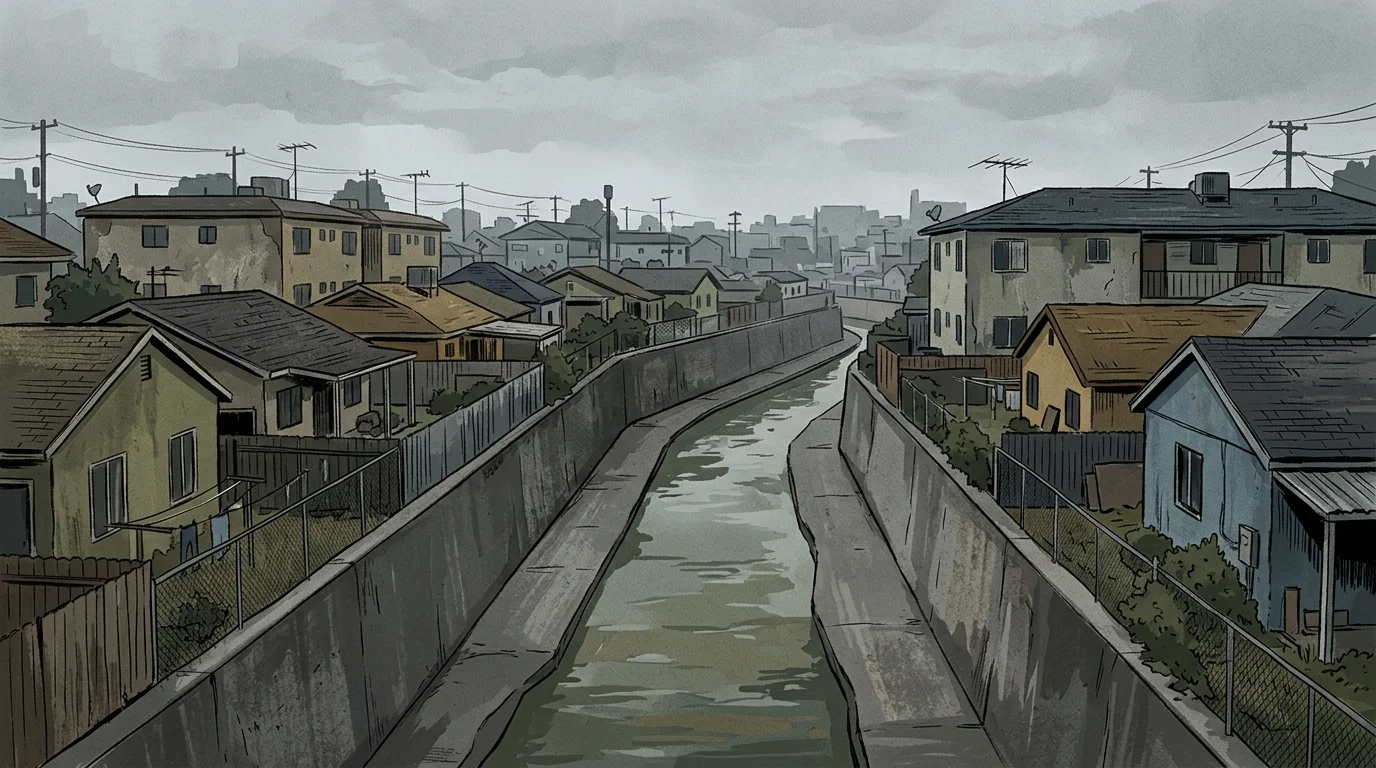
The 2017 flood, one of the worst in the city's modern history, hit hardest in the Rock Springs and Olinder neighborhoods near William Street, communities home to many low-income Latino and Vietnamese families. The surge exposed how far behind Coyote Creek had fallen: while other South Bay waterways had been upgraded over the decades, Coyote Creek's flood protection remained well below the federal standard for handling a once-in-a-century storm.
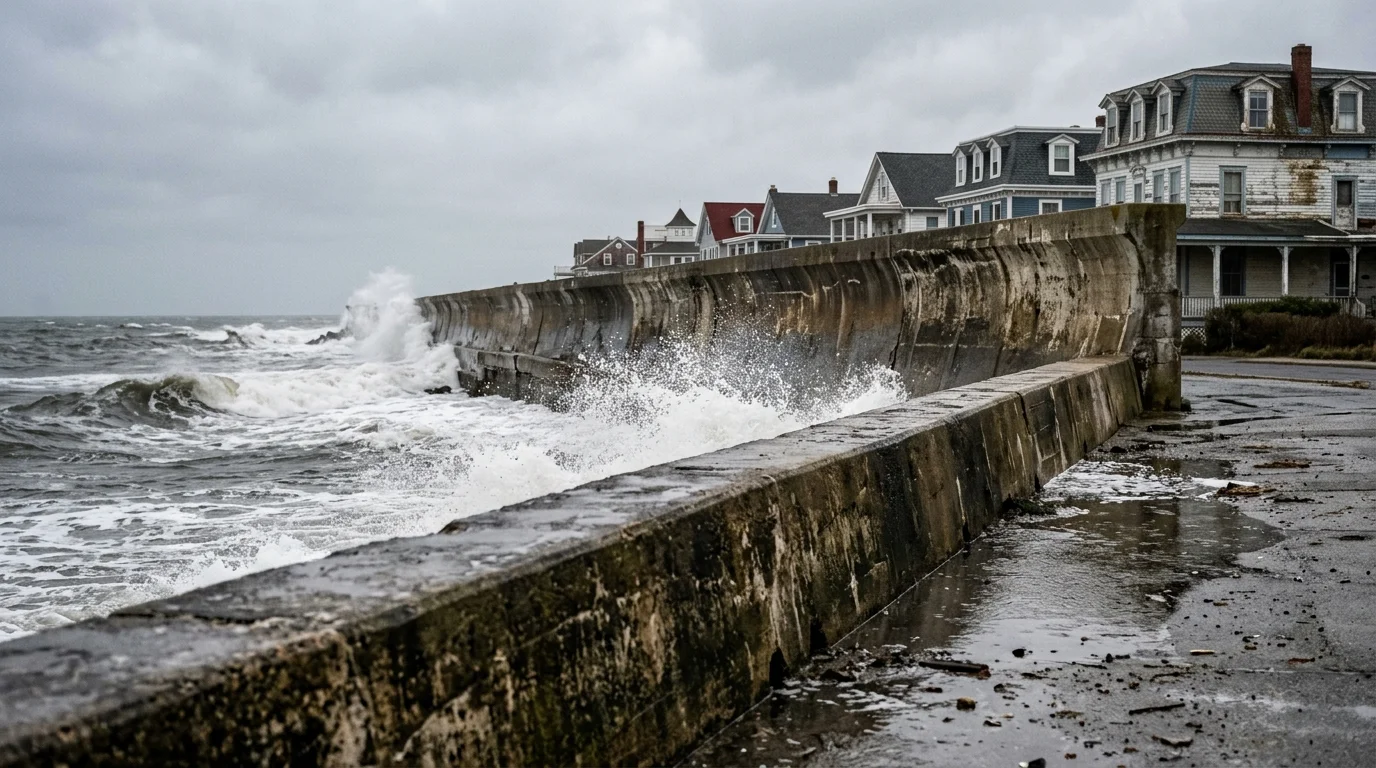
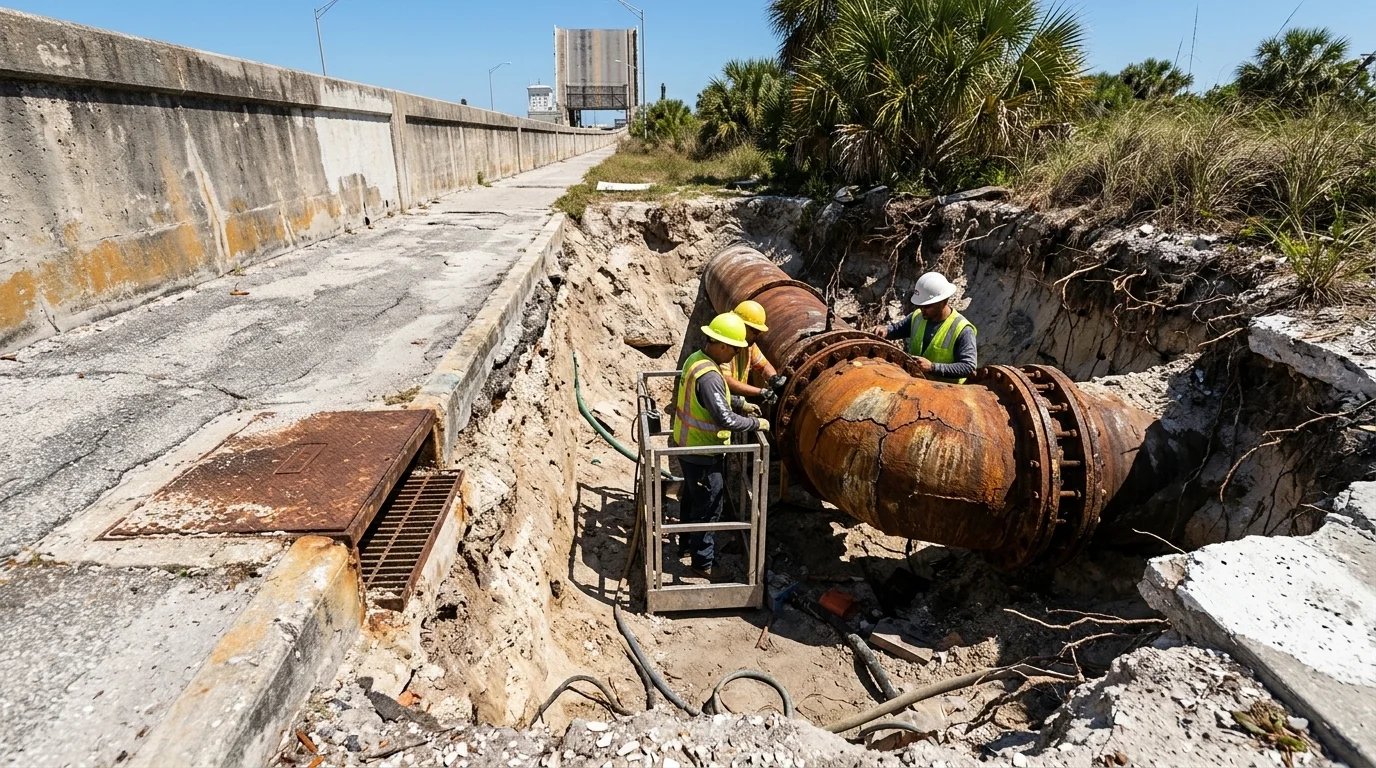
Now Valley Water is seeking contractors to build that protection, with work running through the creek's urban corridor in downtown San Jose. The project will install passive flood barriers and floodwalls, reinforce existing channel walls using carbon fiber polymer wrapping, and add sheet piling along vulnerable stretches of the creek. The corridor runs through a sensitive mix of populated neighborhoods, historic sites, and urban greenway, which is why the project also requires biological, archaeological, cultural resource, and paleontological monitoring throughout construction.
Source: NationGraph.
The urgency has only grown since 2017. Anderson Dam, the major reservoir upstream on Coyote Creek, was found by federal regulators in 2020 to pose an unacceptable seismic risk. The Federal Energy Regulatory Commission ordered it drained, eliminating the dam's ability to slow floodwaters before they reach San Jose's neighborhoods. A massive seismic retrofit of the dam is underway but won't restore full operations for years, leaving downtown communities more exposed than at almost any point in recent memory.
The project is being funded through local district dollars, likely drawing from Valley Water's Safe Clean Water and Natural Flood Protection Program, a parcel tax Santa Clara County voters have approved twice. Advancing the work with local funding rather than waiting for federal appropriations reflects the district's recognition that the window of risk is open now.
Valley Water has faced sustained criticism over the pace of Coyote Creek improvements since the 2017 disaster, including a Santa Clara County Civil Grand Jury report that faulted the district's emergency communication during the flood. Community groups in the neighborhoods most affected have repeatedly pushed for faster action.
Contractor selection is now underway. How quickly crews can mobilize and complete the barriers will determine how much protection downtown San Jose has heading into future wet seasons.