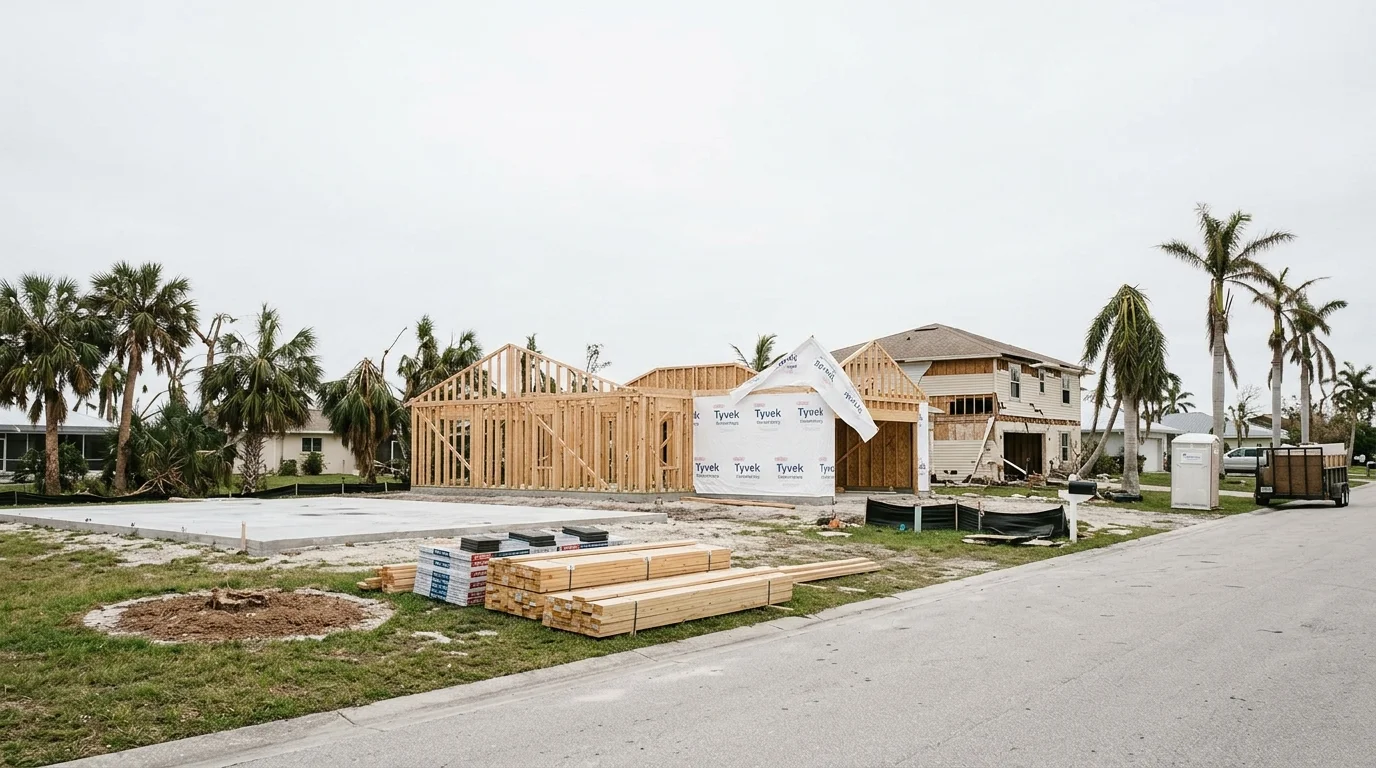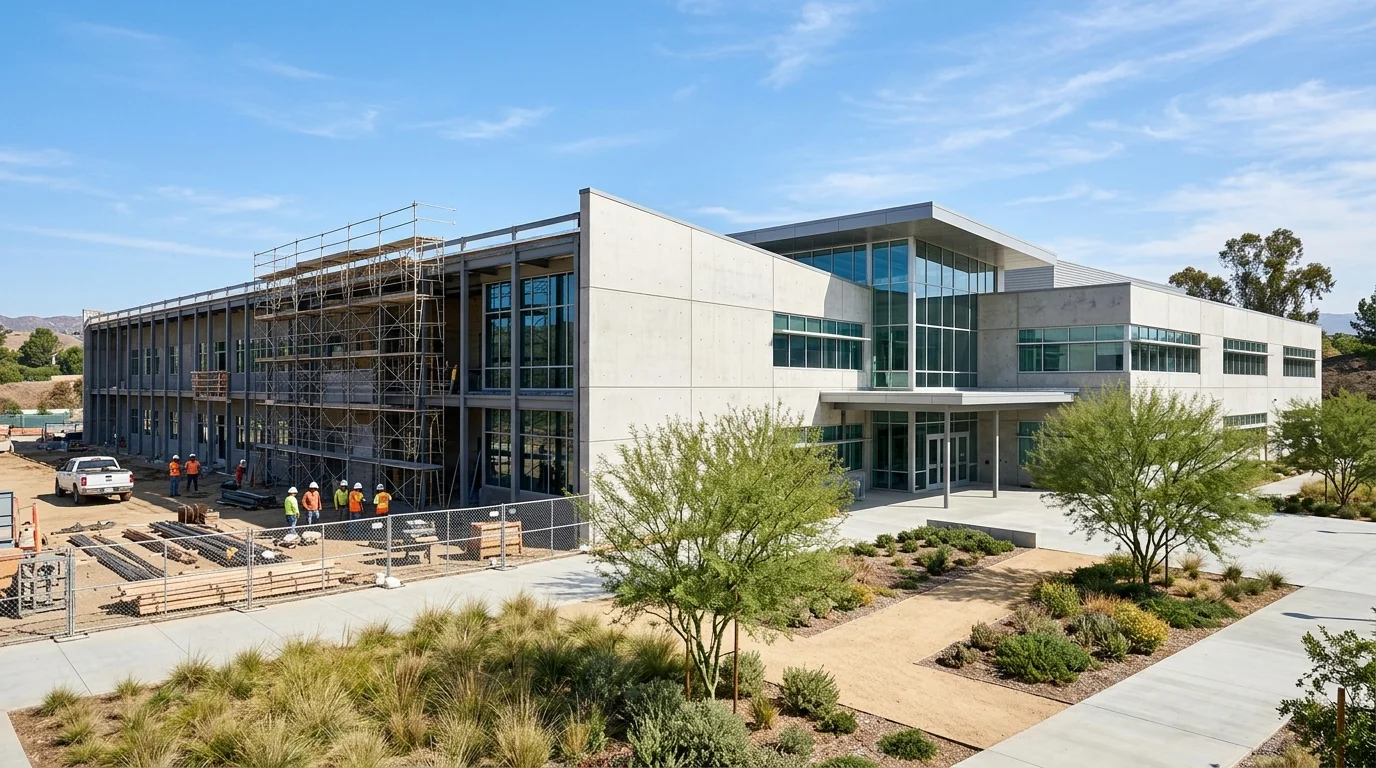
West Park High School in Roseville, California, opened in August 2023 as a bare-bones campus built to absorb one of the fastest-growing suburban communities in the state. Now the district is spending $70 million to make it look more like the schools that have been there for decades.
The Roseville Joint Union High School District is moving forward with the fourth phase of construction at West Park, adding a three-story classroom building and a performing arts center to the school on Panther Place in west Roseville. The project, listed on the district's facilities development page, is expected to take roughly 44 months from start to finish.
The push reflects how unusual Roseville's situation is in modern California. While many districts across the state are closing schools and managing enrollment declines, RJUHSD serves about 11,000 students across six high schools and keeps growing. The master-planned communities of Fiddyment Farm, Westpark and Sierra Vista have added tens of thousands of residents to south Placer County over two decades, and West Park was the district's first new comprehensive high school in nearly 20 years when it opened.
Much of the funding flows from Measure D, a $164 million general obligation bond that Roseville voters approved in 2016 specifically to build West Park, along with developer fees tied to ongoing residential construction in the area. Statewide, Proposition 2, a $10 billion school construction bond passed by California voters in November 2024, is also beginning to reach districts.
The performing arts center signals that the district intends to bring West Park to full parity with older campuses like Granite Bay and Woodcreek, both of which have established arts programs.
The district is using a lease-leaseback delivery method, a California-specific contracting approach that allows a builder to construct the project on land leased from the district, then lease the finished facility back to the district over a set term. The method drew heavy scrutiny in the 2000s and 2010s after districts used it to steer contracts to preferred builders without competitive bidding. A 2016 state law, AB 2316, overhauled the process to require prequalification of contractors and evaluation based on best value rather than lowest bid alone. This project follows that updated framework.
Contractor selection is underway. The district anticipates conducting interviews in late August, with construction timelines to follow.