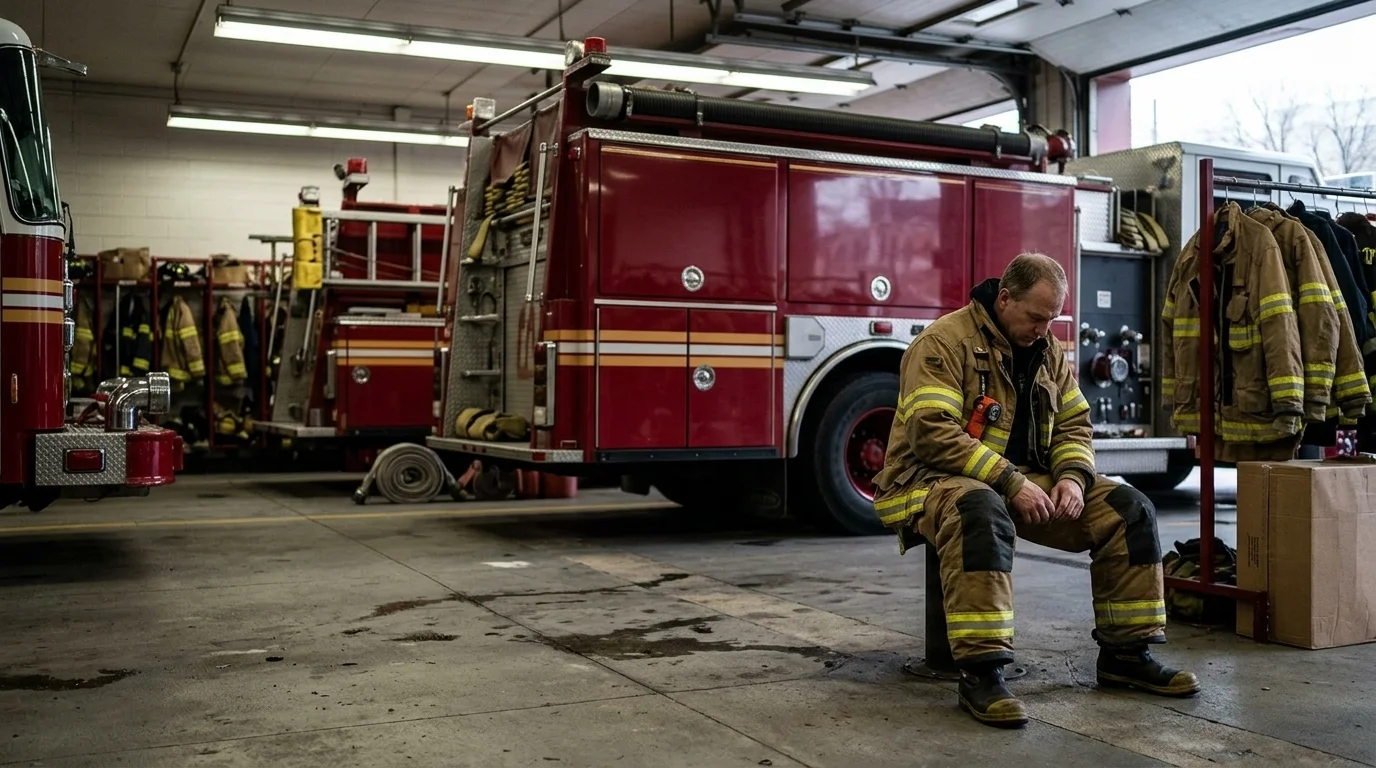
Minneapolis is hiring a mental health contractor specifically for its firefighters, an acknowledgment that six years of compounding trauma have pushed the city's fire department beyond what informal peer support can absorb.
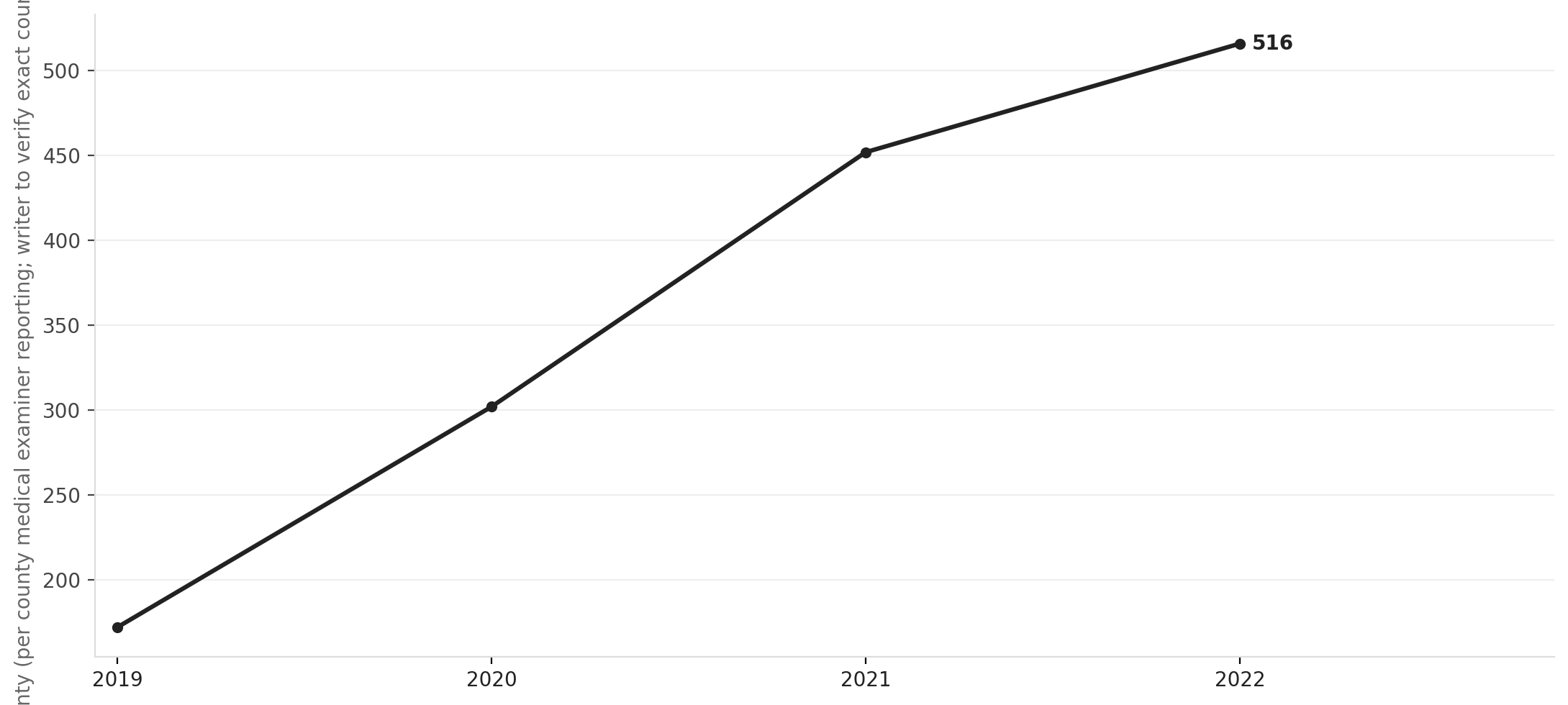
The Minneapolis Fire Department serves a city of roughly 425,000 with about 400 sworn firefighters across 19 stations. Since May 2020, those firefighters have worked through an extraordinary stretch: battling structure fires during days of civil unrest after the murder of George Floyd, responding to a fentanyl overdose surge that roughly tripled Hennepin County overdose deaths between 2019 and 2022, and absorbing sustained elevated call volumes with documented staffing shortages. Unlike a typical municipal fire department, MFD crews have administered Narcan at unprecedented rates and responded to scenes of fatal overdoses as a near-daily reality.
The mental health toll on firefighters nationally is well documented. Studies have found firefighters experience PTSD at rates roughly comparable to combat veterans, around 20%, versus about 7% in the general population. The Firefighter Behavioral Health Alliance has found firefighters are statistically more likely to die by suicide than in the line of duty. The federal HERO Act of 2021 directed the CDC and SAMHSA to build data systems and best practices for first responder behavioral health, and the International Association of Fire Fighters has operated a behavioral health treatment center since 2017.
Source: NationGraph.
What Minneapolis is now doing goes further than the ad hoc peer support or general employee assistance program referrals most departments have relied on. The city is seeking a contractor to deliver clinical services tailored specifically to the occupational trauma firefighters face, not a generic wellness hotline. Minnesota also has a practical incentive to act early: the state passed presumptive PTSD workers' compensation coverage for first responders in 2018, meaning untreated mental health conditions carry direct financial costs for the city.
IAFF Local 82, Minneapolis's firefighters' union, has publicly advocated for expanded mental health resources. Firefighter wellness has remained a rare point of agreement in a city where Mayor Jacob Frey and the City Council have clashed repeatedly over public safety spending.
The city has posted the RFP on its procurement portal. Contract value and duration were not available in the posted record. A contractor has not yet been selected.