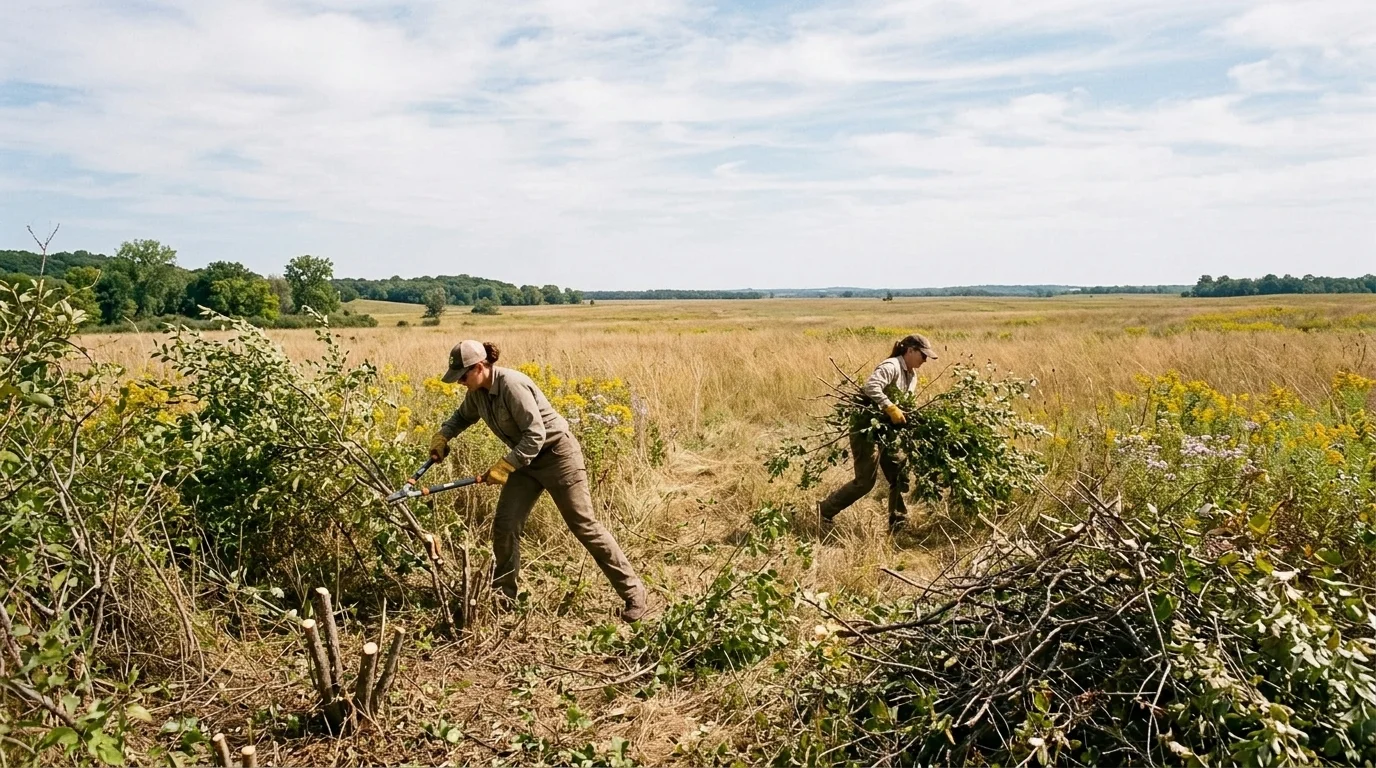
McHenry County, Illinois is clearing invasive trees and shrubs from Queen Anne Prairie, betting that restored native grassland can help hold back floodwaters that have repeatedly swamped the region over the past two decades.
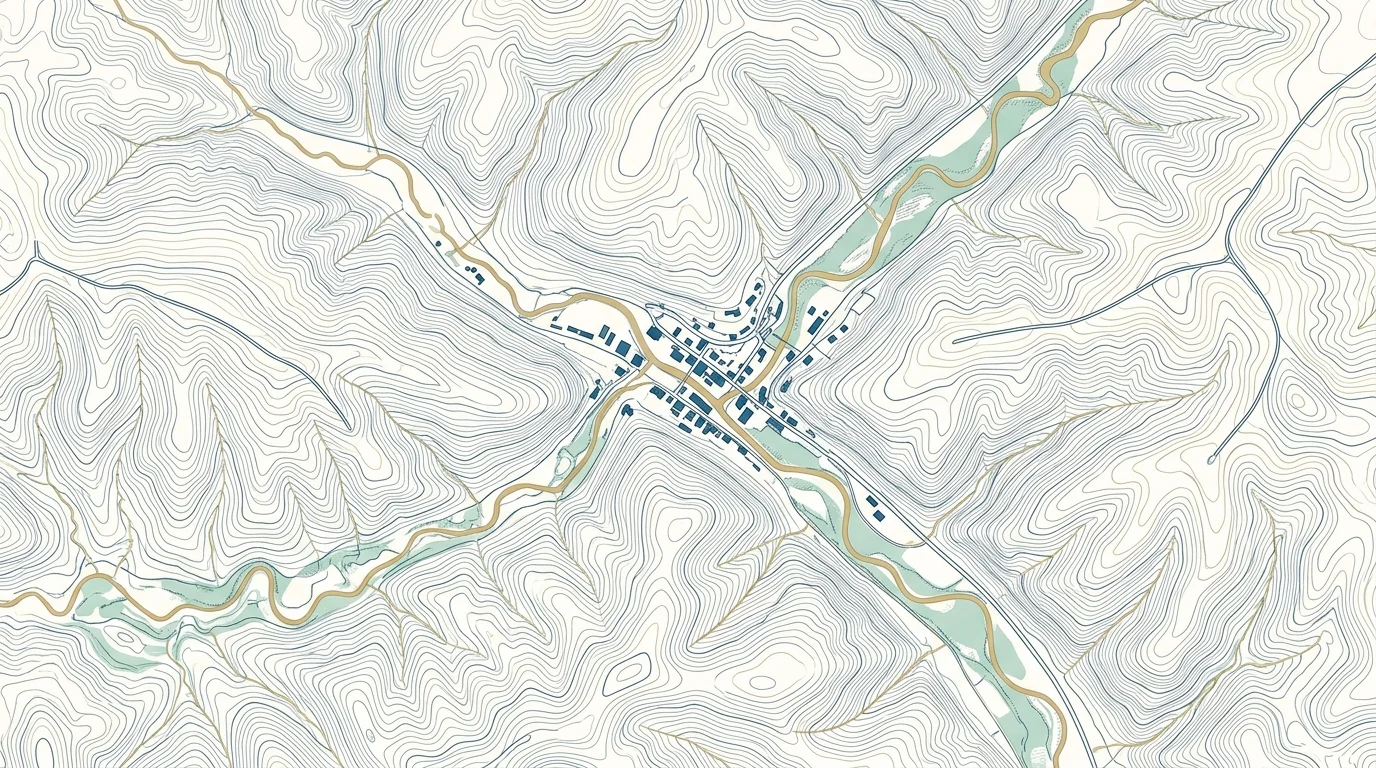
The McHenry County Conservation District is seeking contractors for the work at Queen Anne Prairie, one of its preserved natural areas along Silver Creek, a tributary of the Fox River. The project targets buckthorn, honeysuckle, autumn olive and other woody invasives that have crept into the prairie over decades of fire suppression, steadily displacing the native grasses and wildflowers that once defined northern Illinois.
The flood-reduction angle is rooted in soil science. Native tallgrass prairie plants send roots 10 to 15 feet into the ground, pulling rainwater deep into the earth and reducing runoff. Invasive shrubs and trees don't do that. When they colonize a prairie, water that would have infiltrated the soil runs off instead, adding to stream volume downstream. Silver Creek drains into the Fox River, which has flooded catastrophically in 2008, 2013, 2017 and 2020, with the 2017 and 2020 events triggering federal disaster declarations.
Source: NationGraph.
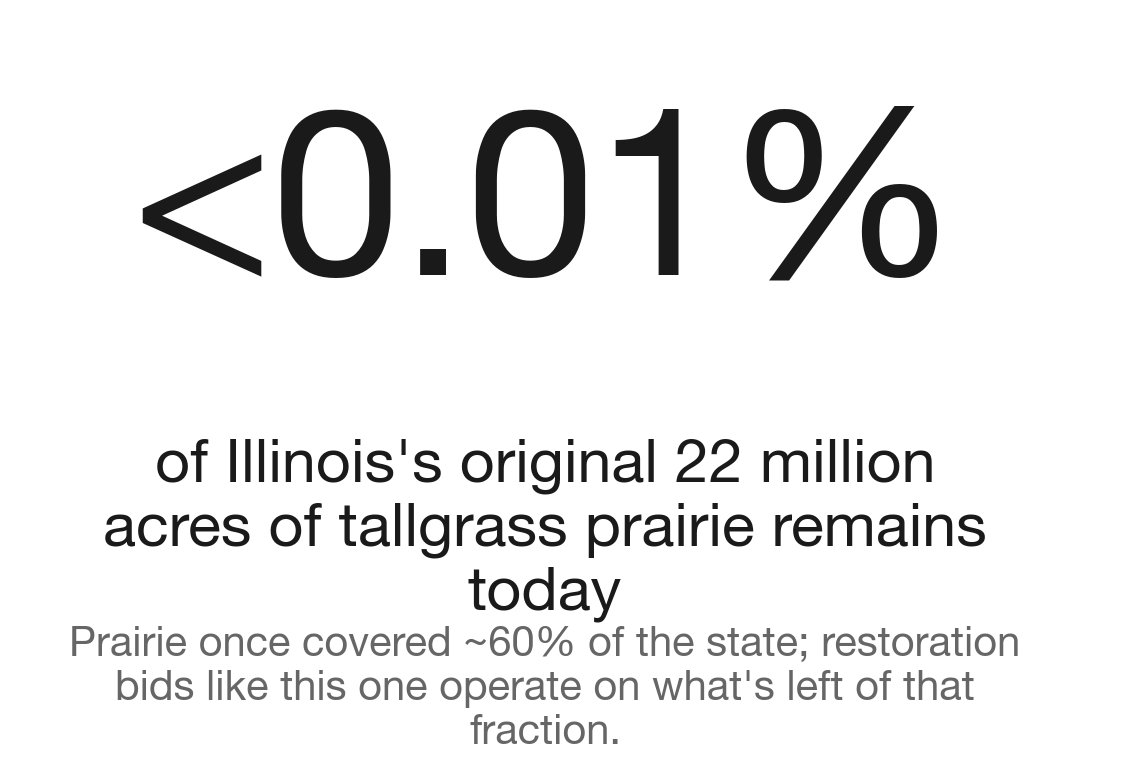
The broader ecological stakes are significant. Illinois was once roughly 60 percent tallgrass prairie, some 22 million acres. Today, less than 0.01 percent of that original landscape survives, making it one of the most endangered ecosystems in North America. European buckthorn, introduced as an ornamental hedge plant in the 1800s, is among the most aggressive colonizers of what remains.
The Conservation District, founded in 1971 and one of the few standalone conservation bodies in Illinois with its own taxing authority, has protected more than 25,000 acres in McHenry County, much of it funded through voter-approved bonds. Restoration work like this is the long follow-through on those acquisitions: buying land is the beginning, but turning it back into a functioning ecosystem takes years of active management.
McHenry County, at the northwestern edge of the Chicago metro area, saw rapid suburban expansion through the 1990s and 2000s that added enormous amounts of pavement and rooftop, accelerating runoff into the Fox River watershed. That history gives green infrastructure projects like this one unusual political appeal in a county that leans conservative but has passed open-space measures by wide margins.
The contract value has not been disclosed in the public record. Residents seeking more detail can contact the Conservation District directly as the bid process moves forward.