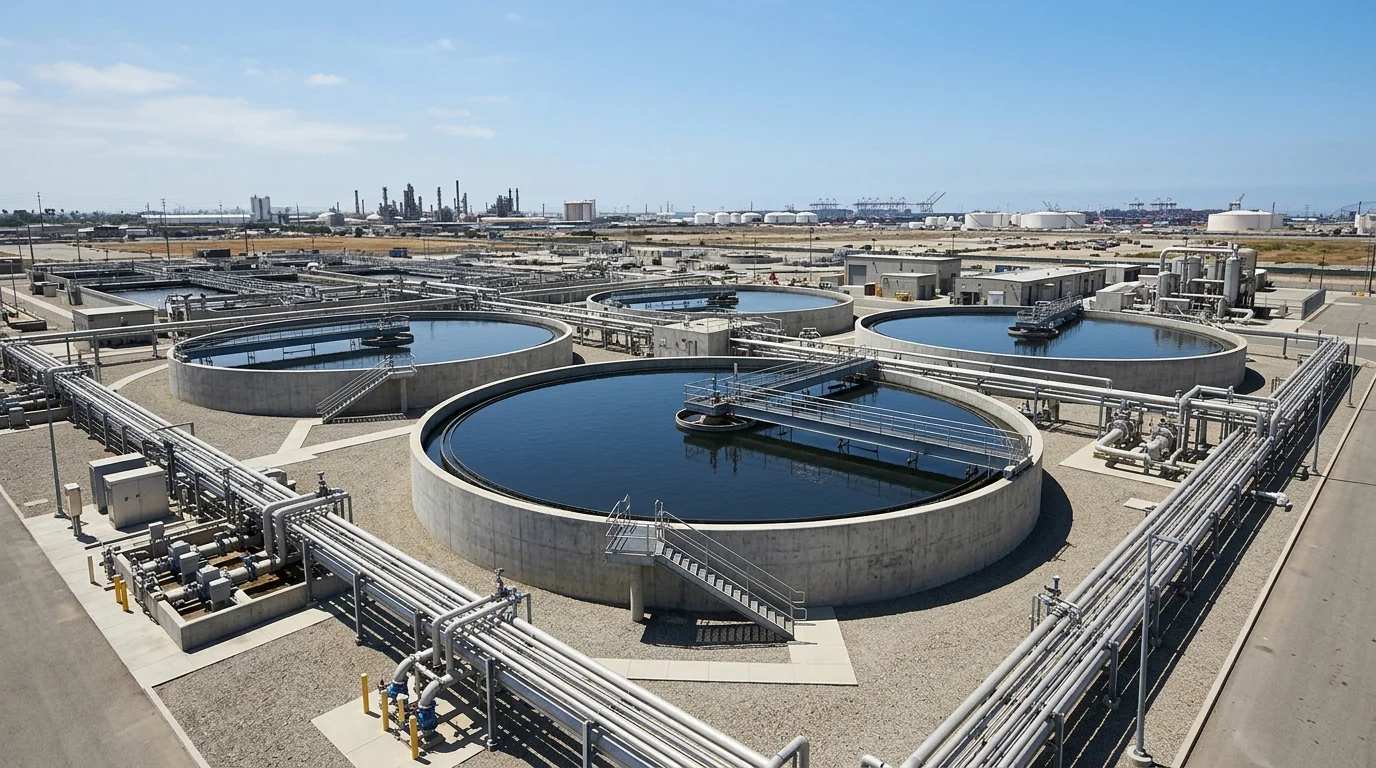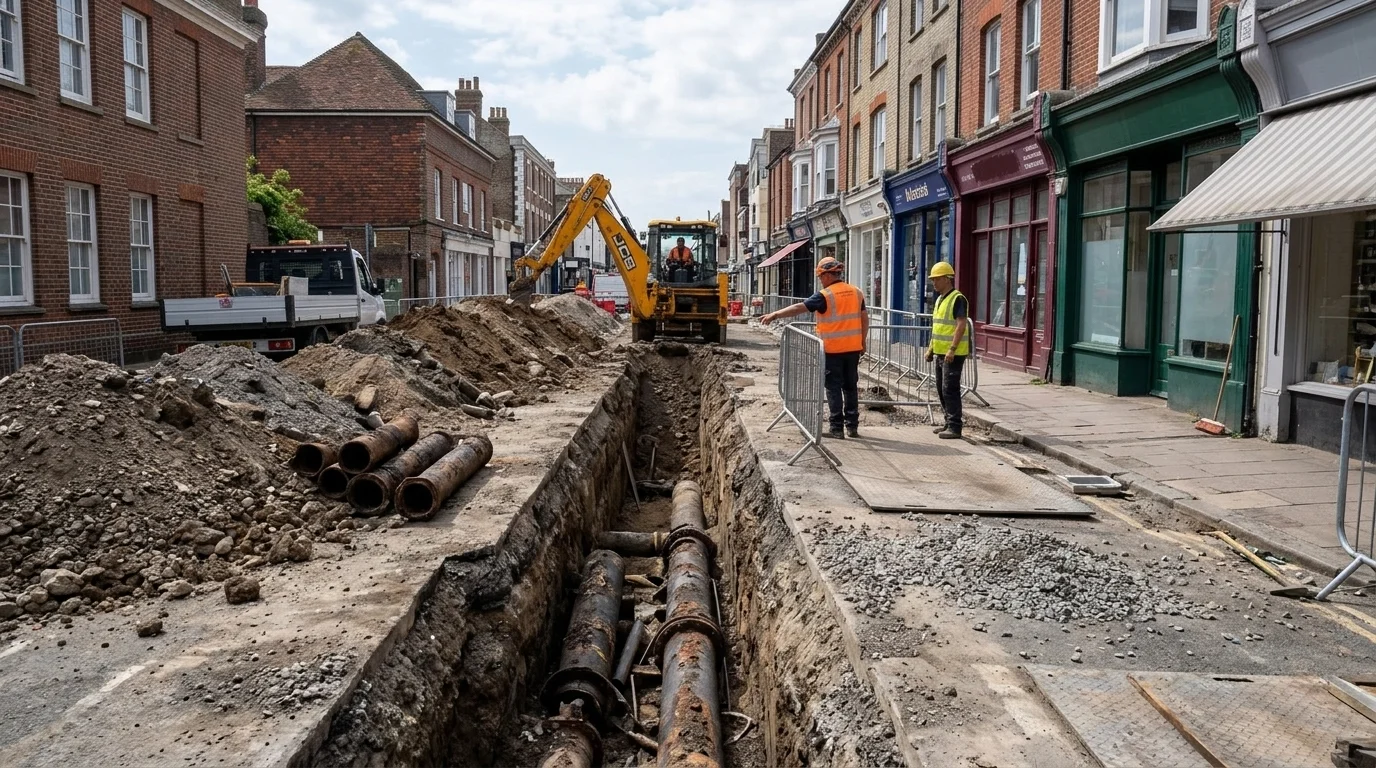
Brighton, Colo., is replacing the water mains running beneath its historic downtown, launching the first phase of what city planners expect to be a years-long overhaul of pipes that in some cases date back to the early 20th century.
The project targets Brighton's "core city" grid, the original platted streets where the oldest and most deteriorated mains still carry drinking water to residents and businesses. While newer subdivisions on Brighton's edges were built with modern PVC and ductile iron pipes, the infrastructure underneath the historic downtown has remained largely unchanged even as the city's population grew from roughly 20,000 in 2000 to more than 42,000 today.
That growth is part of what makes the replacement urgent. Brighton, about 20 miles northeast of Denver in one of Colorado's fastest-growing exurban corridors, owns and operates its own water utility, meaning local ratepayers carry the cost of capital projects directly. The city's 2016 Water Master Plan flagged core-city mains as priority replacements, and that timeline has since been tightened by federal pressure: EPA's 2024 Lead and Copper Rule Improvements require utilities to inventory and replace all lead service lines within a decade.
Federal dollars are helping drive action. The 2021 Infrastructure Investment and Jobs Act set aside $55 billion for water infrastructure nationally, including $15 billion specifically for lead service line replacement flowing to states through EPA's Drinking Water State Revolving Fund. Cast iron and asbestos-cement pipes from Brighton's early growth era are at or past the end of their typical 75-to-100-year lifespans, a problem playing out simultaneously in cities across the country: the American Society of Civil Engineers estimates a water main break occurs somewhere in the U.S. every two minutes.
The city has posted the Phase I project on the Rocky Mountain E-Purchasing System, seeking contractors to begin work. The "Phase I" label signals this is the opening round of a longer capital program, not a one-time fix.
Water spending has been a friction point in Brighton. Rates have risen multiple times in recent years, drawing pushback from residents in a city that skews more working-class and cost-conscious than many Denver-area suburbs. City council members have repeatedly faced the tension between keeping bills manageable and funding the infrastructure a doubled population demands. How quickly subsequent phases follow this first one will likely depend on how those competing pressures play out.