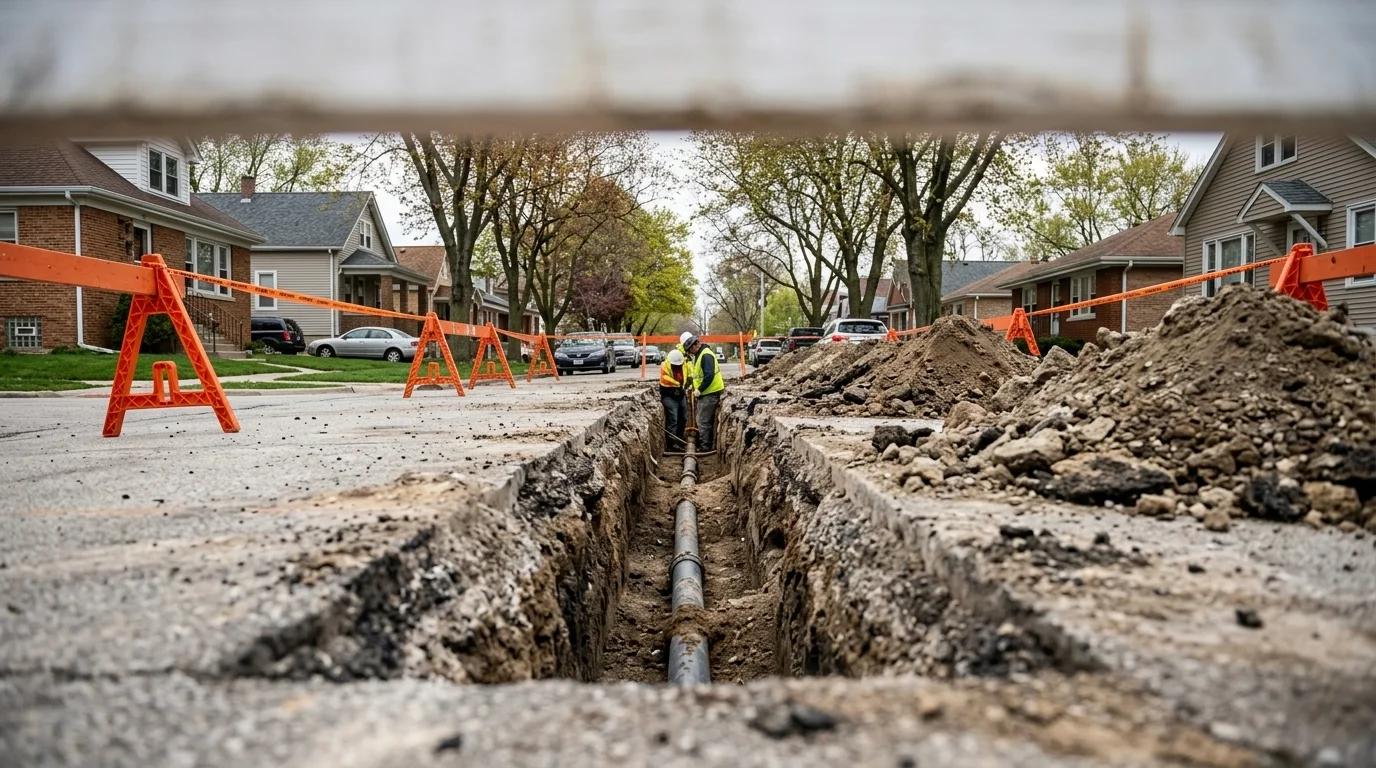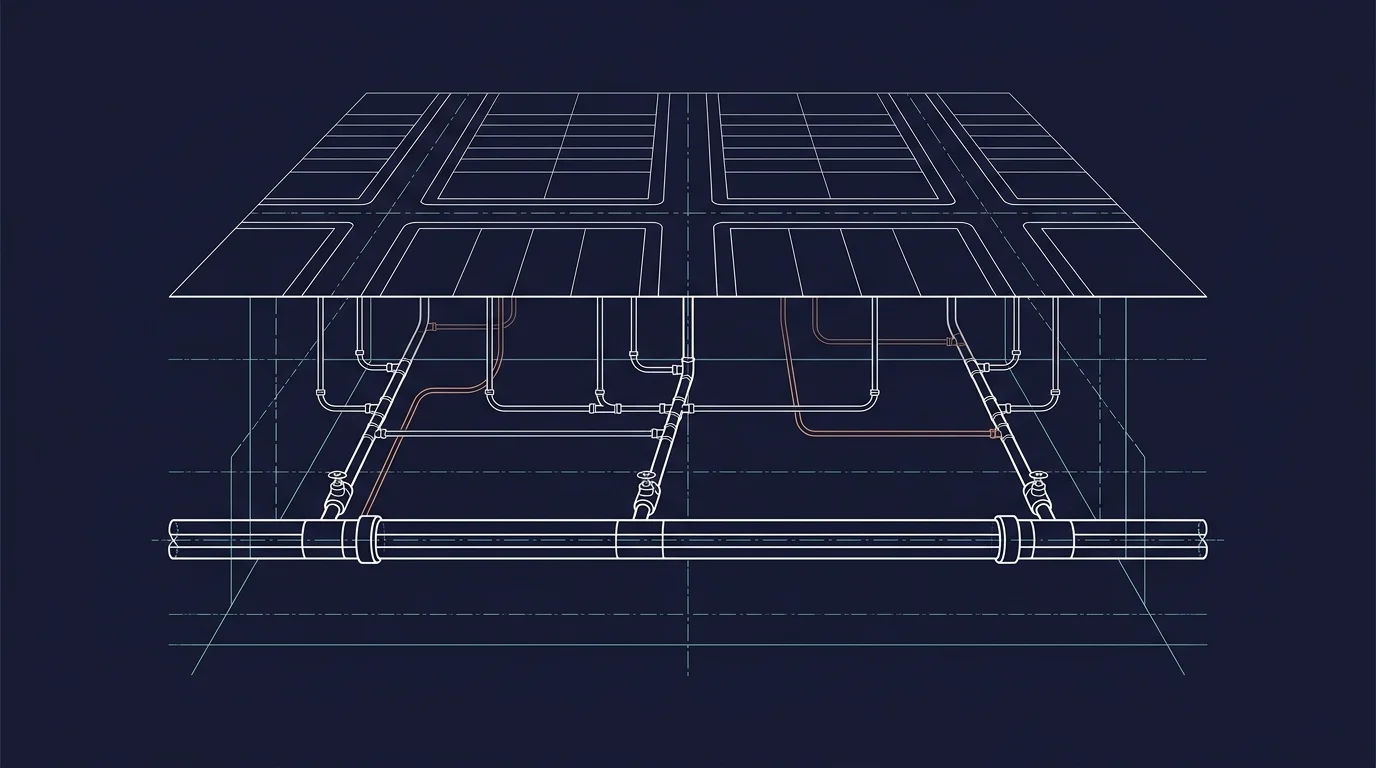
Tampa is moving to inject highly treated wastewater back into the underground aquifer that the region once nearly pumped dry, a construction project that reflects how fundamentally Florida's relationship with water is changing.
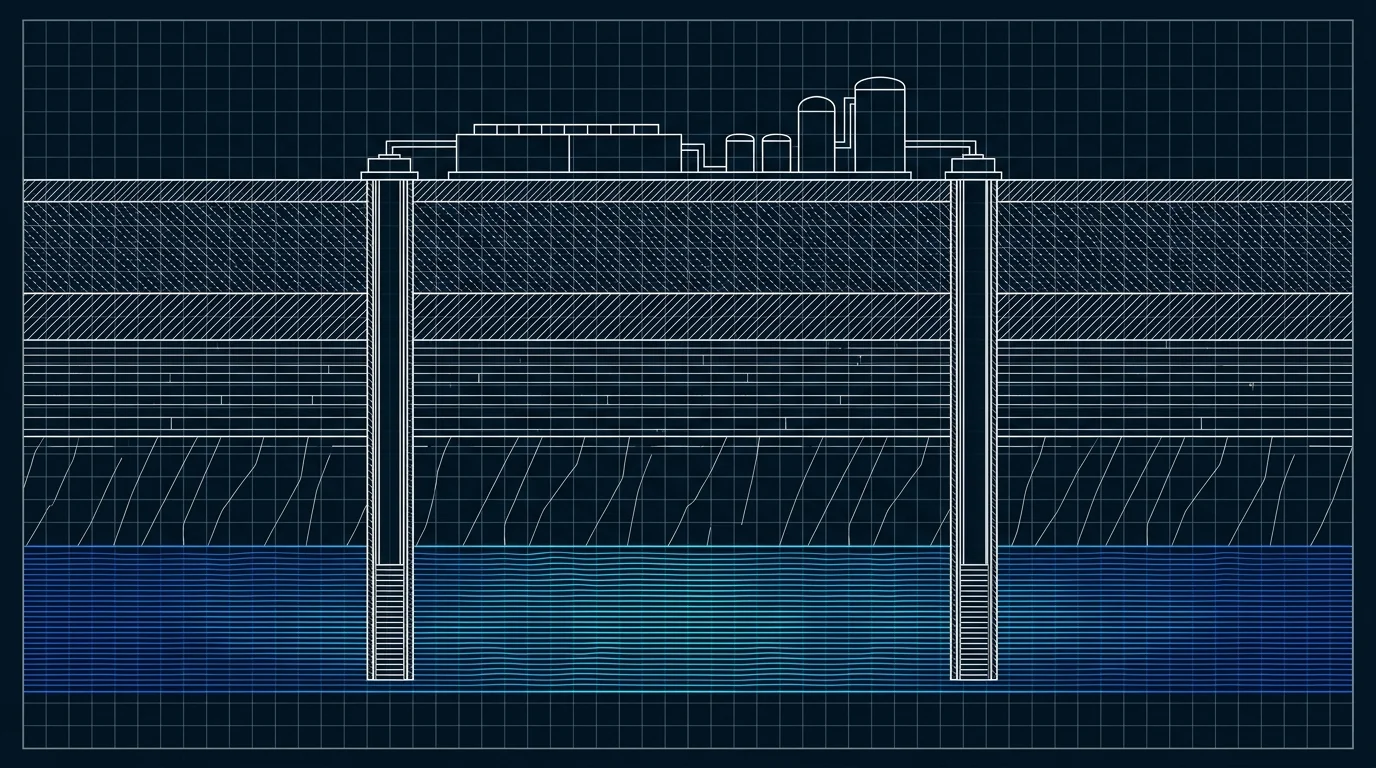
The city is seeking contractors to build aquifer recharge wells at the Howard F. Curren Advanced Wastewater Treatment Plant, Tampa's primary facility on the eastern shore of Hillsborough Bay. The plant treats more than 60 million gallons of wastewater per day, effluent that currently flows into the bay. The new wells would redirect that purified water downward, into the Upper Floridan Aquifer, replenishing the same underground reservoir that supplies much of the region's drinking water.
The project is part of Tampa's PURE (Purify Usable Resources for the Environment) program, which has been developing the infrastructure for indirect potable reuse over several years. But the timeline is no longer driven solely by long-range planning. Florida's SB 64, signed in 2021, requires domestic wastewater utilities to eliminate non-beneficial discharges into surface waters by Jan. 1, 2032, giving Tampa and dozens of other Florida utilities a hard deadline to find somewhere else for their treated effluent to go.
The stakes in the Tampa Bay region are especially high because of its history. In the 1990s, aggressive groundwater pumping from the Floridan Aquifer caused lakes to dry up, sinkholes to open and saltwater to push into the aquifer in northern Hillsborough County. A 1998 agreement capped those withdrawals and forced the region to diversify its supply, leading to the Apollo Beach desalination plant and the Hillsborough River reservoir system. Aquifer recharge is the next piece of that puzzle.
The pressure to find new supply hasn't eased. Hillsborough County has added more than 100,000 residents since 2020, and the Tampa Bay area is among the fastest-growing metros in the country. Drought seasons periodically stress the Hillsborough River, the city's primary drinking water source, and water managers have long warned that the region's existing supply infrastructure is running close to its limits.
The construction bid is listed on the city's procurement portal. With the 2032 state deadline less than six years away, how quickly Tampa can get the wells operational will determine whether the city meets its legal obligations and how much buffer it builds into its water supply before the next drought cycle.