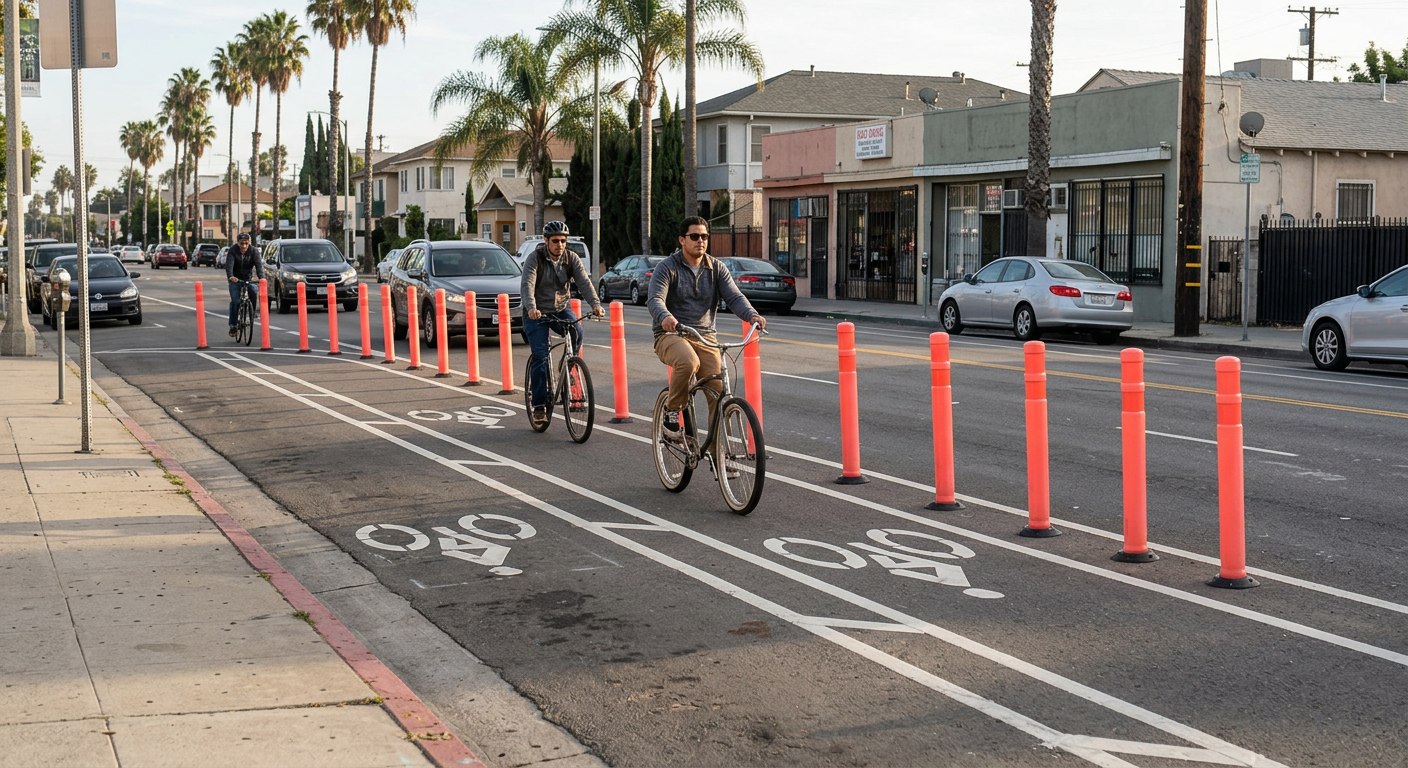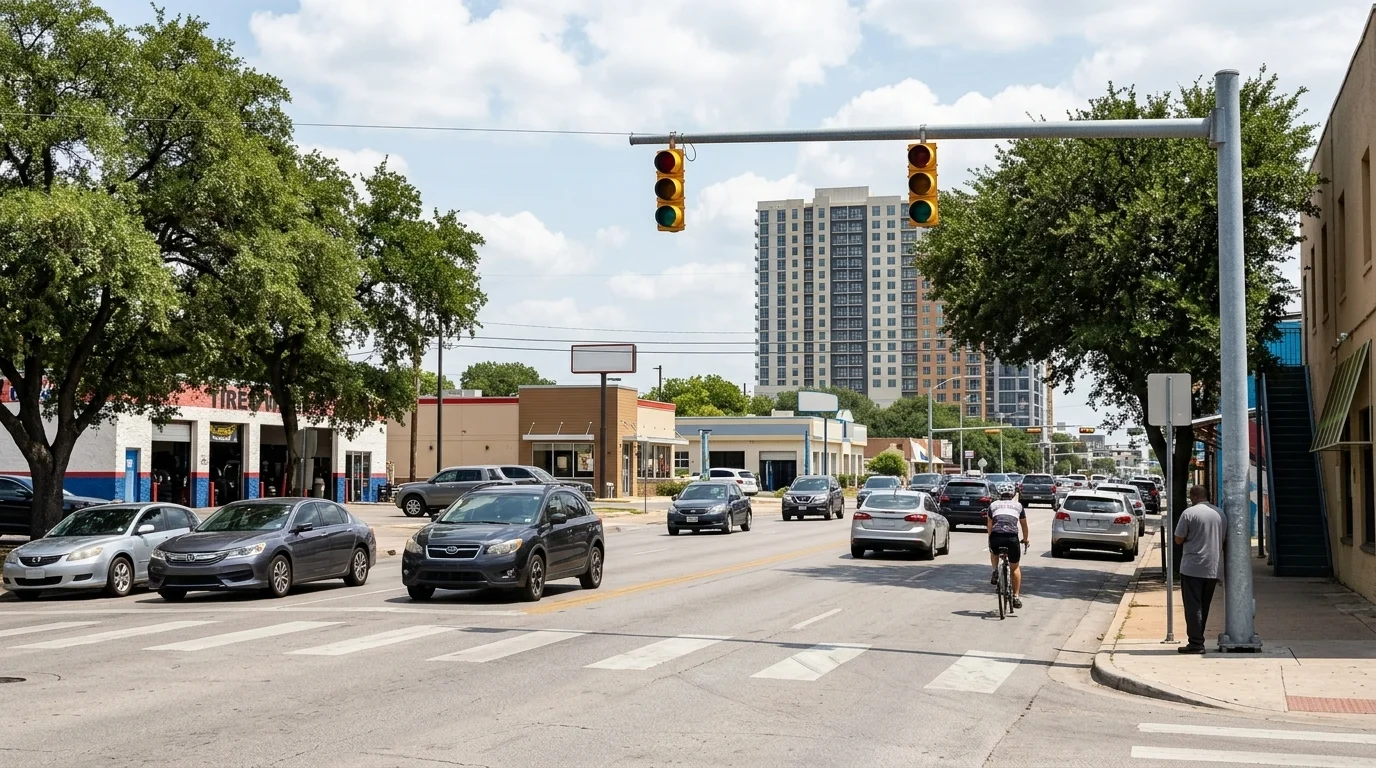
A stretch of South Lamar Boulevard that has long been one of Austin's most dangerous arterials for pedestrians and cyclists is about to be rebuilt from the curb in, with new bike lanes, ADA-compliant sidewalks, rain gardens, and relocated bus stops replacing a road designed for a much smaller city.
The 1.5-mile reconstruction covers South Lamar from US 290 to Montclaire Street, the southernmost segment of the corridor, connecting dense South Austin neighborhoods to downtown and the Barton Springs area. Austin has posted a solicitation for contractors to carry out the work, with bids due Sept. 10, 2026.
The project is tied to Austin's 2016 Mobility Bond, a $720 million package voters approved amid a decade of explosive population growth that left the city's mid-century street grid badly mismatched with its current density. South Lamar was flagged as a priority corridor from the start, alongside Burnet Road, Airport Boulevard and Guadalupe, all arterials the city identified as underbuilt and dangerous. Austin's population has roughly doubled since 1990, and the South Lamar corridor saw a particular surge in apartment construction in the 2010s while the road itself remained narrow and hostile to anyone not in a car.
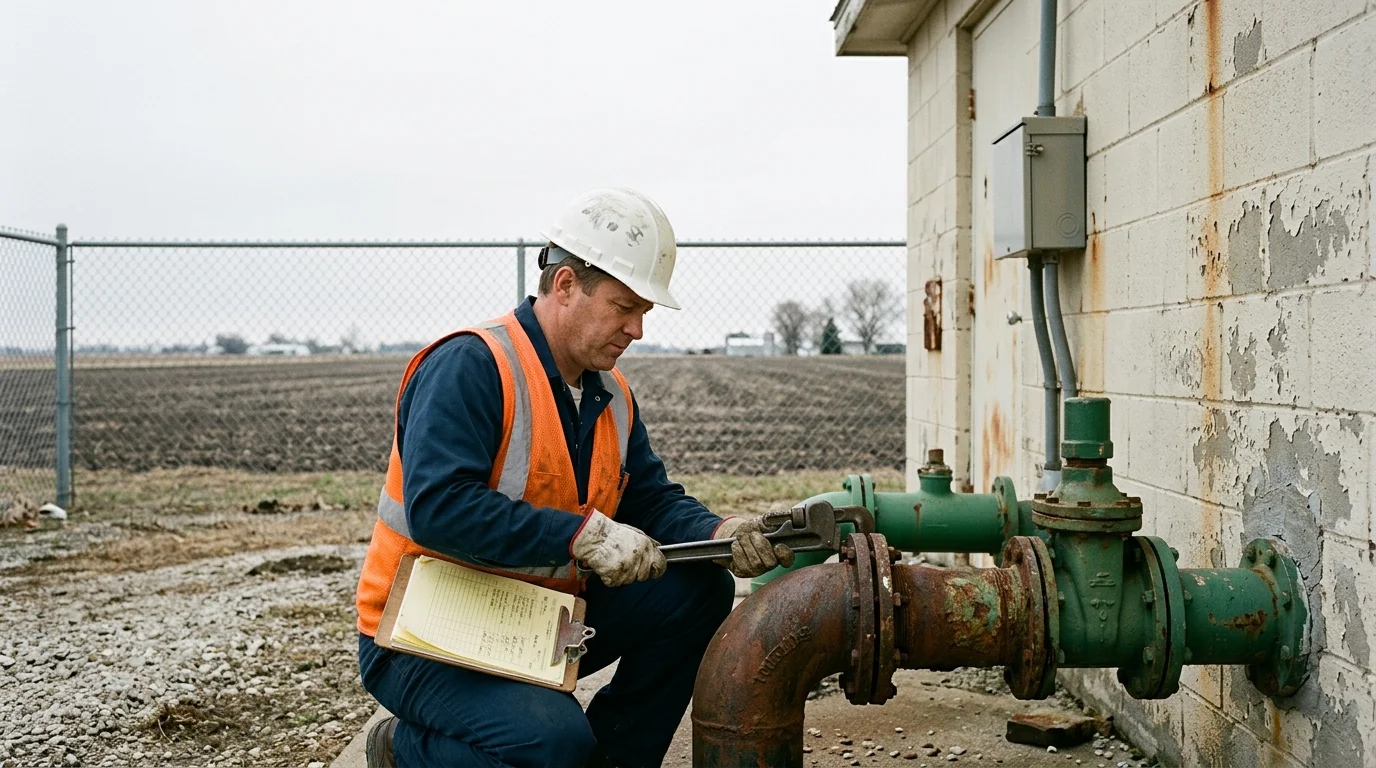
The physical changes are significant. Engineers will move the curb and gutter closer to the road's centerline, effectively narrowing vehicle lanes to carve out protected space for bikes and pedestrians on both sides. Underneath, crews will rebuild storm drains, water lines and wastewater infrastructure. Street-level additions include rain gardens, tree plantings and irrigation systems tied to the city's stormwater management priorities after repeated flooding events in South Austin. Bus stops will be relocated and rebuilt to align with CapMetro service, part of Austin's broader push to coordinate street design with the $7.1 billion Project Connect transit expansion voters approved in 2020.
The corridor has been a long time coming. Austin adopted a Vision Zero pledge in 2016 to eliminate traffic deaths, but fatalities have remained stubbornly high, around 100 or more annually, and South Lamar has contributed to that toll. Businesses along the corridor have also watched the planning process anxiously: the multi-year reconstruction of Burnet Road, another bond-funded corridor, was widely blamed for shuttering several longtime businesses, and South Lamar merchants have raised similar concerns.
This segment near Ben White is historically more car-oriented than the stretch of South Lamar closer to Barton Springs, making the shift to a more pedestrian- and bike-friendly design a meaningful change for that part of the corridor. How construction is managed, and how long it runs, will likely determine whether surrounding businesses weather it.