Somewhere in Colorado, a water system is moving to replace an aging 8-inch distribution main before it fails, a project that reflects a repair backlog playing out in communities across the country.
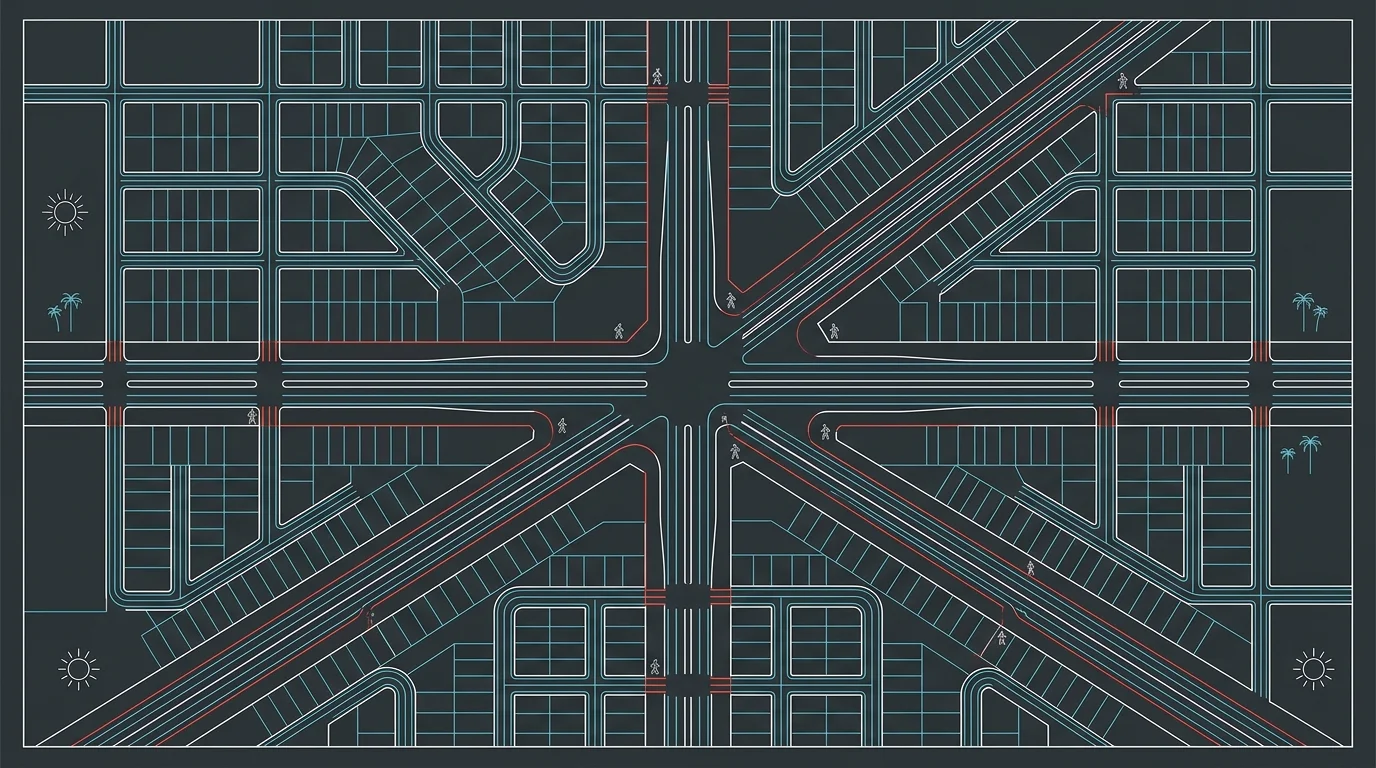
The project targets the "West Loop," a segment of the local water distribution network that helps maintain water pressure and redundancy across a broader service area. In a looped system, a failing pipe doesn't just affect the homes on that block. It can degrade fire flow capacity and pressure throughout the zone. Replacing the main now, before it breaks, avoids the costlier scenario of an emergency repair that could disrupt service for days and flood streets or basements.
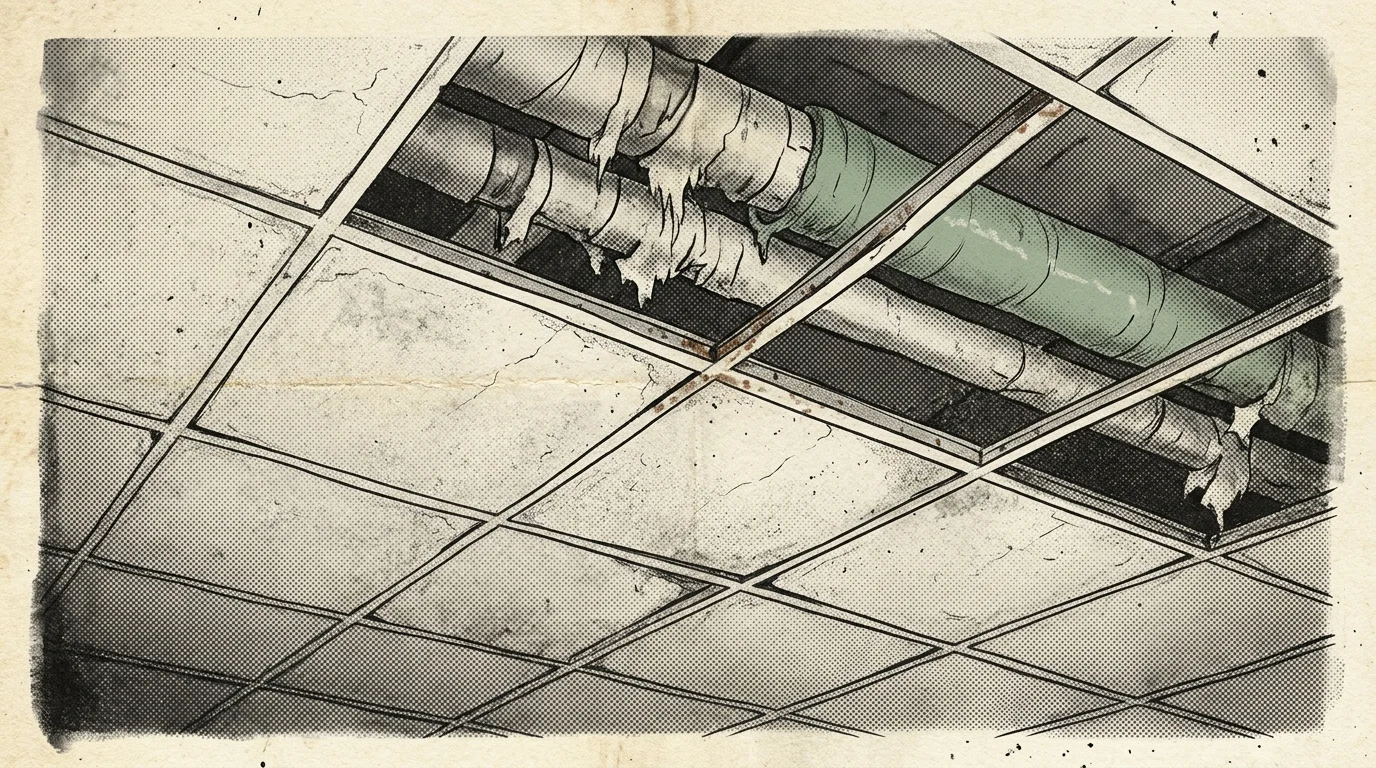
An 8-inch main is a workhorse of residential water distribution. These lines, typically cast iron or asbestos cement in systems built between the 1940s and 1970s, are now well past their design life in many places. Corrosion, joint failures, and shrinking capacity are common, and breaks can force boil-water advisories that leave households without safe tap water.
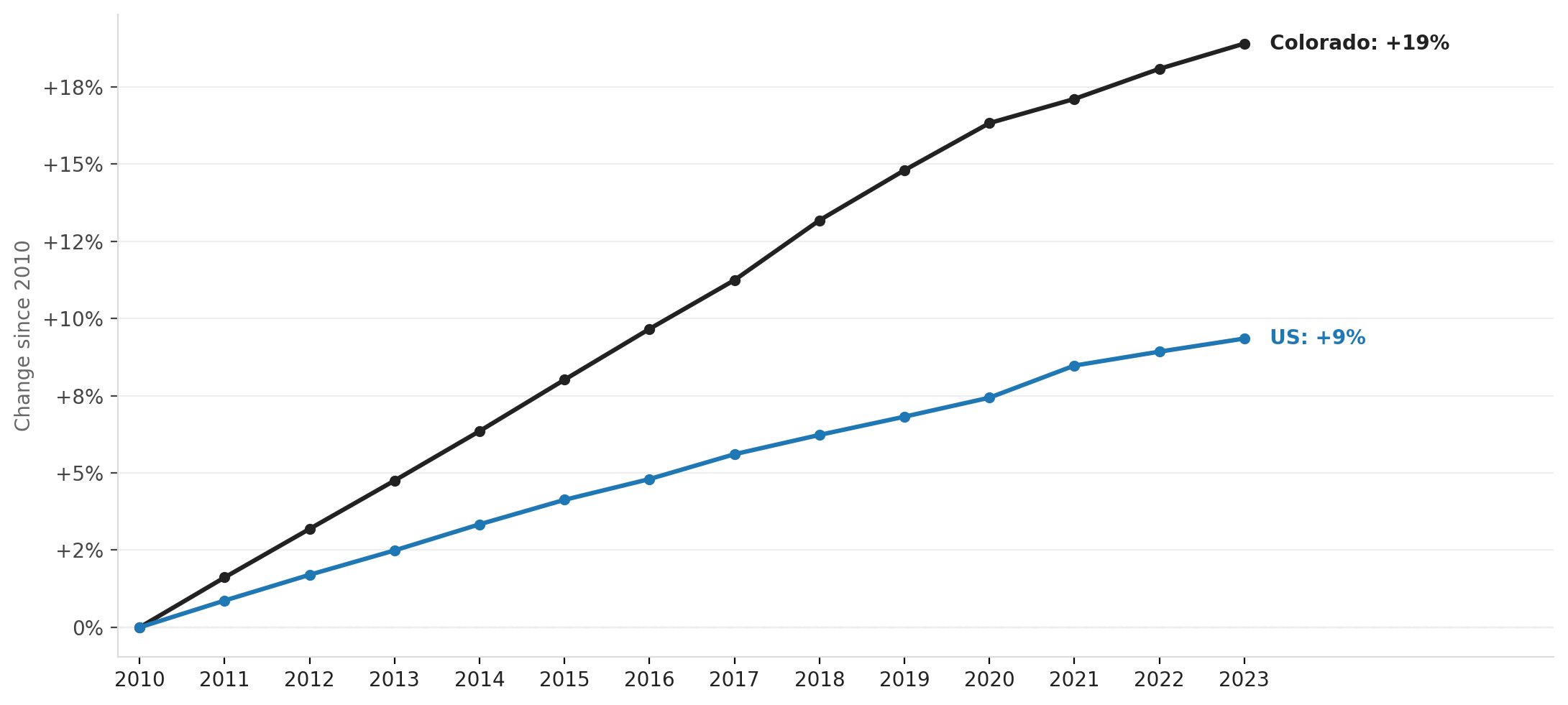
Source: U.S. Census Bureau, American Community Survey.
The timing, a June 2026 solicitation posted through the Rocky Mountain Bid System, suggests the community is targeting construction during Colorado's summer and fall months, when ground conditions favor excavation work. Colorado winters and high-altitude freeze-thaw cycles make off-season pipe work difficult and more expensive.
The American Society of Civil Engineers has long graded U.S. drinking water infrastructure at a C- or below, and the American Water Works Association estimates the country needs more than $1 trillion in water investment just to maintain existing service. The 2021 Bipartisan Infrastructure Law directed roughly $55 billion toward water systems nationally, and Colorado has been channeling a portion of that through its Drinking Water Revolving Fund, giving smaller municipalities and water districts more accessible financing for projects like this one.
The issuing agency isn't identified in the public record, which is a notable gap. The RFP number, 2026-01, suggests a smaller jurisdiction with a modest procurement workload, and the West Loop designation and pipe size point to a community large enough to run a looped distribution system but unlikely to be a major city.
No project budget is listed publicly. Whether this work is funded through state revolving loan programs, local rates, or a combination isn't clear from the available record. A contractor selection and construction timeline have not been announced.