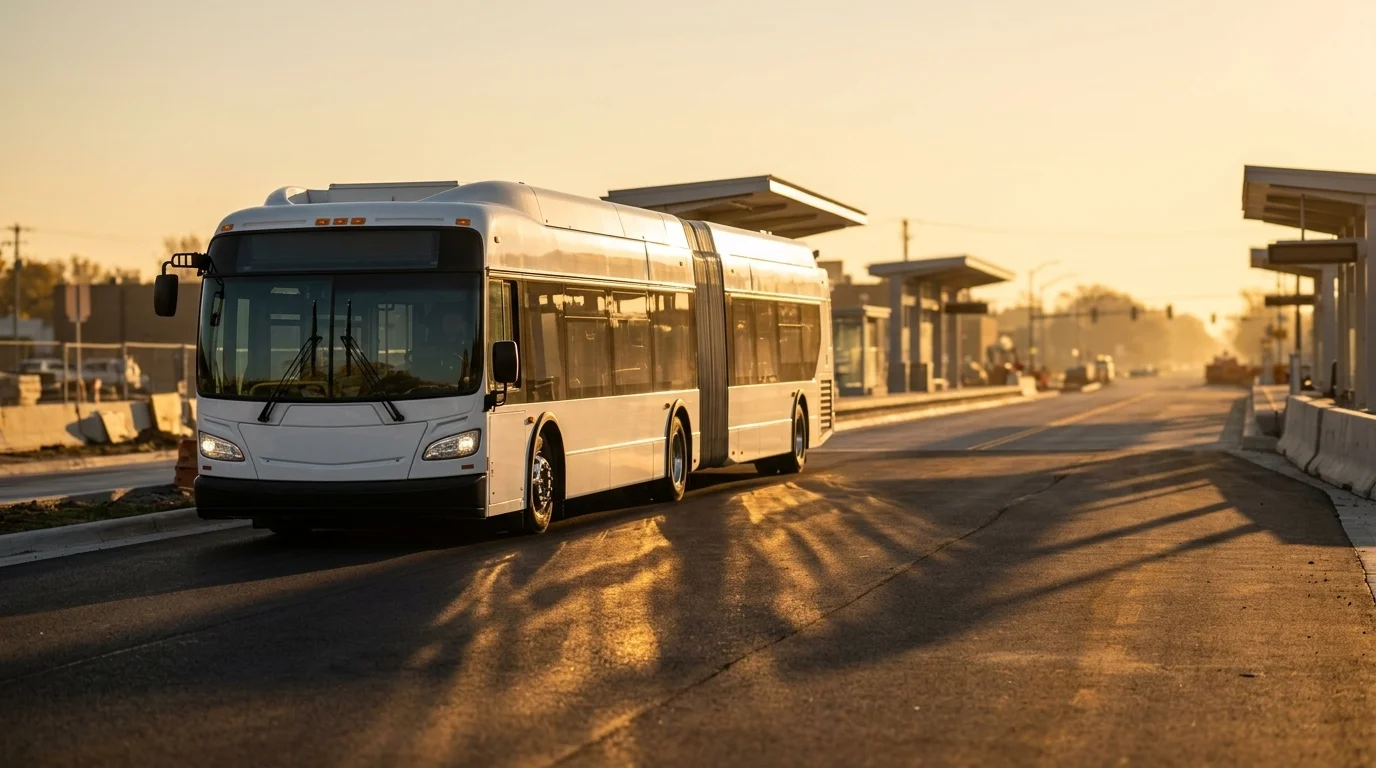
San Antonio, Texas is edging closer to breaking ground on a rapid transit line that voters funded back in 2020, as VIA Metropolitan Transit moves into the property work that immediately precedes construction along the planned Green Line corridor.
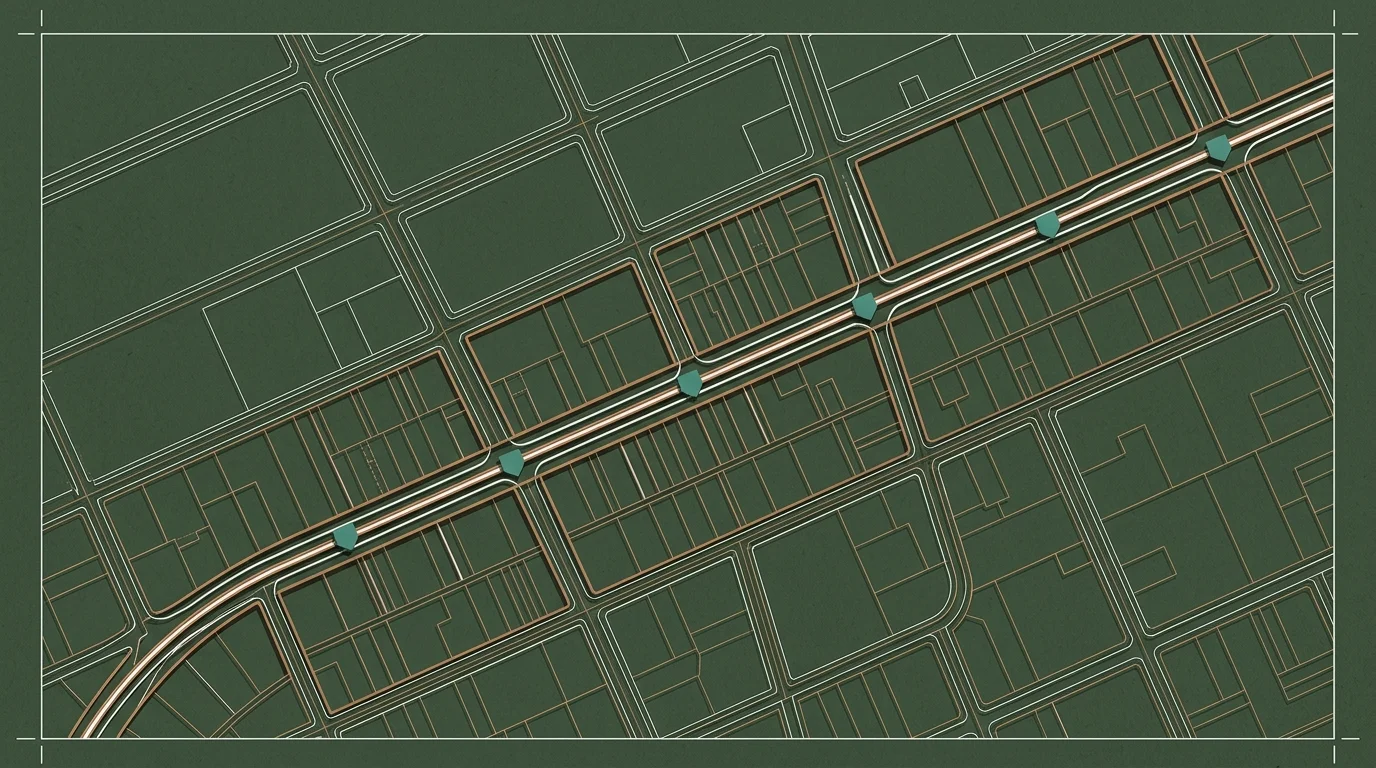
VIA is hiring surveyors and engineers to redraw property boundary lines along Fredericksburg Road, the northwest arterial that would carry the Green Line from downtown to the South Texas Medical Center and UTSA. That process, known as re-platting, happens when a transit project needs slivers of existing parcels for stations, dedicated bus lanes, sidewalks, or utility work. It's unglamorous, but it means VIA has pinned down where the infrastructure will actually go.
The Green Line is part of VIA's Advanced Rapid Transit program, a network of bus rapid transit corridors that San Antonio voters approved through a 1/8-cent sales tax increase under the "Keep SA Moving" initiative. That tax generates roughly $38 to $40 million annually and was carefully sized to avoid the political fate of earlier rail and streetcar proposals that collapsed in 2000 and 2014. San Antonio remains the largest American city without a modern rail or BRT system, a distinction shaped by decades of car-dependent sprawl and failed transit referendums.
Federal money is also part of the equation. VIA has been pursuing a Capital Investment Grant through the Federal Transit Administration's Small Starts program, which funds transit projects up to $400 million. The 2021 Infrastructure Investment and Jobs Act expanded available transit capital nationally, giving projects like the Green Line a better shot at closing their funding gaps.
The stakes are real for the corridor's riders. Fredericksburg Road runs through working-class and mixed-income neighborhoods where many residents rely on public transit. VIA's ridership skews heavily toward essential workers, seniors, and people without cars, in a city where roughly 62 percent of Bexar County residents are Hispanic or Latino and transit-dependent communities have historically seen less investment.
Progress on VIA's ART program has drawn scrutiny. Voters approved the sales tax in 2020, but no BRT lines are yet running, and questions about timelines and costs have followed. The Silver Line, the first ART corridor to advance, has faced community debate over lane reductions and business impacts, as earlier coverage of San Antonio's first rapid transit line moving into property acquisition documented. The Green Line has been somewhat less contentious, though similar questions about traffic and local businesses are likely to follow.
With surveyors now being brought in to formalize property boundaries, the next visible milestones will be land acquisition and, eventually, construction contracts.